The Biology of Memory: Why Your Team Forgets What You Teach Them
You probably remember the feeling of sitting in a university library at 2:00 AM surrounded by open textbooks and empty coffee cups. You were furiously scanning notes and trying to force facts into your brain before a final exam the next morning. You likely walked into that exam room and regurgitated the information. You passed.
But here is the question that should haunt every business owner.
How much of that information could you recall two weeks later?
If you are like most human beings the answer is almost nothing. We treat learning in the corporate world the same way we treated that exam. We host day-long seminars. We force new hires to watch six hours of onboarding videos in a single sitting. We hold intense strategy weekends.
Then we get frustrated when our teams make mistakes on the very topics we covered just a few days prior. The fear creeps in that perhaps we hired the wrong people or that we are failing as leaders to communicate the vision.
But the problem is not your people. It is not your leadership style. The problem is biology.
The Illusion of Competence
When we consume a large amount of information at once it creates a phenomenon known as the illusion of competence. Because the information is fresh in our working memory it feels accessible. We nod our heads. We feel like we understand. It sits right at the front of our minds.
However, the brain is an incredibly efficient biological machine designed to filter out noise. If a piece of information is not used or recalled repeatedly the brain marks it as irrelevant and discards it to save energy. This is often referred to as the Forgetting Curve.
Research suggests that within one hour people forget an average of 50 percent of the information presented to them. Within 24 hours that number jumps to 70 percent.
Think about the implications of that for your business. You invest thousands of dollars and hours of time into training your staff. By the next day nearly three quarters of that investment has biologically evaporated.
The Science of Spaced Repetition
So how do we trick the brain into moving data from fleeting working memory into permanent long-term storage? The answer lies in a cognitive science principle called spaced repetition.
The concept is straightforward but counterintuitive.
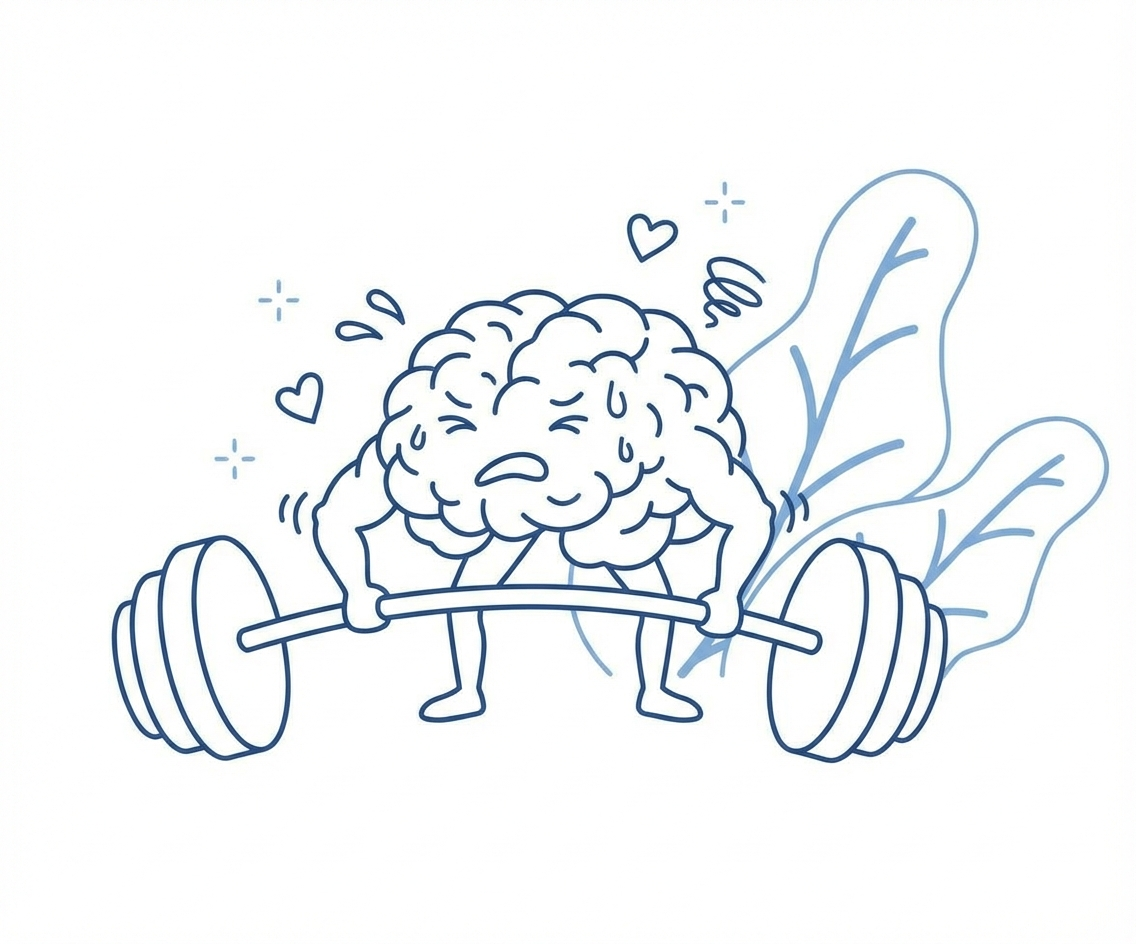
To strengthen a memory you have to wait until you are just about to forget it before you review it again. It is the mental equivalent of a muscle failing at the gym. The struggle to recall the information strengthens the neural pathways associated with that memory. It signals to the brain that this data is vital for survival.
When you review a concept immediately after learning it the brain does no work. But if you wait a day, then three days, then a week, and then a month, the effort required to retrieve that information physically changes the structure of your brain.
This process consolidates memory.
- It moves knowledge from the hippocampus to the neocortex.
- It builds lasting structural changes in neural connections.
- It transforms information into instinct.
For a business owner who wants to build something that lasts this distinction is everything. You do not want a team that has watched a video about your core values. You want a team that has consolidated your core values into their instincts.
The Logistical Nightmare
If the science is so settled why does almost every company still rely on cramming?
The answer is logistics. Implementing spaced repetition manually is nearly impossible. Imagine trying to track the individual forgetting curves of fifty different employees across a hundred different topics.
You would need to know exactly when John in accounting is about to forget the new expense policy so you could quiz him on it. You would need to know that Sarah in sales has retained the product specs but is fading on the pricing model.
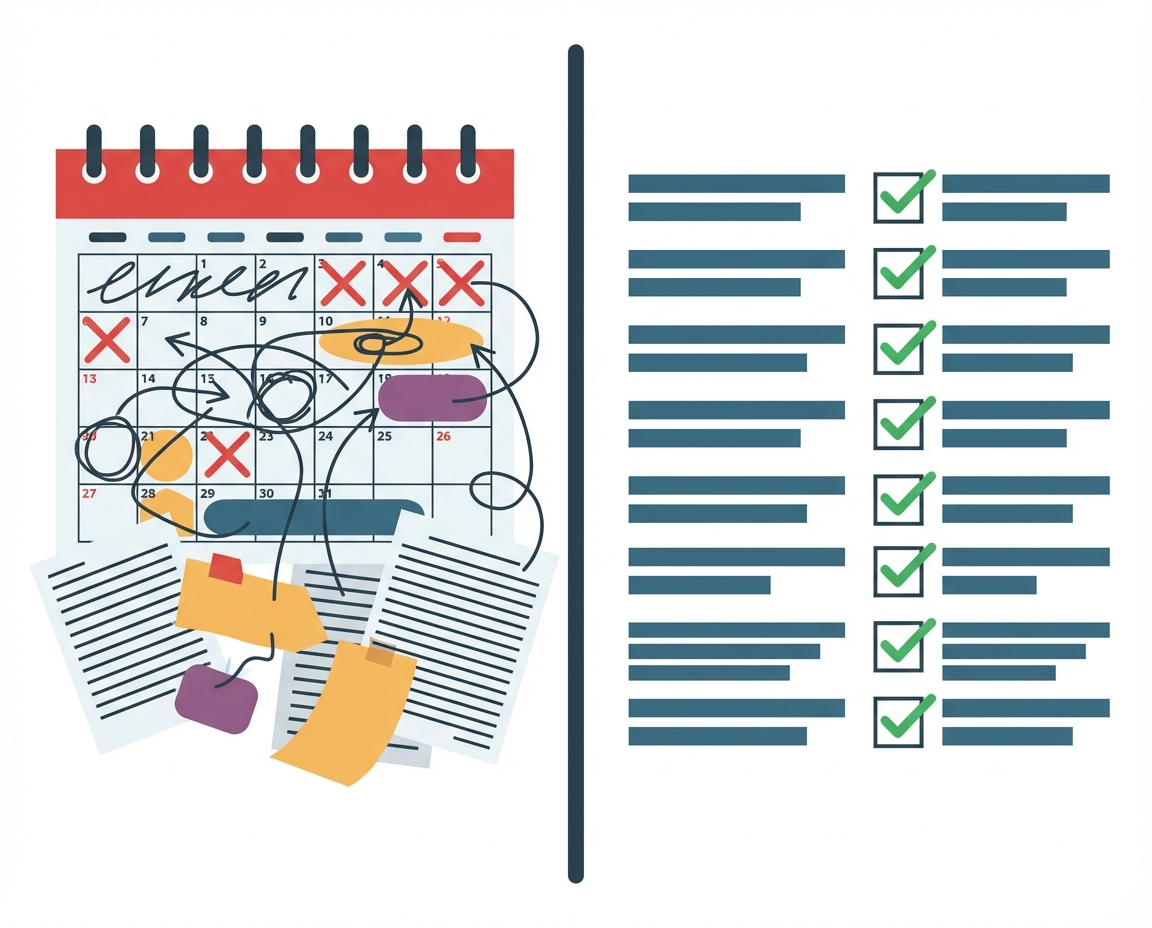
Trying to manage this with spreadsheets or calendar reminders is a recipe for administrative chaos. It is easier to just schedule the seminar, check the box, and hope for the best. But hope is not a strategy for a business that wants to change the world.
How AI Solves the Timing Problem
This is where the recent advancements in artificial intelligence shift from hype to utility. We are not talking about generating generic text. We are talking about algorithmic management of human learning.
AI systems can now handle the heavy lifting of the spacing effect. By monitoring how an employee interacts with information the system can calculate the optimal time to reintroduce a concept.
It works like a drip-feed system for knowledge.
- The employee learns a concept on Monday.
- The system quizzes them on Tuesday.
- If they get it right the system waits four days to ask again.
- If they get it wrong the system asks again the next day.
This creates a personalized learning path for every single person in your organization. It ensures that no one is wasting time reviewing things they already know while simultaneously ensuring that no critical information slips through the cracks.
Building for the Long Term
There is a peace of mind that comes from knowing your team is actually retaining the tools you are giving them. It reduces the anxiety of delegation. It allows you to step back from the daily fires because you know the foundational knowledge of your staff is solid.
We often look for complex solutions to our business struggles. We think we need better strategies or more expensive consultants. But often the gap between where we are and where we want to be is simply a matter of retention.
It is about doing the boring work of reviewing the basics until they become second nature.
When you embrace the science of how the brain actually works you stop fighting against biology. You stop wasting resources on training that vanishes. Instead you start building a cumulative reservoir of knowledge within your company.
That is how you build a culture of excellence. It does not happen overnight. It happens one spaced repetition at a time.