What is a Chief Learning Officer (CLO)?
You are likely wearing ten hats right now. As a business owner or manager, you worry about payroll, product quality, customer satisfaction, and the leaky faucet in the break room. But there is a deeper anxiety that often keeps leaders up at night. It is the fear that the team is stagnant. You worry that while the business is growing, the people inside it are not evolving fast enough to keep up with the market. You want to build something that lasts, but you are not sure how to institutionalize knowledge so that your company is smarter tomorrow than it is today.
This is where the concept of the Chief Learning Officer (CLO) enters the conversation. While you may not be ready to hire a C-suite executive for this specific role, understanding the function of a CLO is critical for any leader who wants to move beyond survival mode and into a phase of thriving, sustainable growth. It helps to view learning not as a perk, but as a core business strategy.
Defining the Chief Learning Officer (CLO)
A Chief Learning Officer is the highest-ranking corporate officer responsible for the learning and development strategy of an organization. In the past, corporate training was often seen as a compliance necessity or a sporadic workshop day. The CLO role elevates this function to the executive table. This individual does not just schedule classes. They align the learning goals of the employees with the financial and strategic goals of the company.
The CLO is responsible for the organization’s knowledge capital. They ensure that the skills within the company remain relevant as technology and markets shift. For a small business owner, wearing the CLO hat means acknowledging that if your team stops learning, your business stops growing. It requires shifting your mindset from managing tasks to managing potential.
The Strategic Scope of the CLO
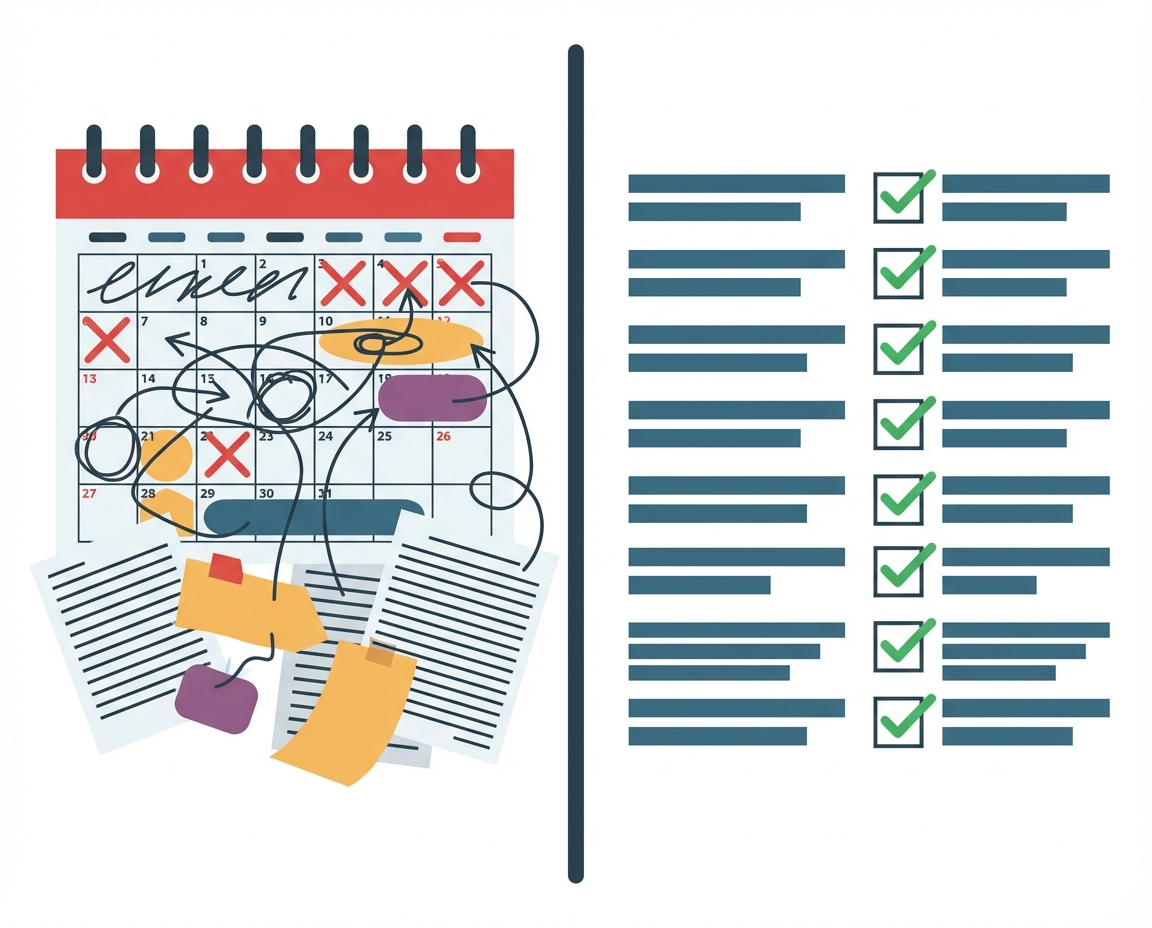
The responsibilities of this function go far beyond handing out training manuals. A CLO looks at the holistic lifecycle of an employee and how they interact with information. The goal is to reduce friction between a problem and the knowledge required to solve it.
Key areas of focus include:
- Talent Development: Creating pathways for employees to upskill so they can take on new challenges without you having to hire externally for every new need.
- Cultural Alignment: Ensuring that learning materials and onboarding processes reinforce the core values and mission you have fought so hard to establish.
- Succession Planning: Identifying future leaders within the team and preparing them to take the reins, which is the only way a founder can eventually step back.
- Technology Integration: Deciding which tools and platforms facilitate knowledge sharing rather than creating digital clutter.
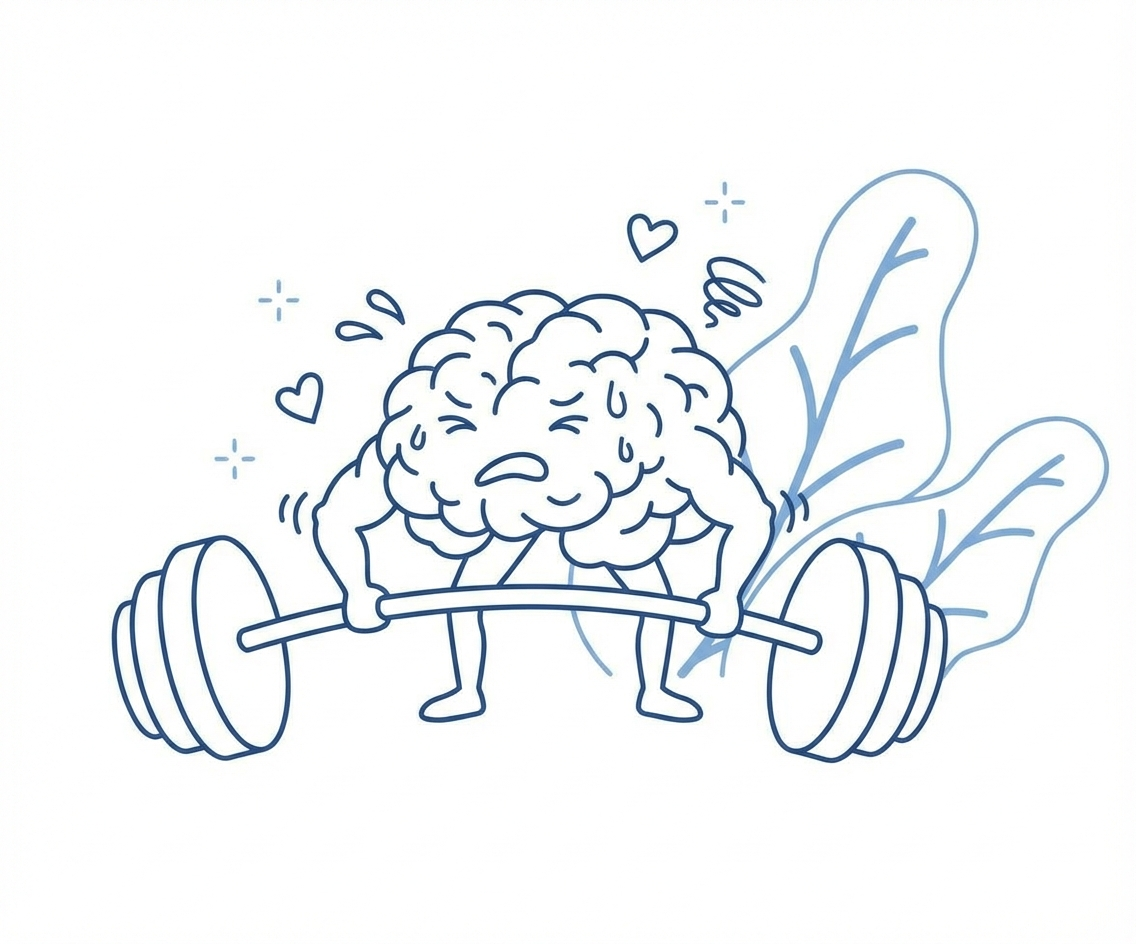
Manage potential, not just tasks.
Comparing the CLO to Human Resources
It is common to conflate the Chief Learning Officer with the Human Resources Director, but the distinctions are important. HR is often focused on the necessary mechanics of employment. This includes compliance, benefits, payroll, conflict resolution, and the hiring process itself. HR protects the organization and manages the employee lifecycle from a contractual and behavioral standpoint.
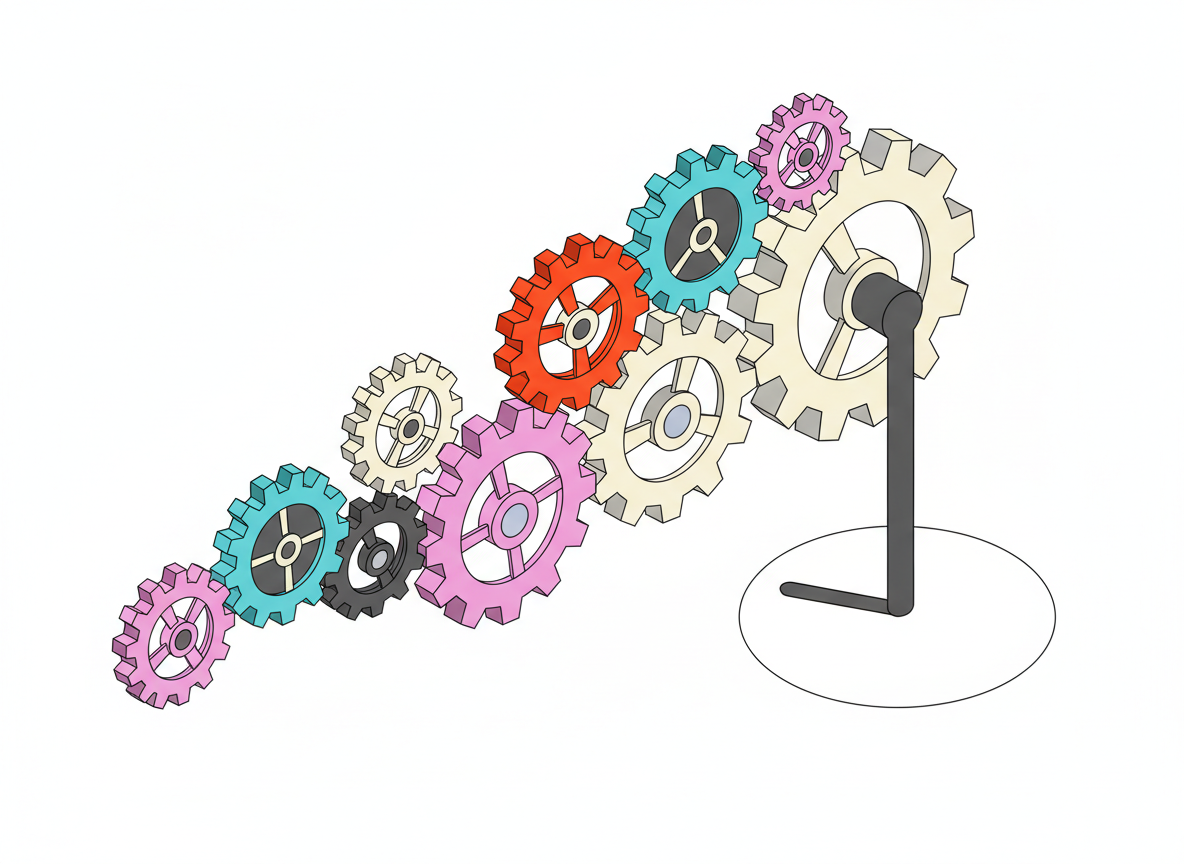
The CLO is focused on output and capacity. If HR ensures the engine is running legally and safely, the CLO focuses on increasing the horsepower. The CLO looks at where the business needs to be in five years and asks if the current team has the cognitive tools to get there. While HR manages people, the CLO manages the capabilities of those people.
Applying the CLO Mindset in Your Business
You might not have the budget for a full-time CLO, and that is okay. The value lies in adopting the perspective. When you look at your team, are you only seeing their current output, or are you seeing their trajectory?
Consider these practical applications:
- Audit your skill gaps: Look at where your business struggles. Is it sales? Technical execution? Leadership? Treat these not as personnel failures but as learning gaps.
- Formalize knowledge sharing: When someone learns something new, is there a mechanism for that information to be shared with the rest of the team? A CLO builds systems so knowledge does not walk out the door when an employee leaves.
- Connect learning to results: Do not train for the sake of training. Tie every learning initiative to a specific business outcome you want to achieve.
Unanswered Questions in Learning Strategy
Even with a dedicated focus on learning, there are complexities we are still trying to understand. The science of adult learning is evolving, and we must remain humble about what we do not know.
We must ask ourselves difficult questions regarding measurement. How do we accurately measure the Return on Investment (ROI) of soft skills training? If we invest time in teaching leadership, how long until we see the impact on the bottom line? There is also the challenge of the half-life of skills. In a rapidly changing world, a skill learned today may be obsolete in three years. How do we balance teaching fundamental wisdom versus tactical tools?
As you build your remarkable business, these are the variables you will navigate. The goal is not to have all the answers but to commit to the process of inquiry and growth for both you and your team.