What is a Competency Model?
Building a business is often terrifyingly ambiguous. You are constantly making decisions with incomplete information, hoping that the next hire or the next promotion will be the one that helps your vision take flight. One of the most significant sources of stress for a founder or manager is the people component. You worry about whether your team has what it takes to get to the next level. You worry that you are not giving them the guidance they need to succeed.
This is where the concept of a Competency Model becomes a vital tool in your management toolkit. It is not a magic wand that fixes personnel issues overnight, but it is a foundational structure that removes the guesswork from defining what success looks like in a specific role. It allows you to move from gut feelings to observable facts.
Defining the Competency Model
A Competency Model is a framework that clearly identifies the specific skills, knowledge, and behavioral attributes required for an individual to perform a specific job role or function effectively. While it sounds technical, it is essentially a map of expectations.
Think of it as the DNA of a role. If you strip away the daily task list, what are the core capabilities a person must possess to handle those tasks? These models usually break down into three distinct categories:
- Technical Skills: The specific abilities needed to do the work, such as coding in Python or reconciling a balance sheet.
- Knowledge: The information a person must understand, such as industry regulations or product specifications.
- Behaviors: The soft skills and attitudes, such as conflict resolution, adaptability, or strategic thinking.
Competency Model vs Job Description
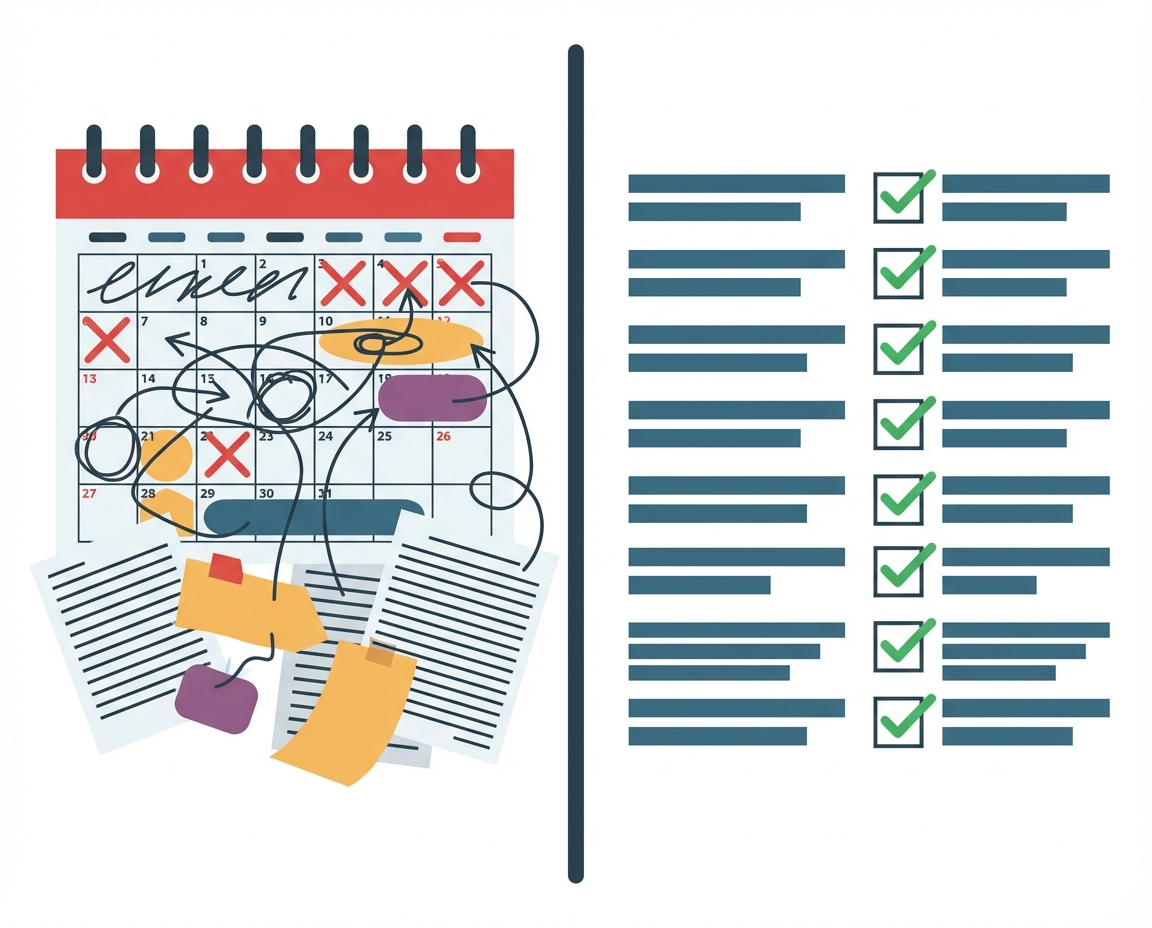
It is common to confuse a Competency Model with a job description, but they serve different functions. A job description tells an employee what they are supposed to do. It lists duties, responsibilities, and reporting lines. A Competency Model tells an employee how they need to be equipped to do those things well.
Consider a Sales Manager role:

- The Job Description lists duties like “conduct weekly team meetings” and “meet quarterly revenue targets.”
- The Competency Model lists requirements like “verbal communication fluency,” “data analysis for forecasting,” and “emotional intelligence in coaching.”
Understanding this distinction helps you diagnose why a hard-working employee might still be struggling. They might understand the job description perfectly but lack the underlying competencies to execute it.
Using the Model in Specific Scenarios
There are three main areas where a business owner can apply this framework to reduce operational friction:
Hiring Instead of asking generic interview questions, you can use the model to design questions that test for specific behaviors. If “resilience” is a competency, you ask for examples of past failures. This moves hiring from a subjective “vibe check” to an objective assessment.
Performance Management Reviews often feel personal or vague. By referencing a Competency Model, feedback becomes structural. You are not critiquing the person; you are identifying a gap between their current skill level and the model required for the role.
Succession Planning If you want to promote a technician to a manager, the Competency Model highlights that the role changes from requiring technical depth to requiring people management skills. This allows you to train them before they get the promotion, setting them up for success rather than failure.
The Unresolved Questions
Adopting a Competency Model brings order, but it also surfaces difficult questions we must wrestle with as leaders. How do we measure abstract competencies like creativity or integrity objectively? Is it possible to have a model that is too rigid, stifling the unique flair that a non-traditional candidate might bring?
We must also ask if our models are biased toward the types of people we have hired in the past rather than the people we need for the future. The goal is not to create a rigid box that no one fits into, but to create a transparent standard that helps everyone understand what is required to build something remarkable together.