What is a Learning Content Management System (LCMS)?
Building a business requires a constant transfer of knowledge. You likely spend a significant amount of time repeating the same instructions, correcting the same mistakes, and wondering why the training manual you wrote last year is already obsolete. As you look for technical solutions to this problem, you will inevitably encounter the acronym LCMS, or Learning Content Management System.
It is easy to confuse this with an LMS, or Learning Management System, but they serve fundamentally different roles in how your organization handles knowledge. While an LMS is about the people taking the courses, an LCMS is about the content itself. It is a software environment focused on creating, storing, assembling, and managing learning content at a granular level.
Defining the Learning Content Management System
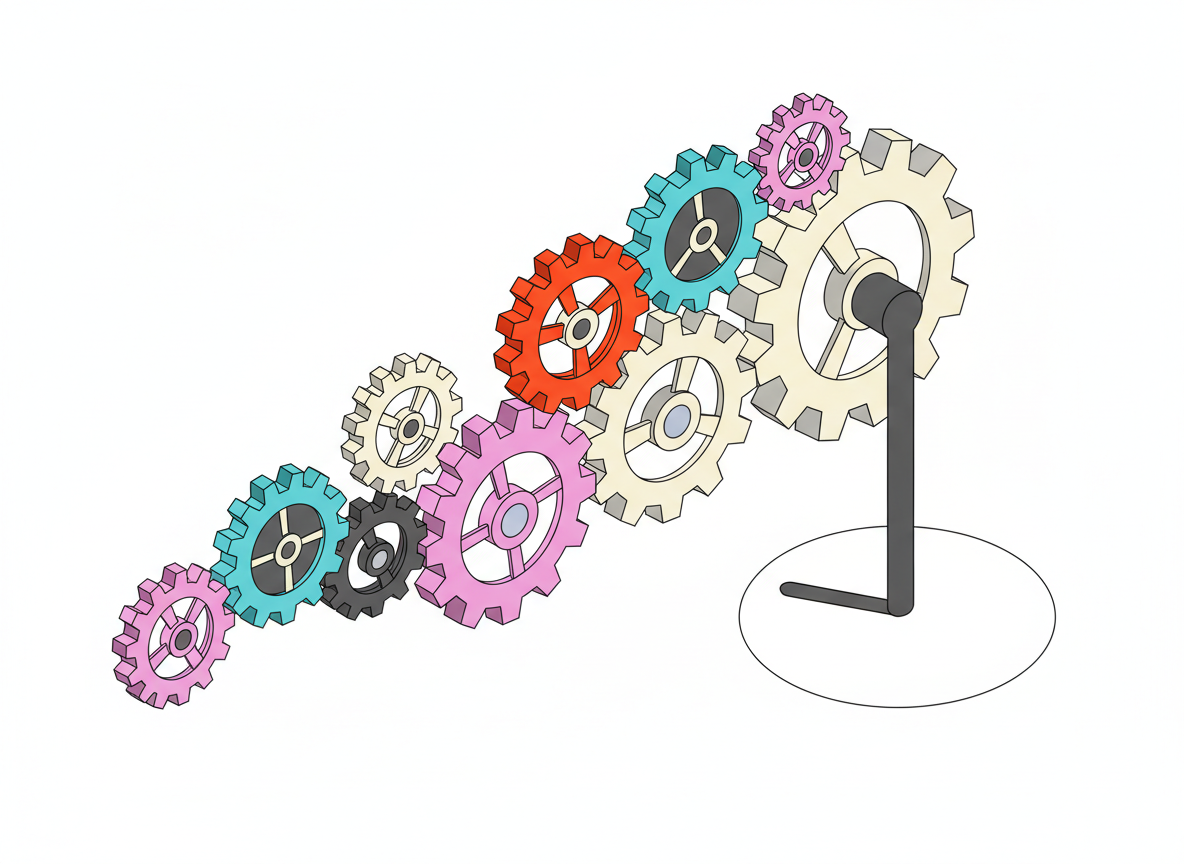
At its core, an LCMS is a repository used by instructional designers and content creators. It moves away from the idea of a monolithic course file and leans into the concept of learning objects. Instead of creating one giant video or a hundred-page PDF that is impossible to edit later, an LCMS breaks information down into small, reusable chunks.
Think of it as a digital library of Lego bricks rather than a collection of pre-built model cars. Because the content is stored as individual objects (text, video, audio, quizzes), you can mix and match these objects to create various courses without rewriting the material.
Key characteristics include:
- Centralized Repository: All assets live in one database.
- Granular Management: Content is managed at the object level rather than the course level.
- Dynamic Publishing: You can publish the same content to multiple formats or outputs.
- Collaboration: Multiple authors can work on different parts of a course simultaneously.
LCMS vs LMS: A Vital Distinction
For a busy manager, the distinction between these two systems determines where you should invest your time and budget. The LMS is the storefront. It is where your employees go to log in, see their assigned training, launch a course, and receive a certificate upon completion. The LMS tracks attendance and scores.
The LCMS is the factory behind the storefront. It is where the raw materials are assembled into the final product. The learner rarely, if ever, sees the inside of an LCMS.
Consider these functional differences:
- The LMS manages learners, schedules, and reporting on completion rates.
- The LCMS manages the lifecycle of the content, version control, and translation workflows.
It is worth asking if your current struggles are regarding getting people to show up for training (an LMS issue) or regarding the inability to update training materials fast enough to keep up with your business changes (an LCMS issue).
When to Implement an LCMS
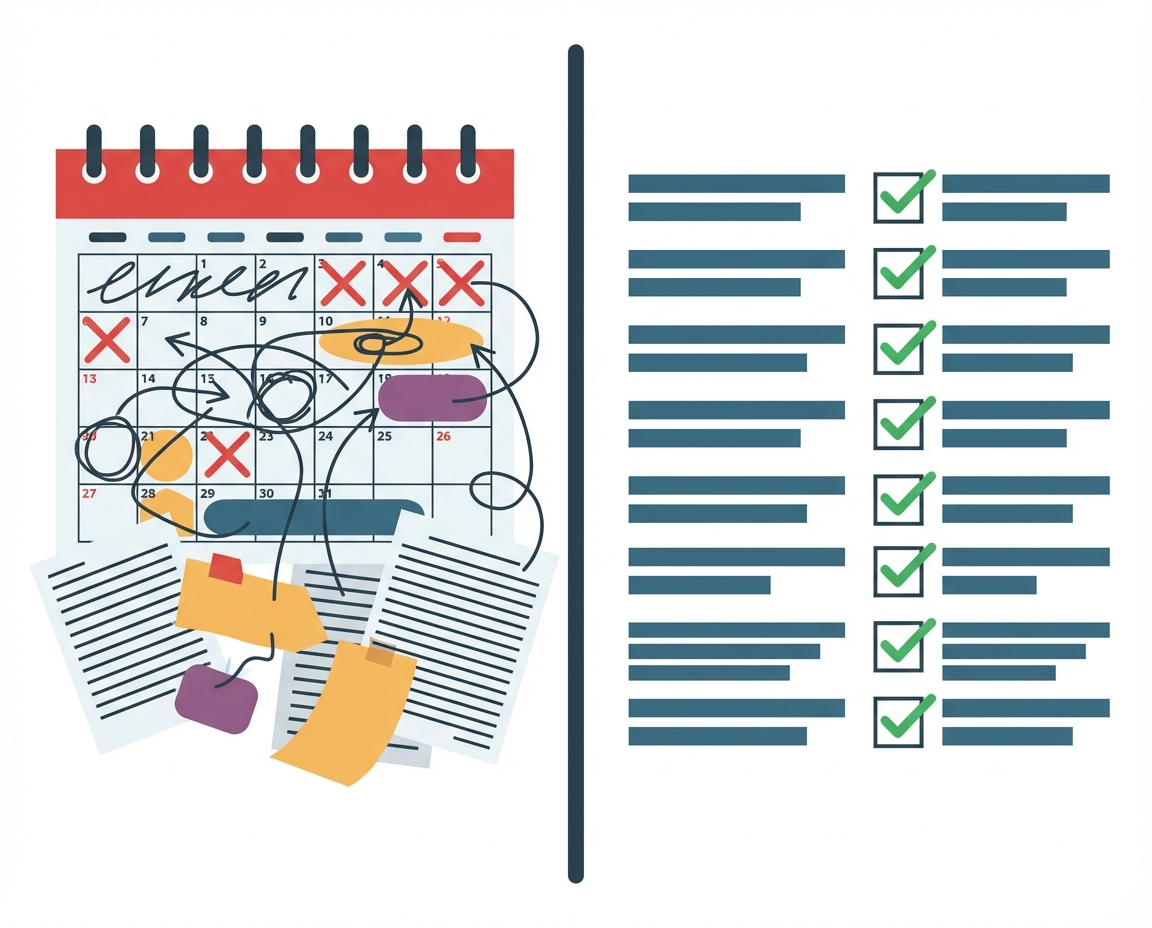
Not every business needs this level of infrastructure. If your training consists of a few static slide decks that rarely change, an LCMS might be over-engineering a simple process. However, as you scale, specific friction points emerge that this software addresses.
You should consider investigating an LCMS if:
- Content Redundancy: You find yourself updating the same company policy in ten different training documents every time it changes.
- Rapid Iteration: Your product or service changes weekly, and your training is consistently outdated.
- Personalized Learning: You need to deliver slightly different versions of the same course to different roles, such as sales versus support, without maintaining two entirely separate courses.
- Localization: You are expanding into new markets and need to manage translations of specific content pieces without duplicating the entire course structure.
The Impact on Managerial Efficiency
The goal of any system should be to reduce the cognitive load on the team and the leadership. The philosophical shift an LCMS offers is the move toward single-source publishing. By keeping a master version of a learning object, you ensure consistency across the organization.
This reduces the anxiety managers often feel about whether their team is referencing the correct version of a procedure. It removes the guesswork. However, it also introduces a need for discipline. An LCMS requires a structured approach to how you categorize and tag information. It forces you to think about the architecture of your business knowledge.
As you evaluate your next steps, look at your content creation workflow. Is it sustainable? If you doubled your staff tomorrow, would your current method of updating training break under the pressure? These systems exist to handle complexity, allowing you to focus on the vision of your business rather than the file management of your training.