What is a Learning Record Store (LRS)?
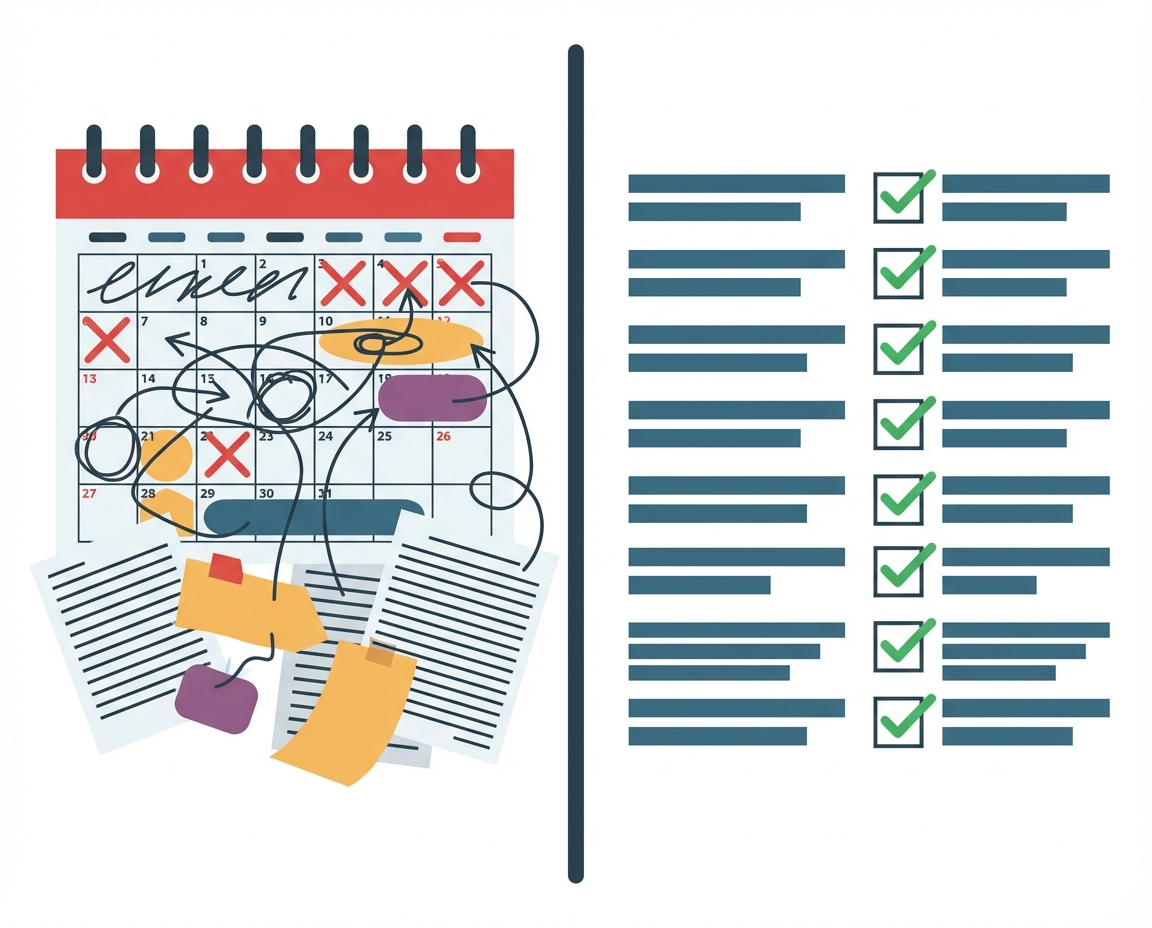
You are likely familiar with the feeling of knowing your team is growing, but lacking the concrete evidence to prove it. As a manager building a business, you see your staff reading industry articles, attending conferences, and mentoring one another. These are vital learning moments that contribute to the success of your venture. However, traditional systems often fail to capture these informal interactions. They leave you with an incomplete picture of the actual skills and knowledge residing within your organization.
This data gap can be a source of significant stress. You are trying to make decisions about promotions, hiring, and resource allocation based on fragmented information. You might fear you are overlooking high performers simply because their growth happens outside a formal classroom. This is where the concept of a Learning Record Store becomes relevant to your strategy.
Defining the Learning Record Store (LRS)
At its core, a Learning Record Store is a specialized database designed to store data about learning experiences. Unlike a standard spreadsheet or a general employee file, an LRS is built to communicate with other systems. It serves as a central repository for learning records collected from various connected technologies.
The LRS typically relies on a standard known as the Experience API, or xAPI. This standard allows the LRS to record data in a specific format: Actor, Verb, Object. For example, “Jane Smith (Actor) completed (Verb) the safety simulation (Object).”
This structure allows the system to capture a wide variety of activities:
- Mobile learning applications
- Simulations and games
- Real-world performance observations
- Social learning interactions
Distinguishing the LRS from the LMS
A common point of confusion arises when comparing an LRS to a Learning Management System (LMS). Most businesses already utilize an LMS to deliver formal training courses and track compliance. It is helpful to view them as distinct tools with different primary functions.
The LRS is strictly a data store. It does not usually deliver content or host courses. Instead, it listens to the LMS and other systems, recording the activity that occurs within them. While an LMS focuses on the administration of learning, the LRS focuses on the data generated by the learning process itself. In many modern technical architectures, the two work in tandem.
When to Utilize an LRS
Integrating an LRS into your technical ecosystem is usually a decision driven by the need for deeper visibility. If your business relies solely on formal courses to train staff, an LMS may suffice. However, if you are trying to build a culture of continuous improvement, the LRS offers distinct advantages.
Consider these scenarios where an LRS provides necessary insight:
- Offline Learning: Your team operates in the field where internet access is spotty. An LRS can sync data once connectivity is restored, ensuring field work is counted.
- Blended Learning: You want to correlate a webinar attendance with subsequent performance in a software tool. The LRS aggregates data from the webinar platform and the software logs.
- Detailed Analytics: You need to know not just that a user passed a test, but how they interacted with the content. Did they skip the video? Did they retry the quiz five times?
The Complexity of Data and Ethics
Adopting an LRS introduces new variables that you must navigate as a leader. With the ability to track granular data comes the responsibility of filtering signal from noise. Just because you can track every mouse click does not mean that data yields actionable business intelligence.
There are open questions you should ask yourself and your technical vendors:
- What specific behaviors actually correlate with business success?
- How much data retention is necessary before it becomes a liability?
- Where is the ethical line between supporting employee growth and surveillance?
These are not technical hurdles but managerial ones. The LRS provides the capability, but your judgment determines its utility. By centralizing this data, you move away from gut feelings and toward an evidence-based approach to management, allowing you to support your team with clarity and confidence.