What is a Skills Gap Analysis?
Running a business often feels like navigating a ship through fog. You know roughly where you want to go, and you know you have a crew, but you are constantly worried that you are missing something vital. You might look at your team and feel a sense of unease. They are working hard, and you care about them deeply, but the results just aren’t matching your vision. You might ask yourself if you have the right people in the right seats, or if you have failed to give them the tools they need to succeed.
This uncertainty is a major source of stress for managers and owners. It keeps you up at night wondering if you are prepared for the next stage of growth. This is where a Skills Gap Analysis comes into play. It removes the guesswork and the emotional weight of wondering if your team is capable. It is a systematic process that identifies the difference between the skills your organization needs to meet its goals and the current skills your workforce actually possesses.
The Function of a Skills Gap Analysis
At its core, a Skills Gap Analysis is a diagnostic tool. It is not a performance review designed to critique individuals, and it is certainly not a tool for finding reasons to let people go. Instead, it is a method for visualizing the bridge between where you are now and where you need to be.
When you approach this process scientifically, you move away from gut feelings. You stop assuming that your marketing lead knows how to handle the new analytics software, or that your operations manager is ready to handle a team twice the size. You start dealing in facts. This clarity allows you to support your team better because you can finally see exactly what they are missing.
Key benefits include:
- Identifying specific training needs rather than applying generic development programs.
- Clarifying which roles need to be hired externally versus which can be filled internally.
- Helping employees understand their own career paths and what is required to advance.
Steps to Perform a Skills Gap Analysis
Conducting this analysis requires you to step back from the daily grind and look at the bigger picture. You cannot measure a gap if you do not know the destination.
First, define the business goals. If you plan to expand into a new market or adopt a new technology stack next year, those goals dictate the skills required. List every competency needed to achieve those specific outcomes.
Second, assess the current state. This involves an audit of your current team. You can do this through:
- Surveys and self-assessments where employees rate their own proficiency.
- Manager observations and past performance data.
- Technical assessments or coding tests if applicable.
Third, compare the two lists. The difference between the required list and the current list is your gap. It is important here to ask questions we often avoid. Are we holding onto legacy skills that no longer serve us? Are we expecting one person to possess a skill set that should actually be split between two roles?
Comparing Training versus Hiring
Once the gap is identified, you face a critical decision. Do you build the skills internally, or do you buy them by hiring new talent? A Skills Gap Analysis provides the data necessary to make this choice without the emotional turmoil often associated with hiring.
If the gap is small or related to company-specific processes, training is usually the logical path. It builds loyalty and shows your team you are invested in their future. However, if the gap represents a fundamental shift in your business model or requires highly specialized technical knowledge that takes years to acquire, training might be too slow.
In this context, the analysis acts as a feasibility study. It prevents you from setting your current team up for failure by asking them to learn the impossible overnight, and it prevents you from over-hiring when a simple workshop could have solved the problem.
Scenarios Requiring Skills Gap Analysis
There are specific times in a business lifecycle when this tool becomes essential for maintaining your sanity and the health of the company.
Consider these scenarios:
- Strategic Pivots: When you decide to change your product offering or service model, the skills that got you here will likely not be the skills that get you there.
- New Technology Implementation: rolling out a new ERP or CRM system often reveals immediate gaps in digital literacy across the staff.
- Succession Planning: If a key leader were to leave tomorrow, do you know exactly what skills would leave with them, and who could step up?
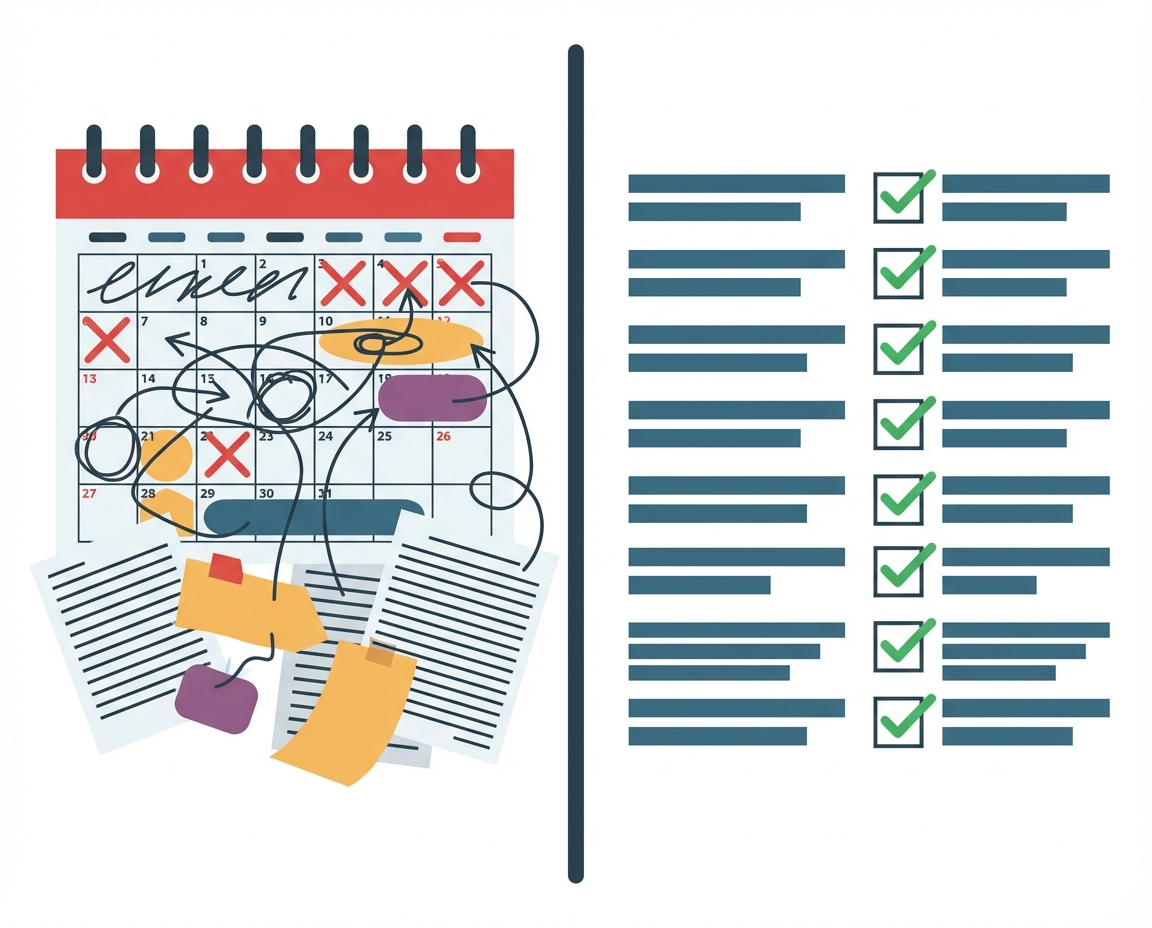
By regularly engaging in this process, you protect yourself from being blindsided. You transform the fear of the unknown into a checklist of actionable items. It allows you to say, “We are not ready yet, but I know exactly what we need to do to get there.”