What is an Adaptive Assessment?
One of the most persistent frustrations for any manager or business owner is understanding the true capability of a team. You hire bright people and trust their resumes, yet when a critical project lands, you might discover gaps in skills that you assumed were covered. Conversely, you might be forcing senior staff to sit through training modules that cover things they learned a decade ago. This is where the concept of an Adaptive Assessment enters the picture.
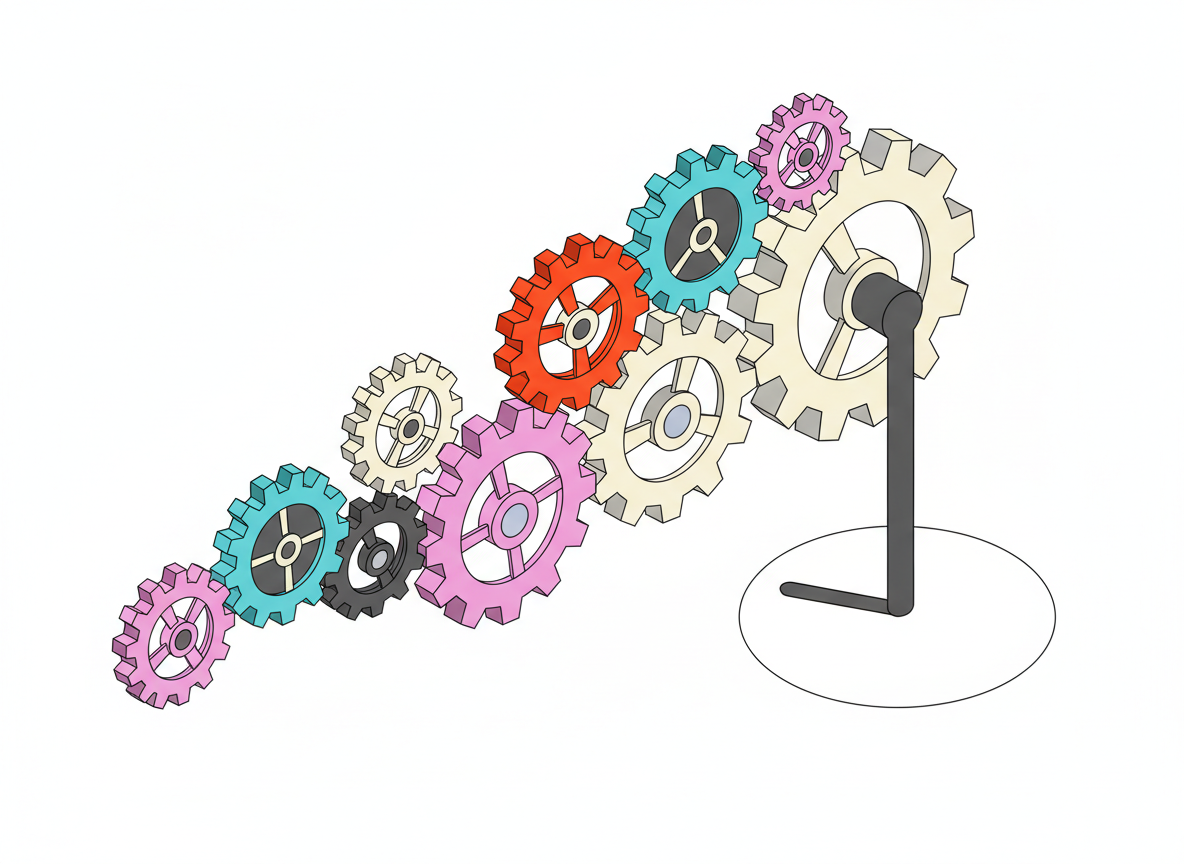
An Adaptive Assessment is a form of testing, usually computer-based, that modifies the difficulty of questions in real time based on how the test-taker answers. Unlike a standard linear test where everyone answers the same thirty questions in the same order, an adaptive test listens to the user. If an employee answers a question correctly, the next question becomes harder. If they answer incorrectly, the next question becomes easier. The goal is not to see how many questions someone can get right, but to quickly identify their specific level of competence.
How It Functions in Practice
The mechanism behind this is often referred to as Computerized Adaptive Testing or CAT. While the underlying mathematics can be complex, involving probability theory and statistics, the practical application for a business owner is straightforward. The system is trying to find the ceiling of a person’s ability in the shortest amount of time possible.
Consider the experience for the user:
- The test begins with a question of average difficulty.
- A correct answer signals the system that the user likely has a higher proficiency, triggering a more advanced question.
- An incorrect answer suggests the current level is too high, so the system recalibrates to a lower difficulty to pinpoint where the knowledge gap actually begins.
- The test concludes once the algorithm has enough data to determine the skill level with a high degree of confidence, rather than waiting for a fixed number of questions to be answered.
Comparing Linear vs. Adaptive Testing
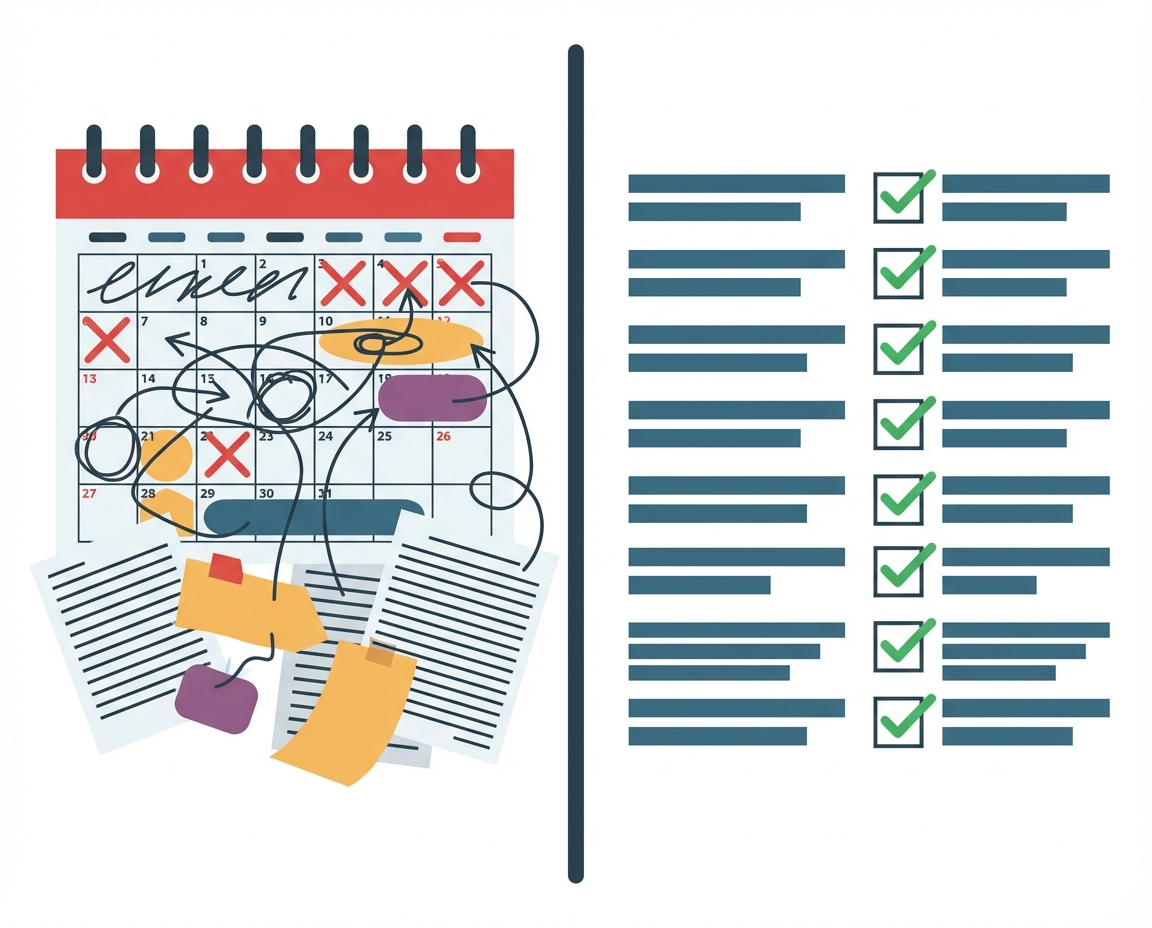
To make the best decision for your organization, it is helpful to weigh this against the traditional linear testing models most of us grew up with in school. In a linear test, the content is fixed. This works well for standardized compliance where every employee must prove they know a specific set of safety regulations. However, it fails when measuring variable skills like coding, writing, or complex problem solving.
Linear tests often suffer from measurement inefficiency. High performers spend too much time answering questions that are beneath them, leading to boredom and disengagement. Low performers are often presented with a string of questions they cannot answer, leading to frustration and test anxiety rather than an accurate map of what they actually do know.
Adaptive assessments solve for efficiency. They cut out the noise. They respect the time of your busy staff by stripping away irrelevant questions. A senior leader might finish an assessment in five minutes because they quickly proved their expertise, whereas a standard test would have held them hostage for an hour.
When to Deploy This Strategy
There are specific scenarios where moving to an adaptive model makes the most sense for a growing business. You want to look for high-stakes or high-variability situations.
- Recruitment: When hiring for technical roles, you need to filter candidates quickly. An adaptive test can differentiate between a junior and a senior applicant much faster than a standard quiz.
- Personalized Learning: If you are building a learning culture, you want to assign training that matters. Adaptive assessments can pinpoint exactly where a skill gap exists, allowing you to assign specific modules rather than broad, generic courses.
- Certification: When you need to certify that someone has mastered a complex subject, adaptive testing ensures that they have not simply memorized answers but can handle increasing complexity.
The Unknowns and Considerations
While the efficiency of adaptive assessment is clear, there are questions we must ask as leaders about the human element. We rely on data to make decisions, but we must wonder if the pressure of a test that gets harder with every success impacts the psychological state of the employee. Does it cause unnecessary stress for a team member who feels they are being punished for doing well?
Furthermore, implementing these systems requires a robust bank of questions. A business owner must ask if they have the resources to create or purchase a question bank large enough to support an adaptive algorithm. The technology is powerful, but it demands a solid foundation of content to work effectively. As you navigate the complexities of managing a team, considering the return on investment for setting up these systems is a valid and necessary step.