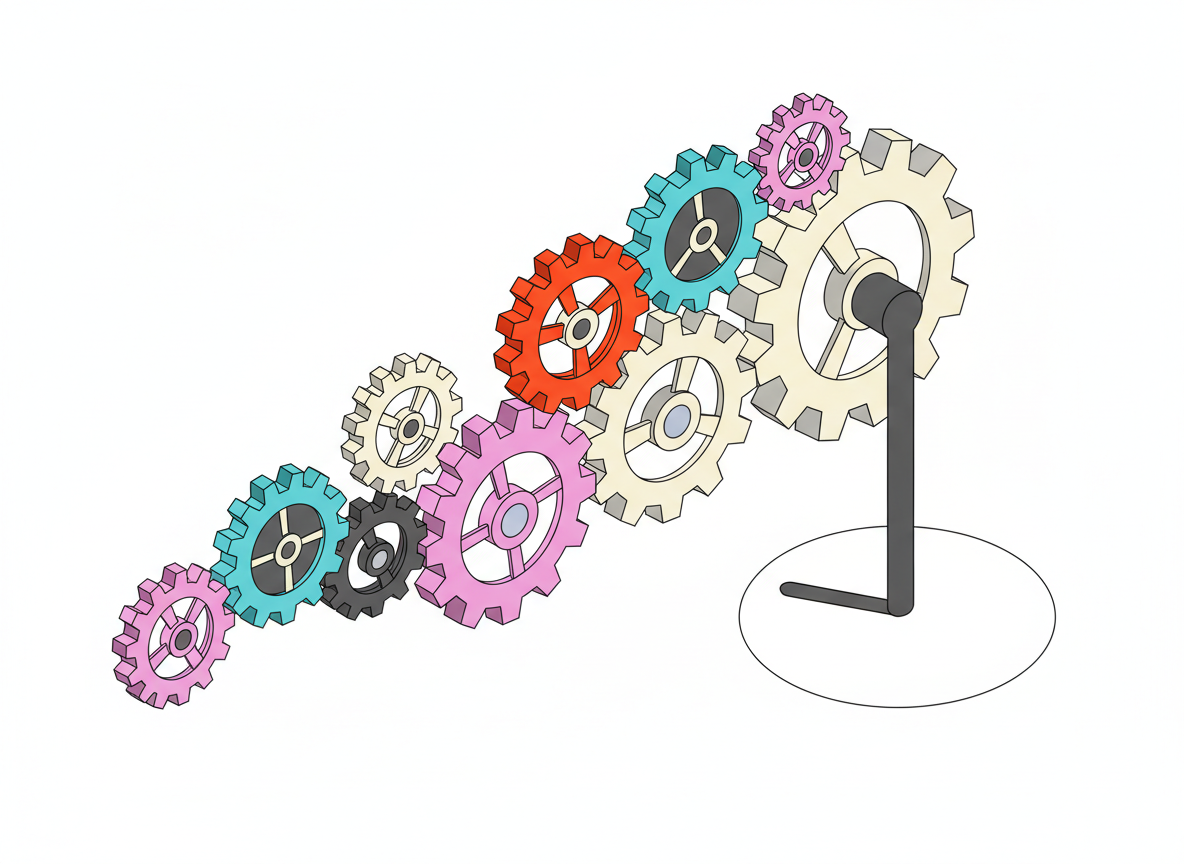
What is an Enterprise Social Network (ESN)?
You are building something remarkable. You have moved past the initial startup phase where everyone sat at the same table, and now you are navigating the complexities of a growing organization. One of the most persistent anxieties for a manager in this position is the silence. Not the physical quiet of an office, but the nagging fear that communication is breaking down, silos are forming, and the vision you care so deeply about is getting lost in translation.
As you scale, maintaining a cohesive culture becomes a logistical challenge. You might feel the need to be in every email thread to ensure alignment, which only leads to burnout and bottlenecks. This is where the concept of an Enterprise Social Network, or ESN, enters the conversation. It is not just another piece of software to pay for. It is a potential architectural solution to the human problem of connection in a business environment.
Defining the Enterprise Social Network
An Enterprise Social Network is an internal, private social media platform designed specifically for communication and collaboration within an organization. While the user interface often mimics popular public networks—featuring news feeds, profiles, likes, and commenting capabilities—the utility is strictly professional and contained behind your company firewall.
Unlike the open internet where the goal is distraction or entertainment, the goal of an ESN is connection and knowledge management. It serves as a digital town square. It is a space where a junior developer can read a strategic update from the CEO and ask a question directly, or where a sales manager can publicly celebrate a win that the product team needs to hear.
Key features usually include:
- Activity streams that aggregate updates from across the company
- Groups or communities based on departments or interests
- File sharing and document collaboration features
- Searchable history of conversations and decisions
ESN vs. Instant Messaging Tools
A common point of confusion for many business owners is distinguishing an ESN from instant messaging platforms. If you already use chat tools, you might wonder why you need another layer of communication. The distinction lies in the cadence and the lifespan of the information.
Instant messaging is synchronous and immediate. It is excellent for quick questions, urgent updates, and logistical coordination. However, it is also ephemeral. Decisions made in a fast-moving chat window are easily scrolled past and forgotten. It creates a sense of urgency that can actually increase stress.
An ESN is asynchronous and enduring. It is designed for:
- Long-form content and announcements
Culture happens in the open. - Discussions that require thought and time to answer
- Cultural touchpoints that should remain visible for days or weeks
- Knowledge sharing that needs to be searchable months later
Think of instant messaging as a tap on the shoulder, while an ESN is a bulletin board or a town hall meeting.
When to implement an Enterprise Social Network
Implementing an ESN is not a requirement for every business. If you have a team of five people sitting in one room, it is likely overkill. However, as complexity grows, the need for a centralized cultural hub increases. There are specific scenarios where an ESN provides significant relief to a stressed management team.
Consider these situations:
- Remote or Hybrid Workforce: When you cannot rely on hallway conversations, an ESN provides a digital venue for serendipitous interactions and cultural bonding.
- Cross-Departmental Projects: When teams that do not usually talk need to collaborate, an ESN group breaks down the walls that naturally form between sales, engineering, and support.
- Leadership Visibility: If you feel like a distant figurehead, an ESN allows you to share your thoughts, fears, and vision in a way that humanizes leadership without requiring a formal all-hands meeting.
The challenge of adoption and unknown variables
While the benefits are clear, the path to a successful ESN is not guaranteed. Introducing a new tool requires behavioral change, which is always difficult. There are questions you must ask yourself before proceeding.
Does your current culture support open transparency? An ESN flattens hierarchy. If your management style relies on strict chains of command, an open network might cause friction. Are you willing to model the behavior? If leadership does not use the platform, the staff will view it as a ghost town.
There is also the risk of noise. Just as with public social media, there is a possibility of distraction. The challenge for you as a leader is to establish governance and norms that encourage value over volume. You want to build a library of context, not a repository of cat memes.
Reducing the management burden
Ultimately, the goal of an ESN is to help you de-stress. It does this by democratizing information. When answers are public and searchable, you stop answering the same question ten times. When culture is built peer-to-peer in an open forum, you stop carrying the entire weight of team morale on your shoulders.
It allows you to step back and watch your organization function as a living, breathing community. It gives you the assurance that even when you are not in the room, the conversation is continuing, the knowledge is being shared, and the business is building a memory that lasts.