What is an IDP (Individual Development Plan)?
You spend a massive amount of energy worrying about your business. You worry about product fit and cash flow and marketing. But there is a specific anxiety that keeps many leaders up at night which centers on the people. You know you have talented individuals on your team. You see their potential. Yet you also fear that you might be holding them back or that they might leave because they do not see a future with you.
This is a valid fear. In the rush of daily operations it is easy to treat employees as static resources rather than dynamic people who need to evolve. When growth is left to chance it rarely happens. This is where the Individual Development Plan or IDP comes into play. It is not just a piece of HR paperwork. It is a structured approach to bridging the gap between where your employee is today and where they want to be tomorrow.
Understanding the IDP structure
An IDP is a document that details an employee’s intentions and learning outcomes as well as the support necessary to meet their tangible growth goals. It is a partnership agreement between you and your team member.
The document usually covers three specific timeline horizons:
- Immediate needs regarding current role proficiency
- Short term goals for the next year
- Long term career aspirations spanning several years
The most critical part of this definition is the word support. An IDP without a commitment of resources from the manager is just a wish list. This document forces you to ask what you are willing to invest in terms of time, budget, or mentorship to help this person succeed.
Components of a functional IDP
To make an IDP useful it needs to be specific. Vague goals like getting better at communication are difficult to measure and difficult to support. A functional plan breaks down aspirations into actionable steps.
Key elements usually include:
- Professional Goals: Specific skills or roles the employee targets.

Invest in the people you lead. - Action Steps: Readings, courses, stretch assignments, or mentoring sessions.
- Resources Required: What the business must provide to make the action possible.
- Dates and Milestones: Clear checkpoints to review progress.
This structure moves the conversation from abstract feelings about a career to concrete logistics.
Differentiating the IDP from a PIP
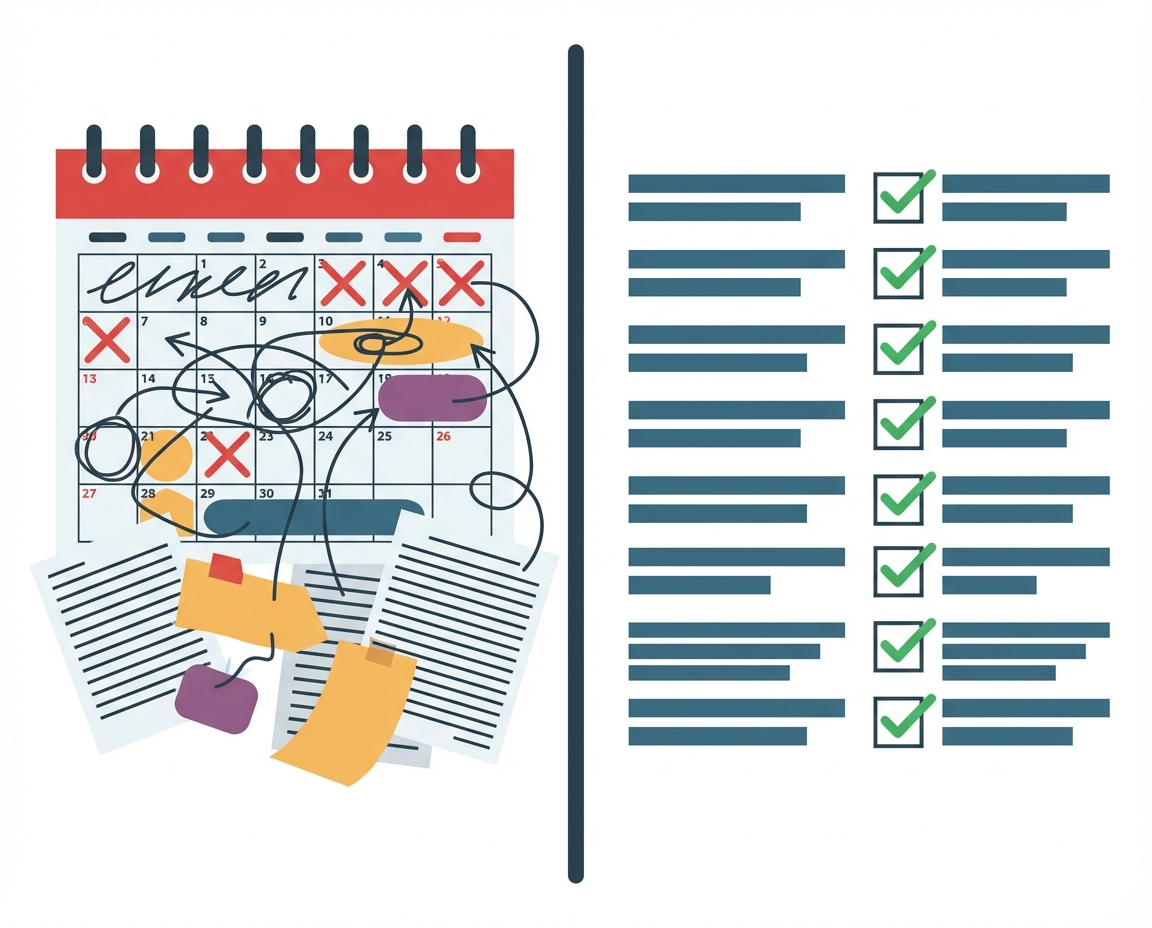
There is often confusion between an IDP and a Performance Improvement Plan or PIP. It is vital to understand the difference to avoid damaging trust. A PIP is corrective. It is used when an employee is failing to meet the basic requirements of their job. It is often the last step before termination.
An IDP is developmental. It is for employees who are doing well and want to do better. It focuses on the future and growth rather than correcting past failures. If you present an IDP to an employee but treat it like a disciplinary tool you will create fear rather than engagement.
The strategic value of the IDP
For a business owner the IDP serves a dual purpose. It obviously helps the employee gain skills that make them more valuable to the company. However it also serves as a retention tool. High performers stay where they feel they are growing.
By formalizing development you signal that you care about their long term trajectory. This reduces the uncertainty that drives good people to look for jobs elsewhere. It provides a roadmap that shows them they can achieve their ambitions within your organization.
Unknowns and managerial challenges
While the concept is straightforward the execution introduces complex questions that you must navigate. There are variables we cannot fully predict.
- How do you balance an employee’s personal goals with the immediate needs of the business if they do not align?
- What happens if an employee achieves their learning outcomes and outgrows your organization?
- How much time can you realistically dedicate to development without impacting operational velocity?
These are not reasons to avoid the IDP. They are realities to manage. It requires honest dialogue to find the intersection between what the person needs and what the company needs. It invites you to be a mentor rather than just a boss.