What is Anxiety Contagion?
You know the feeling. You walk into a meeting feeling relatively calm, but within minutes of sitting down with a stressed colleague, your heart rate climbs and your chest tightens. You have caught their mood. In a leadership role, this dynamic is amplified significantly. This is known as anxiety contagion.
It is not just a metaphor or a vibe. It is a biological event. As a business owner or manager, you carry the heavy weight of payroll, strategy, and survival. It is natural to feel fear and uncertainty. However, because you are the focal point of your team, your internal state acts as a thermostat for the entire room. When you are operating from a place of high anxiety, you are inadvertently signaling to your team that there is a threat in the environment.
This happens below the level of conscious thought. You might think you are masking your stress perfectly with a smile and a calm agenda, but human biology is designed to detect threats. Your team picks up on micro-expressions, tone variance, and body language cues that you may not even know you are projecting.
The Biology of Mirror Neurons
To understand why this happens, we have to look at the brain. Humans possess what are called mirror neurons. These are brain cells that react both when we perform an action and when we observe someone else performing that same action. They are the neurological basis for empathy and learning.
When a leader exhibits signs of anxiety, the mirror neurons in their employees fire in sympathy. The team members biologically replicate the stress response of the leader. This served a vital evolutionary purpose. If the leader of the tribe saw a predator, the rest of the group needed to feel that same surge of cortisol immediately to prepare for fight or flight.
In a modern office or remote work environment, there are rarely physical predators. Yet, the biological machinery remains the same. When you are anxious about quarterly figures or a delayed product launch, your team’s physiology mimics your state. Their cortisol levels rise. Their blood pressure increases. They enter a state of physiological arousal designed for survival, not for complex cognitive work.
Anxiety Contagion vs. Shared Stress
It is helpful to distinguish between anxiety contagion and shared stress. Shared stress occurs when the whole team faces an external challenge together. A looming deadline or a difficult client is a known quantity. The team can rally around the problem, using the stress as fuel to solve it.
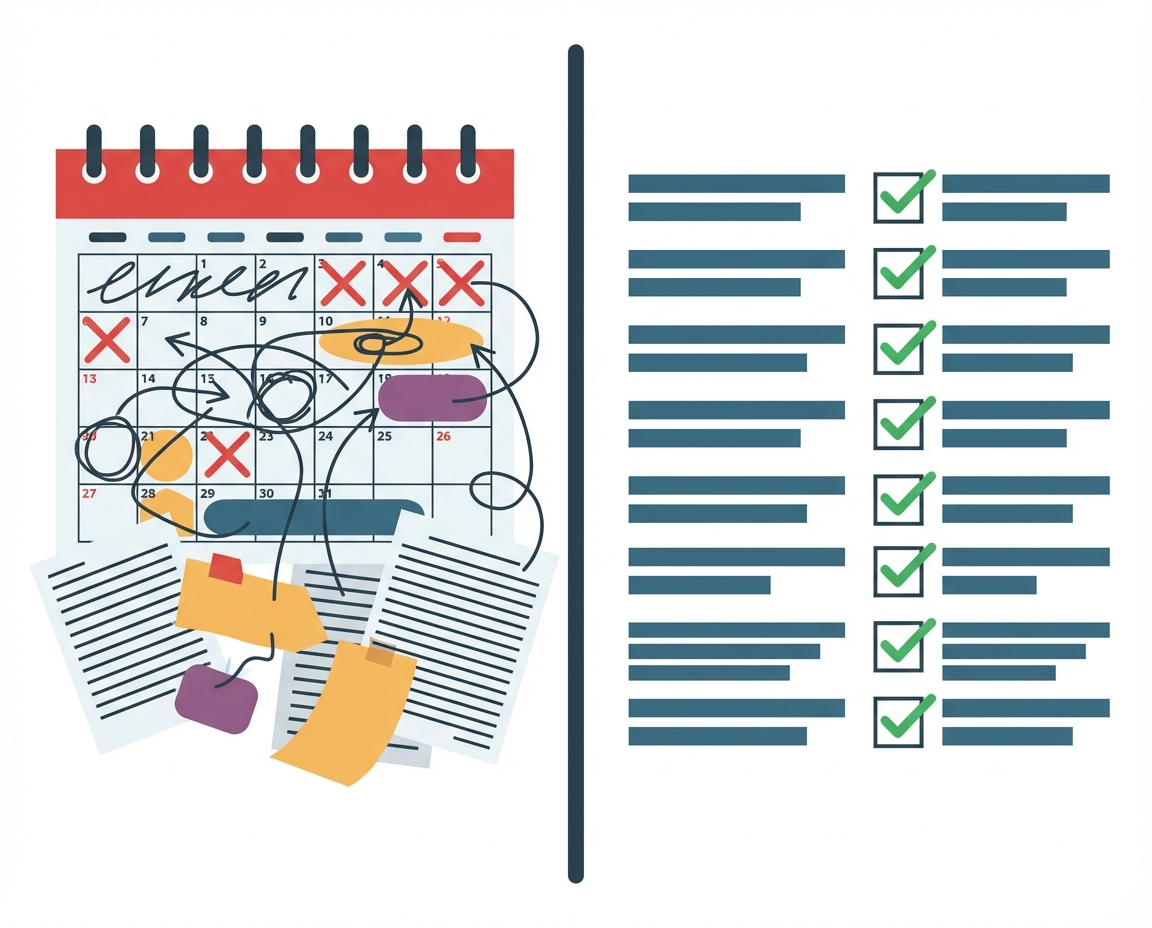
Anxiety contagion is different because it is often ambiguous. It is the transmission of the leader’s internal emotional state to the team, often without a clear external target. This creates a specific set of problems:
- Ambiguity: The team feels on edge but does not know why.
- Rumination: Employees waste energy trying to decode the leader’s mood rather than doing their work.
- Risk Aversion: When people are anxious, they stop taking creative risks and stick to safe, known patterns.
The Business Cost of Secondhand Stress
This biological transfer has tangible business consequences. When a team is infected with leadership anxiety, their cognitive function changes. The brain shifts resources away from the prefrontal cortex, which handles logic, creativity, and long-term planning, and toward the amygdala, the threat detection center.
For a business builder, this is counterproductive. You want your team to be innovative and resilient. Anxiety contagion forces them into a defensive crouch. They become less likely to suggest new ideas because their brains are prioritizing safety over growth. Information flow slows down because people are afraid to bring bad news to an already stressed leader.
Leading Through the Biology
We do not have all the answers on how to perfectly insulate a team from the realities of business ownership. It is a difficult balance. How much transparency is too much? If you hide your stress completely, do you appear detached? If you share it, do you paralyze the team?
Scientific observation suggests that awareness is the first step. Acknowledging that your stress is contagious allows you to take responsibility for the emotional climate. It is not about eliminating stress, which is impossible in business, but about processing it.
- Pause before engaging: Take a moment to regulate your breathing before entering a team space.
- Name the emotion: Sometimes simply stating that you are feeling pressure regarding a specific issue can stop the team from imagining worse scenarios.
- Shift the focus: Direct the nervous energy toward actionable steps rather than vague worries.
By managing your own biological signal, you provide a stable platform for your team to build upon.