What is Asynchronous Discussion?
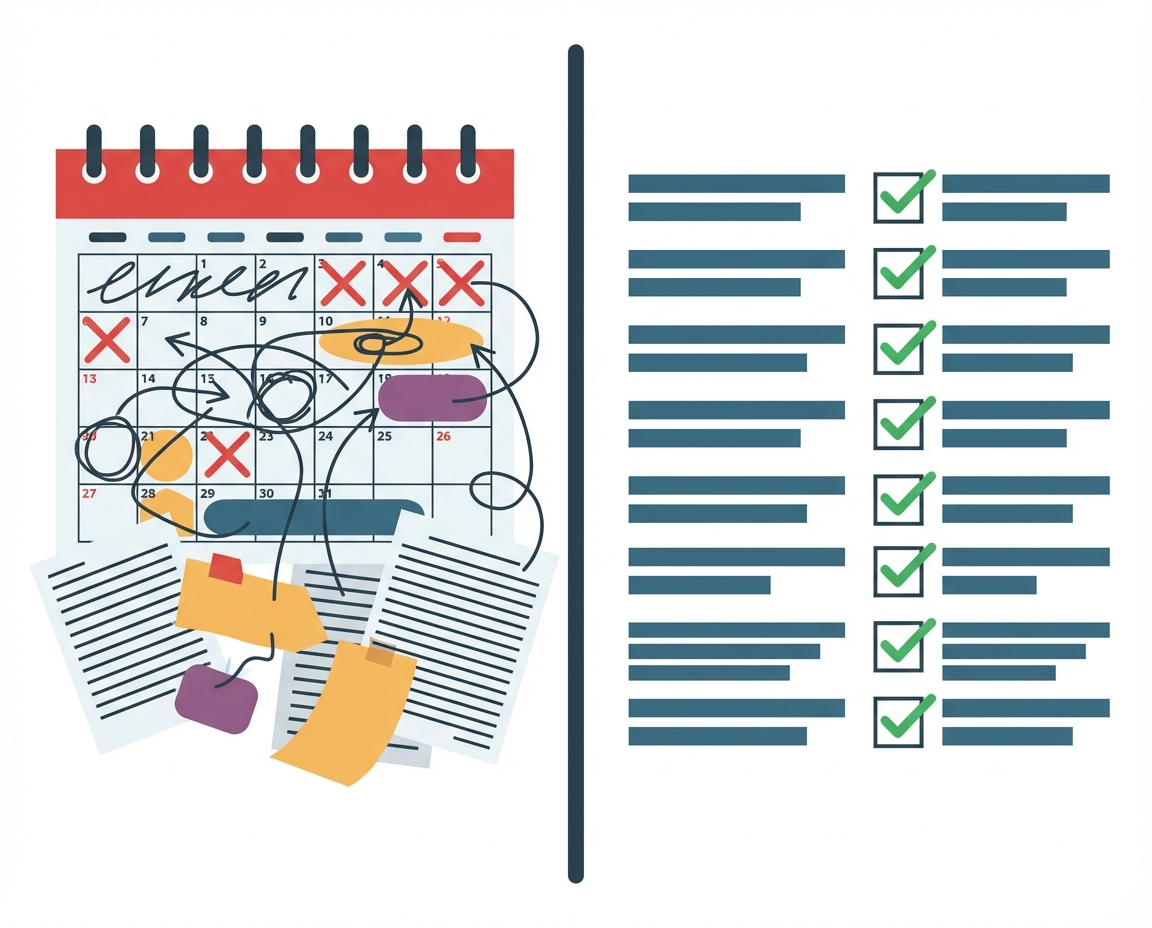
You are likely familiar with the feeling of a fractured workday. You sit down to focus on a strategic plan or a complex operational issue, and a notification creates a sense of urgency that demands your immediate attention. This creates a cycle where you feel productive because you are answering questions quickly, but you end up exhausted and wondering if you actually moved the needle on your long-term goals.
There is a specific fear that comes with silence in a business context. We often worry that if we are not responding immediately, our team will think we are absent or that the business is stalling. However, relying solely on real-time communication often leads to shallow decision making and burnout. This is where the concept of asynchronous discussion becomes a vital tool for the modern manager. It is not just a technical term but a behavioral shift in how we value time and thought.
Defining Asynchronous Discussion
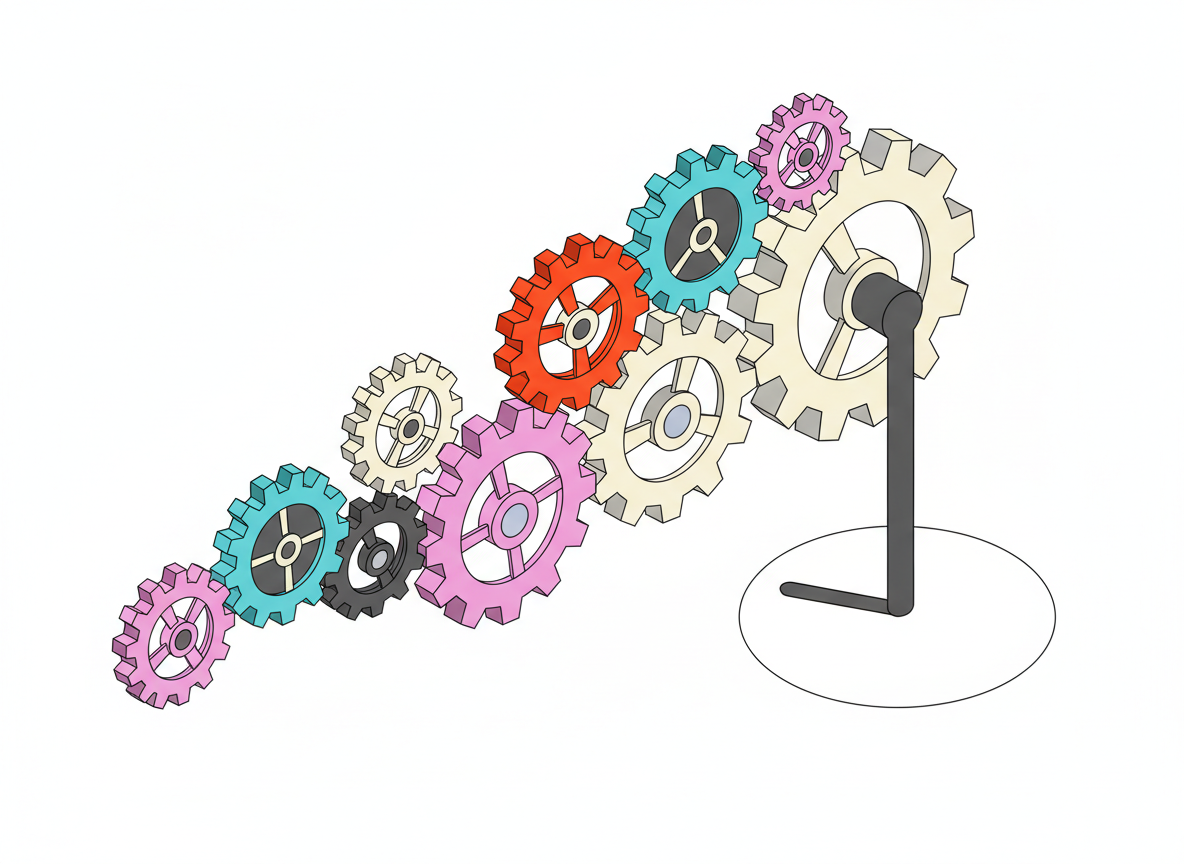
Asynchronous discussion is a method of online interaction where participants post messages and reply at their leisure rather than in real time. Unlike a phone call, a Zoom meeting, or an instant message chat where presence is required simultaneously, asynchronous discussion uncouples communication from the clock.
In this model, the sender does not expect an immediate response, and the receiver engages with the information when they are mentally ready to do so. This format is standard in email threads, forum posts, and project management comments. The core characteristic is that the conversation happens over a longer period, allowing for gaps in time between the question and the answer.
Comparing Asynchronous and Synchronous Communication
To understand the value of this concept, we must weigh it against its opposite. Synchronous communication happens in the moment. It is effective for building social rapport, handling true emergencies, or brainstorming rapidly where energy needs to feed off other participants. However, it requires everyone to align their schedules, which can be a significant bottleneck for a growing business.
Asynchronous discussion offers a different value proposition:
- Depth over speed: Because the recipient has time to digest the information before replying, the responses tend to be more thoughtful, researched, and complete.
- Documentation by default: These discussions usually happen in text-based formats that are automatically saved. This creates a searchable history of why a decision was made, which is invaluable for training new staff later.

Uncouple communication from the clock. - Inclusion: Team members who process information slower or who are less likely to speak up in a loud meeting have the space to formulate their thoughts and contribute equally.
When to Utilize Asynchronous Discussion
Not every interaction should be asynchronous. If your server crashes or a client is angry on the phone, you need real-time action. However, many managers default to meetings for topics that would actually benefit from the slow lane.
Consider using asynchronous methods for:
- Status updates: daily stand-ups can often be replaced by a written log that team members read when they start their day.
- Feedback loops: reviewing designs, documents, or strategic plans usually requires deep thinking. Allowing a team member to review a file on their own time often yields better critique than putting them on the spot in a meeting.
- Complex problem solving: when a problem has many variables, writing it out forces the author to clarify their thinking. The act of writing the post often solves the problem before anyone even replies.
The Unknowns of Asynchronous Culture
While the benefits of reducing noise and stress are clear, adopting this style introduces questions we must honestly evaluate. We know it helps with focus, but we do not fully know the long-term impact on team bonding.
- Does removing the immediacy of conversation erode the emotional connection between a manager and their staff?
- How do we measure engagement if we cannot see people reacting in real time?
- Is there a risk that urgent issues get buried in a slow-moving thread?
These are the trade-offs a manager must navigate. Shifting to asynchronous discussion requires trust. You have to trust that your team is working even when they are quiet, and they have to trust that you will support them without hovering. It is a rigorous way to build a business, but it builds a foundation of autonomy that can help you weather the complexity of growth.