What is Big Data in HR?
You spend a lot of time worrying about your people. It is the nature of being a business owner or a manager who actually cares. You lay awake at night wondering if your best salesperson is about to quit or if the quiet resentment you sensed in a meeting is a sign of a deeper cultural issue. For a long time management has been treated as an art form based on gut feelings and intuition. While intuition has value it is often clouded by bias and fear. This is where the concept of Big Data in HR enters the conversation.
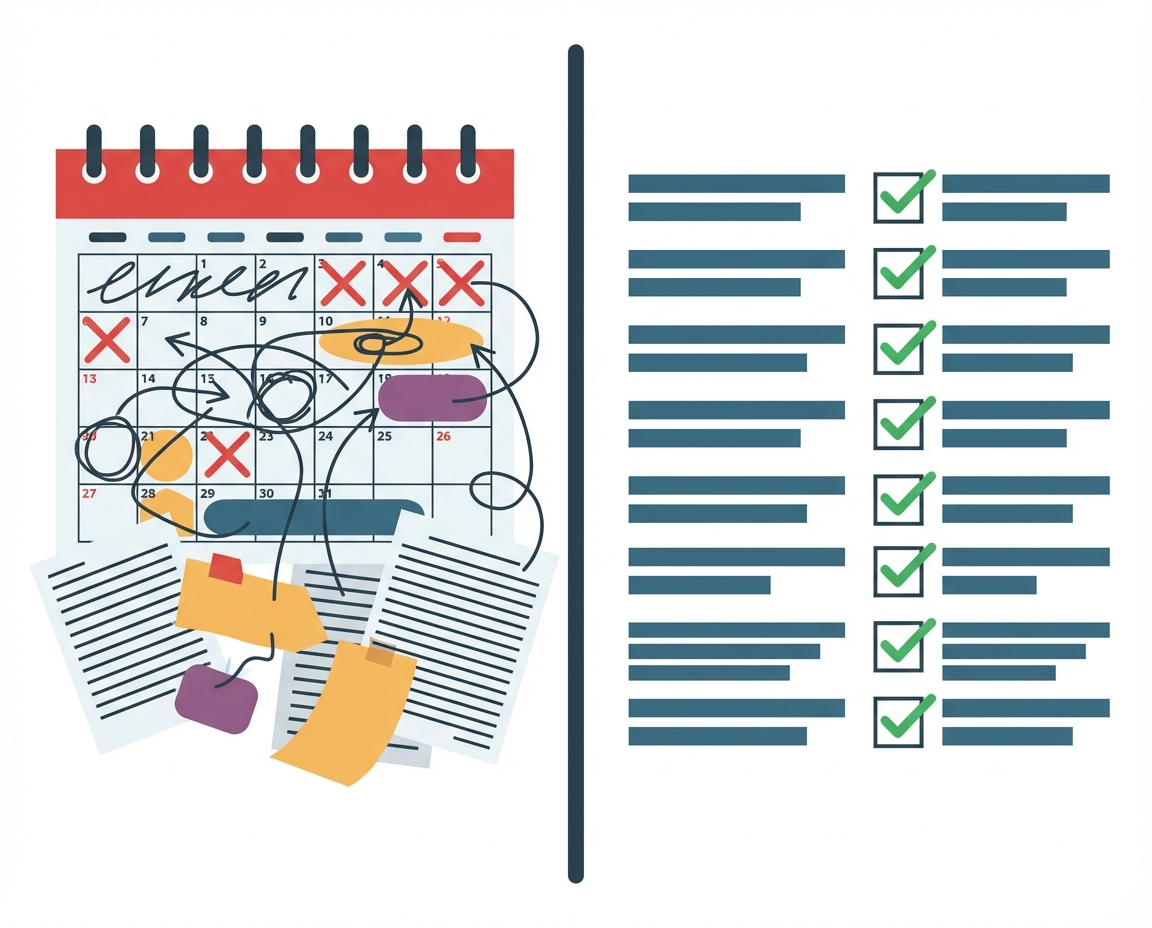
It sounds like a term reserved for massive multinational corporations with endless budgets but the core philosophy is accessible to anyone building a team. It is the practice of moving away from isolated anecdotes and moving toward evidence. It is about aggregating the bits and pieces of information you already have to see the picture they form together.
Understanding the scope of Big Data in HR
At its simplest level Big Data in HR is the collection and analysis of large datasets to identify patterns. In a smaller business this might not be petabytes of information but it involves looking at every data point available to you as part of a larger whole rather than as a single event. It combines demographics with performance metrics and engagement scores and attendance records.
When you stop looking at these things in silos you start to see correlations. You might notice that productivity dips specifically for teams under a certain type of management style or that turnover spikes at the eighteen month mark for employees hired from a specific source. The goal is to move from reactive fire fighting to predictive management.
Applying Big Data in HR to retention
One of the most painful experiences for a founder is losing a key team member unexpectedly. It feels personal and it disrupts the momentum you have worked so hard to build. Utilizing Big Data in HR allows you to identify flight risks before the resignation letter hits your desk. By analyzing historical data you can find the commonalities among people who have left in the past.
Consider the following data points that often signal turnover risks:
- Decline in participation during optional team events
- Changes in leave utilization patterns
- Stagnation in performance ratings over two consecutive quarters
- Discrepancies between market salary rates and current compensation
When you track these metrics over time you are no longer guessing who is unhappy. You have a dashboard that alerts you to anomalies. This gives you the chance to intervene early. You can have the stay interview instead of the exit interview. It provides a sense of control in an otherwise unpredictable environment.
Big Data in HR versus traditional metrics
There is a distinct difference between standard reporting and Big Data in HR. Traditional reporting looks backward. It tells you what happened last quarter. It is a lagging indicator. Big Data helps you look forward. It uses the past to model the future.
Traditional metrics might tell you that your time to hire is forty days. Big Data analysis digs deeper to tell you that while the time to hire is forty days candidates who go through a longer interview process have a higher long term retention rate. This distinction is critical for a manager who wants to build something that lasts. It shifts the focus from speed and efficiency to quality and longevity.
The limitations of Big Data in HR
While data provides clarity it is not a replacement for human connection. There is a risk in reducing your team members to rows on a spreadsheet. Data can tell you that engagement is down but it cannot tell you the specific emotional nuance of why without qualitative input.
As you integrate more data into your decision making process you must ask yourself difficult questions. Are you measuring the right things? Are your datasets biased because they only capture the behavior of a specific demographic within your company? Data is only as good as the inputs and in a small growing business those inputs can be messy.
Use the insights from Big Data in HR to inform your conversations not to replace them. Let the numbers guide you to the right people so you can offer the support they need to thrive. This approach allows you to build a sturdy infrastructure for your business while maintaining the empathy that makes you a leader worth following.