What is Career Pathing?
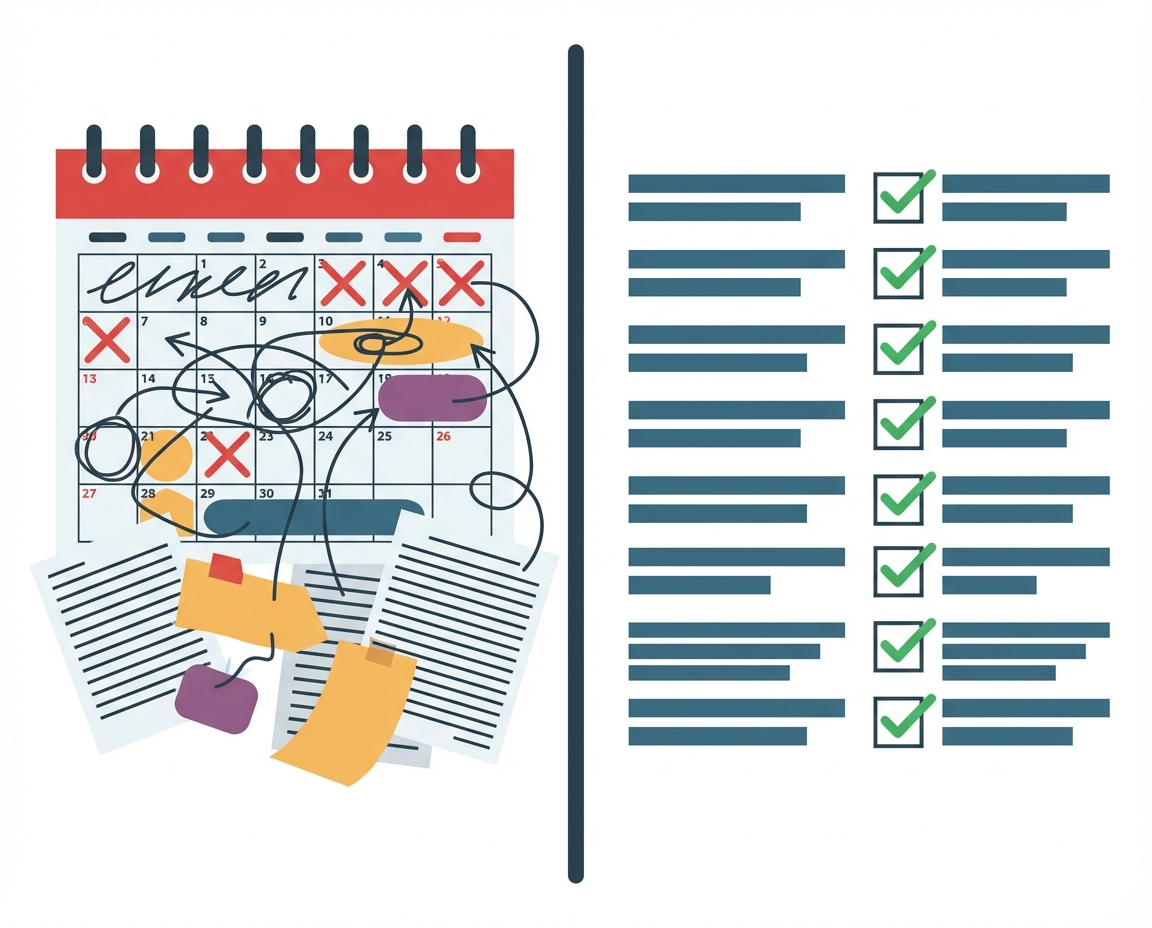
You are lying awake at 2 AM worrying about your best employee. You know they are talented and they deliver results, but you have noticed a change in their demeanor. They seem disengaged. Your fear is that they feel stagnant and are looking for opportunities elsewhere. This is a specific anxiety that plagues almost every business owner and team manager who cares about their staff. We spend so much energy building our products and refining our operations that we often neglect the infrastructure required to build our people.
This is where the concept of career pathing enters the conversation. It is not just a buzzword for large corporations with endless HR budgets. It is a fundamental tool for stabilizing your workforce and reducing the stress associated with high turnover. It provides a roadmap for your team members so they can see a future within your organization rather than having to look outside of it to find growth.
Defining Career Pathing
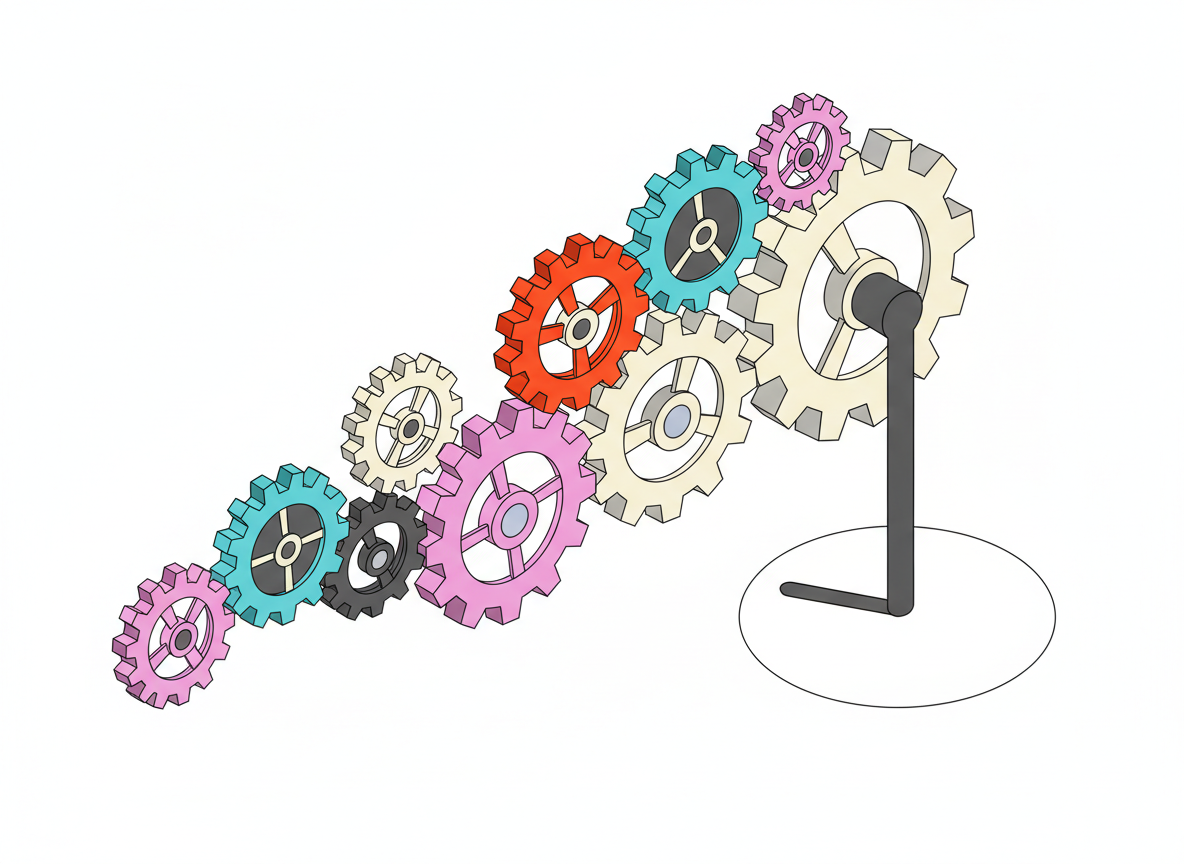
Career pathing is the process of outlining a potential career trajectory for an employee within an organization. It details the specific skills, experiences, and competencies needed to advance from one role to another. It moves the conversation from abstract promises of future growth to concrete, actionable steps.
At its core, this is a mapping exercise. You are taking the current reality of an employee and drawing a line to their potential future state. This gives the employee a sense of agency. They understand that if they acquire specific skills or achieve certain milestones, they move forward. It removes the ambiguity that often leads to frustration and resignation.
The Mechanics of Career Pathing
To build a functional career path, you must move beyond job titles. A title is just a label. A career path is built on requirements and measurable outcomes. When you sit down to create this structure, you are looking for the gaps between where a person is and where they want to be.
Effective career pathing usually includes the following elements:
- Competency Frameworks: A clear list of soft and hard skills required for the next level.
- Experience Benchmarks: Time spent in a role or specific projects completed that demonstrate readiness.
- Education or Training: Certifications or knowledge bases that must be mastered.
- Lateral Moves: Opportunities to gain knowledge in different departments to build a holistic view of the business.
Career Pathing vs Succession Planning
It is common for managers to confuse career pathing with succession planning, but they serve different distinct purposes. Understanding the difference is vital for your resource allocation.
Succession Planning is designed for the organization. It identifies critical roles and figures out who can fill them if the current occupant leaves. It is a risk management strategy for the business.
Career Pathing is designed for the individual. It focuses on the employee’s personal goals and how those align with the company. It is an engagement strategy.
While they overlap, they are not identical. A career path might lead an employee to a role that does not currently exist but brings value to the firm. Succession planning is filling existing boxes. Career pathing can involve drawing new ones.
Scenarios for Implementation
You do not need to have a career path for every single role on day one. However, there are specific triggers where this process becomes necessary for survival.
- High Potential Retention: When you identify a top performer who has outgrown their current duties, career pathing provides the structure to keep them.
- Hiring Complexity: When candidates ask about growth opportunities during interviews, a documented path provides a competitive advantage over disorganized rivals.
- Performance Reviews: When a review cycle feels repetitive or lacks substance, introducing a path changes the conversation from past mistakes to future possibilities.
Unresolved Questions in Management
While the definition is straightforward, the application creates complex questions for a business owner. There is no scientific consensus on how rigid these paths should be. If a path is too rigid, does it stifle creativity? If it is too loose, does it fail to provide security?
We also must ask how we handle the disappointment when a path is completed but the business reality does not allow for a promotion immediately. How do managers maintain trust in that gap? These are the variables you must weigh as you navigate the human side of your enterprise.