What is Distance Learning?
You are lying in bed at night wondering if your new hire in a different time zone actually feels supported. You worry that they might be staring at a screen feeling completely lost while you are busy putting out fires at headquarters. This is a common fear for modern business owners who want to build remarkable teams but struggle with the logistics of geography. The concept of distance learning is often discussed in academic circles, but for a business manager, it is a vital tool for survival and growth.
Distance learning is a method of education where the instructor and the student are physically separated. The instruction is delivered through technology, such as the internet, video broadcasts, or digital correspondence. In a business context, this is how you transfer your institutional knowledge, culture, and technical requirements to a team member who cannot sit next to you.
It is easy to dismiss this as simply sending a few emails or hosting a webinar, but effective distance learning requires a structural shift in how you view management. It is about creating a deliberate pathway for information to travel without distortion.
The Components of Distance Learning
When you strip away the educational jargon, distance learning relies on a few core mechanisms to function. It is not just about the content itself but the delivery system that replaces the physical classroom or boardroom.
- Asynchronous Content: This includes pre-recorded videos, reading materials, and quizzes that an employee can consume on their own schedule. This respects their time but requires their self-discipline.
- Synchronous Interaction: Live video calls or chat sessions where the teaching happens in real-time. This mimics the classroom but relies heavily on stable internet connections.
- Digital Assessments: These are the tools used to verify that the information was actually retained, replacing the casual observation you might do in an office.
Understanding these components helps you realize that you are not just a manager. You are becoming a curriculum designer.
Distance Learning vs. Traditional Training
It is helpful to compare distance learning with the traditional training methods most managers are used to. In a traditional setting, you can read body language. You can see when someone is confused by the furrow of their brow. You can pivot your explanation instantly.
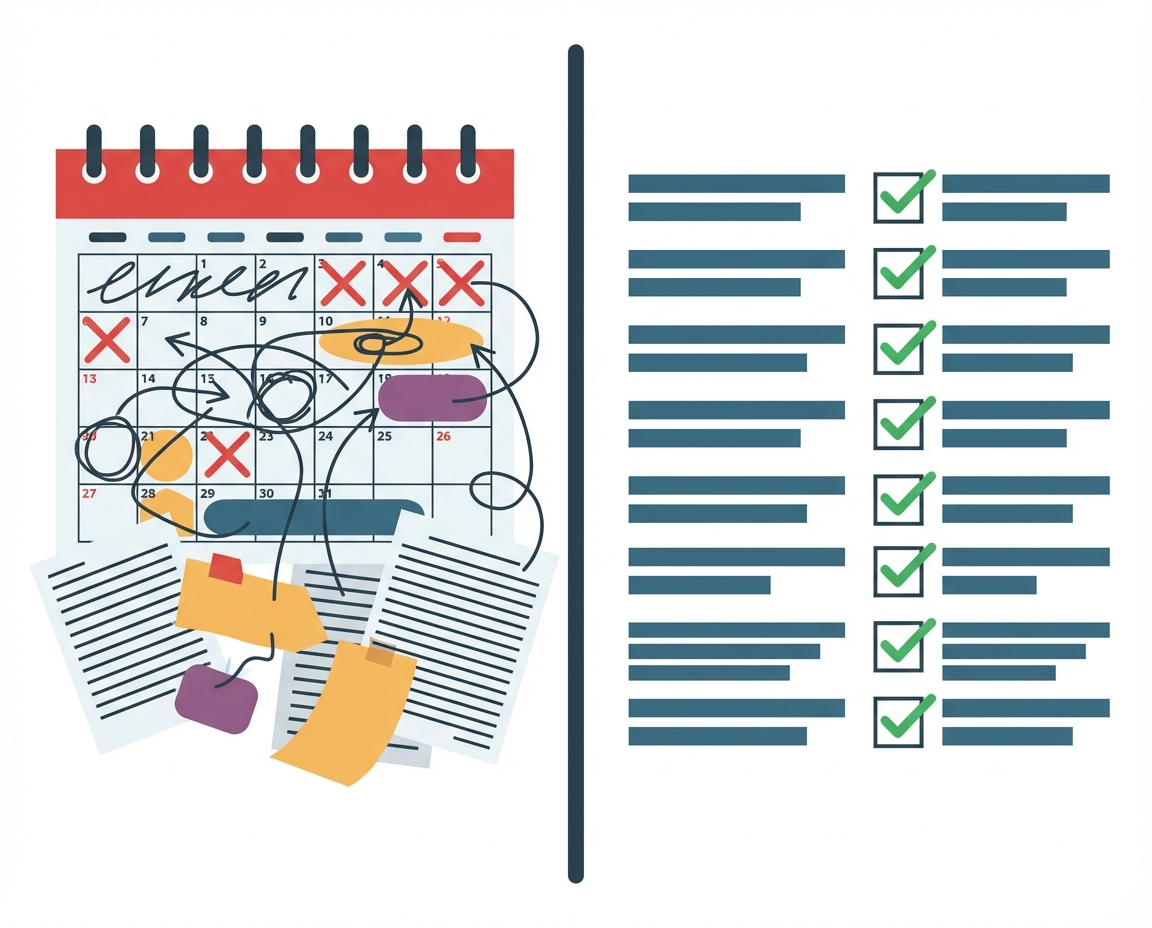
Distance learning trades that immediate emotional feedback for scale and accessibility. Here are the distinct differences:
- Flexibility: Traditional training requires synchronized schedules. Distance learning allows your team to learn when they are most alert, potentially leading to better retention.
- Consistency: In-person training can vary depending on your mood that day. Distance learning materials deliver the exact same message to every single employee, ensuring standard operating procedures are actually standard.
- Isolation: The biggest drawback of distance learning is the lack of peer support. In a room, trainees bond. Online, they often learn alone.
When to Deploy Distance Learning
Not every subject is suitable for this format. Knowing when to use it is key to alleviating your stress and ensuring your team feels empowered rather than burdened.
- Onboarding Processes: General company policies, history, and software basics are perfect for this. It saves you from repeating the same speech twenty times a year.
- Technical Skill Acquisition: Coding, data entry, or specific machinery operation often works well with video tutorials that can be paused and replayed.
- Compliance Training: Regulatory updates that require a paper trail of completion are best handled through tracked distance learning systems.
However, you might want to avoid this method for high-stakes interpersonal skills or delicate leadership training, where human nuance is irreplaceable.
Addressing the Isolation Gap
The data tells us that distance learning is efficient, but we still have questions about the long-term psychological impact on employee loyalty. If a team member learns everything from a screen, do they feel a loyalty to the mission you are building?
- How do we measure the emotional resonance of a digital lesson?
- Are we sacrificing mentorship for the sake of efficiency?
- Can digital communities replace the trust built during a shared lunch after a training session?
These are the unknowns you must navigate. As you implement these systems, you must be vigilant. You are building a system to help them grow, but you must ensure the technology bridges the gap rather than widening it. The goal is to provide them with the competence they crave so they can succeed, even if you are miles away.