What is Experiential Learning?
You are likely sitting at your desk right now wondering if you made the right call on that last project. The fear that you are missing a critical piece of the puzzle is a constant companion for business owners. We often try to silence that fear by reading another book or attending another seminar. While those resources have value, they rarely stick when the pressure is on and the stakes are real.
There is a different way to view your daily grind. It is not just work to be done. It is a classroom. This concept is known as experiential learning. It suggests that the most durable lessons do not come from a lecture hall but from the messy and chaotic reality of running your business. It is about taking the things you do every day and using them as the primary source of your development. This approach allows you to stop waiting for permission or certification and start trusting the evidence of your own efforts.
Defining Experiential Learning
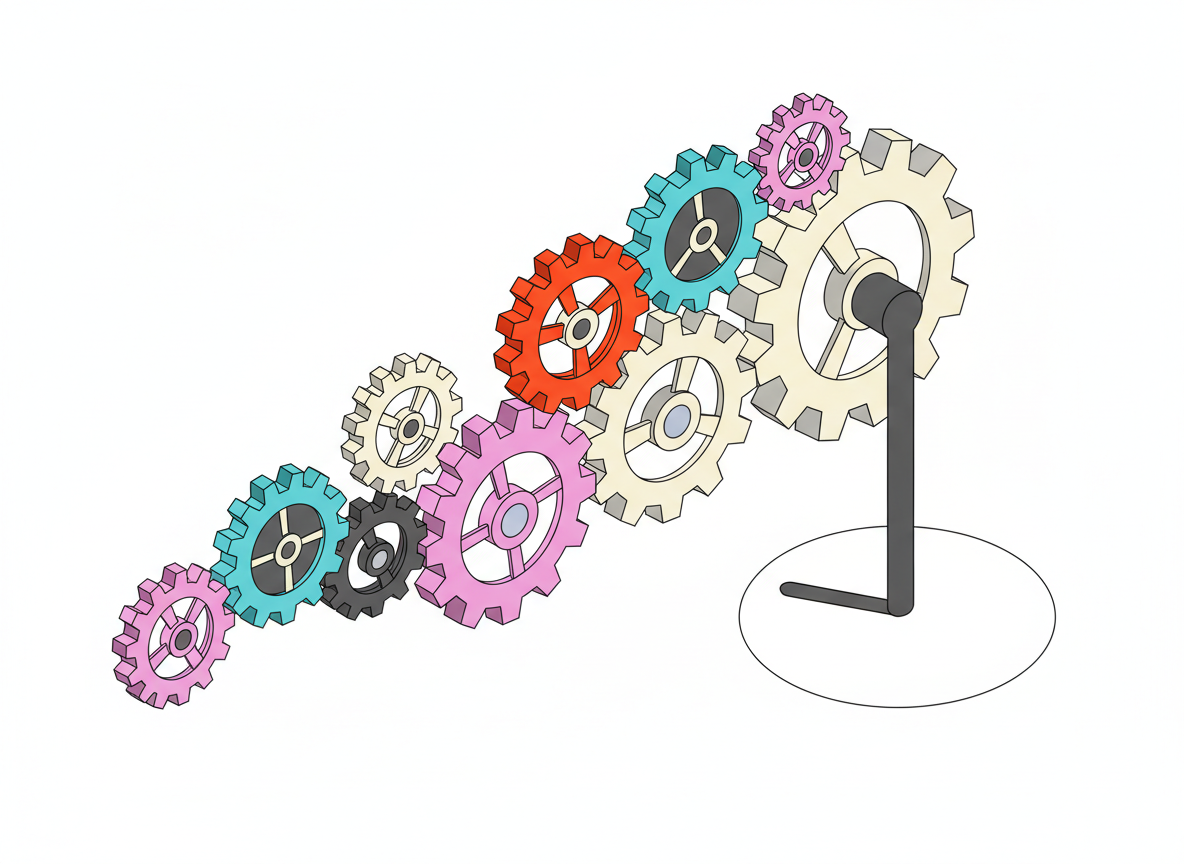
At its core experiential learning is the process of learning through reflection on doing. It moves beyond abstract theory and requires you to get your hands dirty. The process is cyclical rather than linear. You take an action, you observe the result, you analyze why it happened, and then you plan your next move based on that analysis. It transforms the manager from a passive observer into an active scientist in their own organization.
This approach fundamentally changes the way you view failure. In a traditional academic setting a wrong answer is bad. In experiential learning a wrong outcome is simply data. It provides the necessary friction to help you understand how your business actually works rather than how you hope it works. It validates your instincts through evidence rather than anxiety.
Experiential Learning vs Passive Training
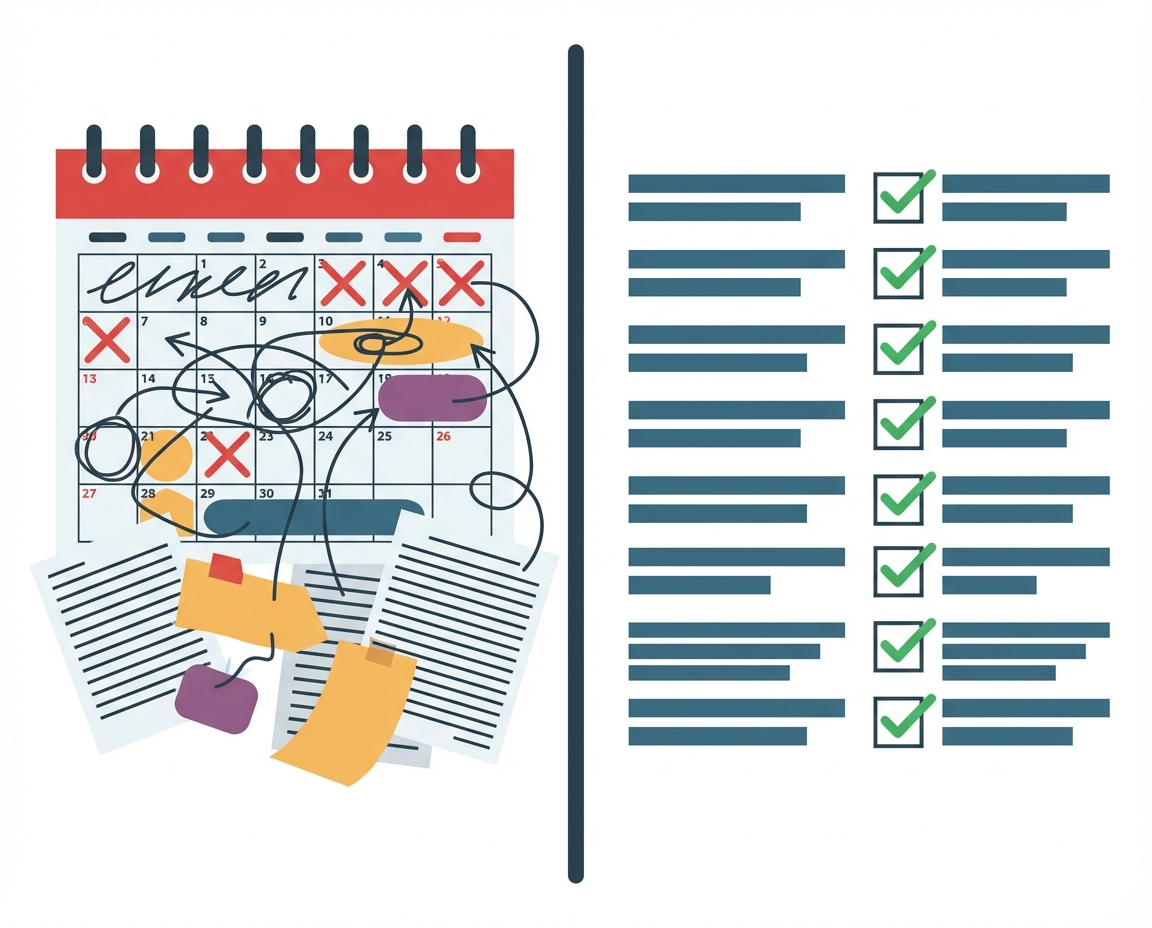
Most of us are conditioned to learn passively. We sit and listen while someone else talks. We read and memorize lists of facts. Passive training assumes that if you consume enough information you will eventually know how to act when a crisis hits. The struggle many managers face is the gap between knowing the theory and executing the practice under stress.
Experiential learning bridges that gap by requiring involvement. Here is how they differ in a business context:
- Passive training focuses on information acquisition while experiential learning focuses on skill application and behavior change.
- Passive training is often linear and predictable while experiential learning adapts to real world variables and unexpected outcomes.
- Passive training relies on external authority for validation while experiential learning builds internal confidence through personal proof.
Learning happens in the doing
Implementing Experiential Learning Scenarios
You can apply this methodology immediately without a budget or a consultant. It starts by framing your current challenges as experiments rather than tests you must pass. If you are struggling with team morale, do not just read about culture. Try a specific change in how you run your weekly meetings and observe the results.
Consider these scenarios for application in your company:
- Delegation: Assign a task to a team member that feels slightly out of their depth. Let them struggle briefly before stepping in. Reflect with them afterward on what they figured out. The learning happens in the struggle.
- Crisis Management: When a client issue arises, pause to document the steps taken to resolve it. Afterward, analyze those steps to see where the process broke down or where the team excelled.
- Product Launches: Treat a new feature release as a learning loop. The goal is not just revenue but understanding market fit based on actual user feedback.
The Critical Role of Reflection
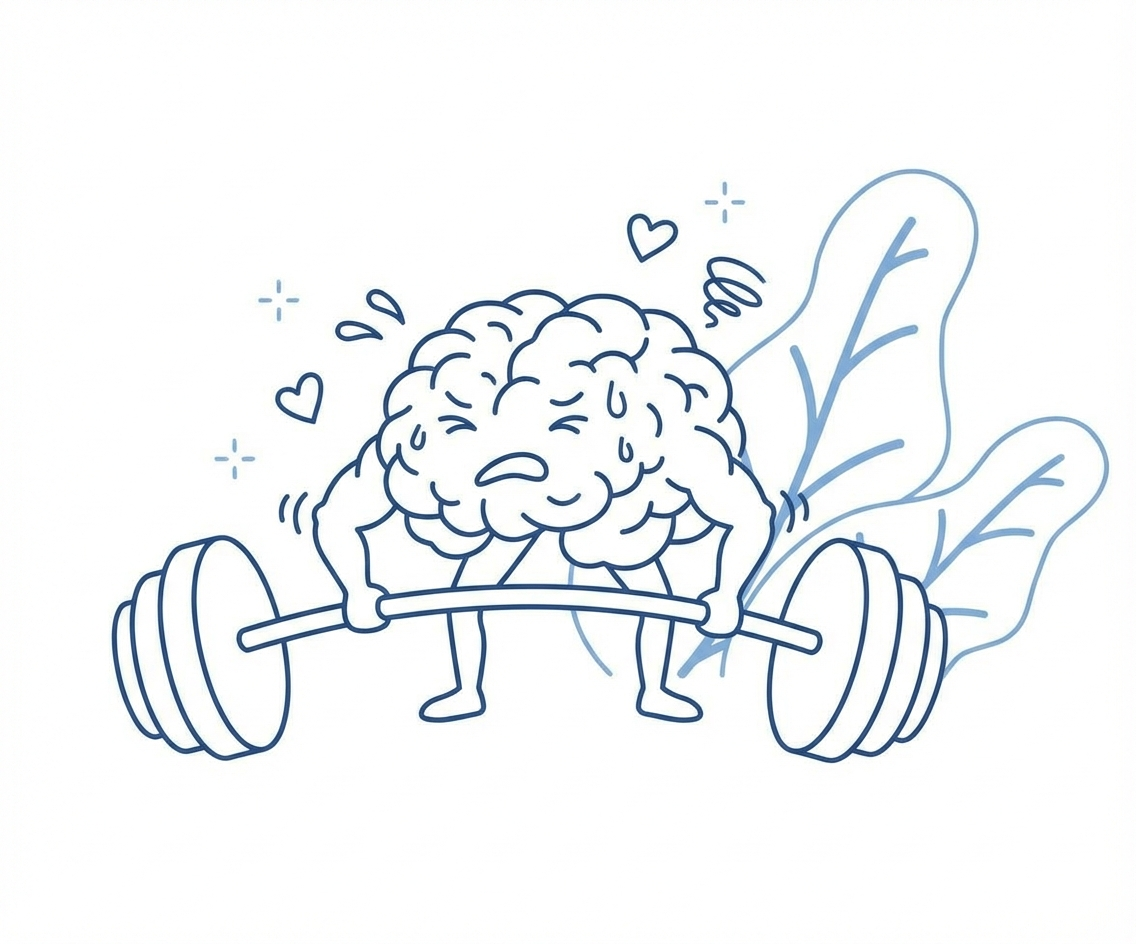
The most dangerous trap for a busy business owner is skipping the reflection phase. Doing the work is only half the equation. If you do not stop to analyze why something worked or failed you are not learning. You are just repeating tasks. Without reflection, experience is just a series of events that happen to you rather than lessons you have integrated.
You must carve out quiet time to process events. This is where the anxiety dissipates and confidence begins. You realize that you can handle the unknown because you have a mechanism for processing it. Ask yourself difficult questions during this time.
- What assumptions did I make that were wrong?
- What variables did I ignore?
- How did my own stress levels impact my decision making?
By turning your daily operations into a laboratory for learning you remove the pressure to be perfect. You replace it with the intent to be better and more informed tomorrow than you were today.