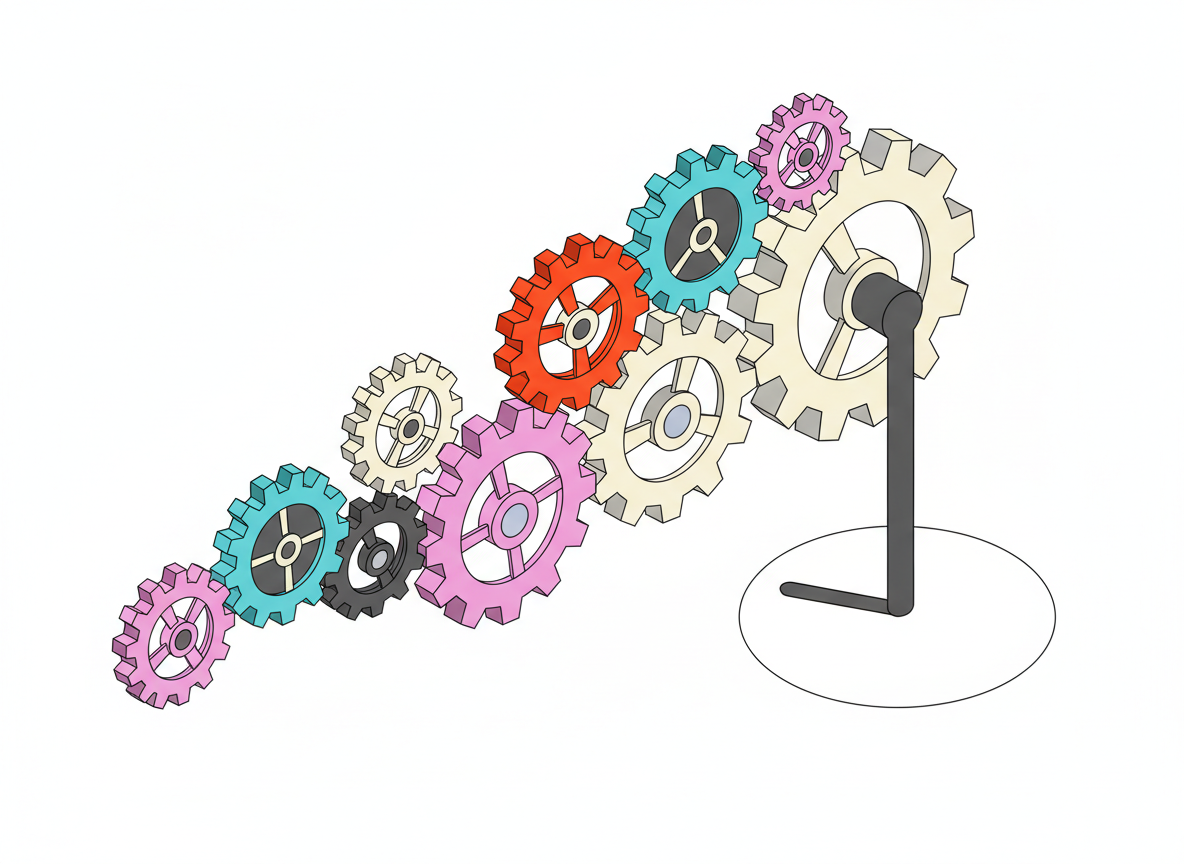
What is Information Architecture?
You are building something real. You have a vision of a company that lasts, and you are willing to do the hard work to make that happen. But as you grow, you likely feel a specific type of creeping anxiety. It is the anxiety of clutter. It is the fear that as you add more content, more policies, and more products, your business is becoming a labyrinth where both your customers and your employees are getting lost.
This is not just a feeling. It is a structural reality. When we build physical offices, we hire architects to ensure people can walk from the lobby to the conference room without hitting a dead end. In the digital world, we often forget this step. We just keep adding pages.
Information Architecture, or IA, is the art and science of organizing and labeling websites, intranets, and learning management systems to support usability. It is the discipline of deciding how things are arranged so that people can find what they are looking for without frustration.
The Core of Information Architecture
At its most basic level, IA is about categorization and structure. It is the blueprint of your digital existence. It requires you to look at the vast amount of data and content your business generates and ask hard questions about how it connects.
Effective IA focuses on four main components:
- Organization Systems: How you categorize information. Do you group things by subject, by date, or by audience?
- Labeling Systems: How you represent information. When a user sees a button that says “Solutions,” do they know what that means, or is it too vague?
- Navigation Systems: How users move through the content. This includes your menus, breadcrumbs, and inline links.
- Search Systems: How users look for specific items when they do not know where to navigate.
When these four elements work together, the user feels a sense of calm. They do not have to think about the interface. They can focus on the value you provide.
Distinguishing IA from User Experience
Think of a skyscraper. Information Architecture is the steel frame, the elevator shafts, and the floor plan. It dictates where the bathrooms are located and how many exits there are on the ground floor. User Experience is the interior design, the lighting, the speed of the elevators, and how the door handles feel when you grip them.
- IA ensures the structure is logical and sound.
- UX ensures the interaction is pleasant and meaningful.
You cannot have a great user experience if the underlying architecture is flawed. No amount of beautiful design can fix a website where the user cannot find the pricing page.
Scenarios That Demand Structural Review
As a business owner, you do not need to be a professional information architect. However, you need to recognize the symptoms of bad architecture so you can address them. You likely need to revisit your IA in the following scenarios:
- High Bounce Rates: If analytics show people landing on your site and leaving immediately, they likely could not orient themselves.
- Customer Support Overload: If your team answers the same basic questions repeatedly, your self-service content is likely buried or mislabeled.
- Employee Onboarding Friction: If new hires take months to become productive because they cannot find process documents in your internal portal, you have an IA problem.
Reducing Cognitive Load for Managers
The most overlooked benefit of strong Information Architecture is what it does for you, the leader. There is a heavy mental toll in managing chaos. When your digital house is messy, you constantly worry about what is falling through the cracks. You worry that a potential client is giving up on your site right now because they are confused.
Investing time in IA forces you to clarify your business model. You have to decide what is most important. You have to prioritize. This process is often difficult because it exposes gaps in your strategy, but it is necessary work.
By building a solid structure, you are not just organizing files. You are creating a stable foundation. This allows you to step back and let the systems run, knowing that anyone who enters your digital space will be guided exactly where they need to go.