What is Instructional Design?
You spend weeks recruiting the right people. You vet their resumes and check their references to ensure they have the raw talent your business needs. Then they arrive on day one and you or your senior staff spend hours explaining how things work. You hand over documents, show them videos, and have them shadow other employees. Everyone nods their heads. They seem to get it.
Then a week later they make a critical error on a process you are certain you covered. The frustration is immediate. You wonder if you hired the wrong person or if they just are not paying attention.
But the reality is often less about the person and more about the method of delivery. Information dump is not the same as learning. This is the specific pain point that Instructional Design addresses. It moves beyond simply presenting information to structurally engineering a way for that information to be understood, retained, and applied.
Understanding Instructional Design
Instructional Design (ID) is the systematic practice of creating learning experiences and materials. The goal is not just exposure to content but the actual acquisition and application of knowledge. It is the architecture of learning.
Think of it as the difference between giving someone a pile of bricks and giving them a blueprint. Content creation is making the bricks. Instructional Design is the blueprint that ensures those bricks build a house that stands up.
ID involves analyzing the needs of the learner and the goals of the business to create a bridge between the two. It looks at how humans actually process information rather than how managers prefer to deliver it. It asks difficult questions about what the learner needs to do rather than what they need to know.
The Components of Instructional Design
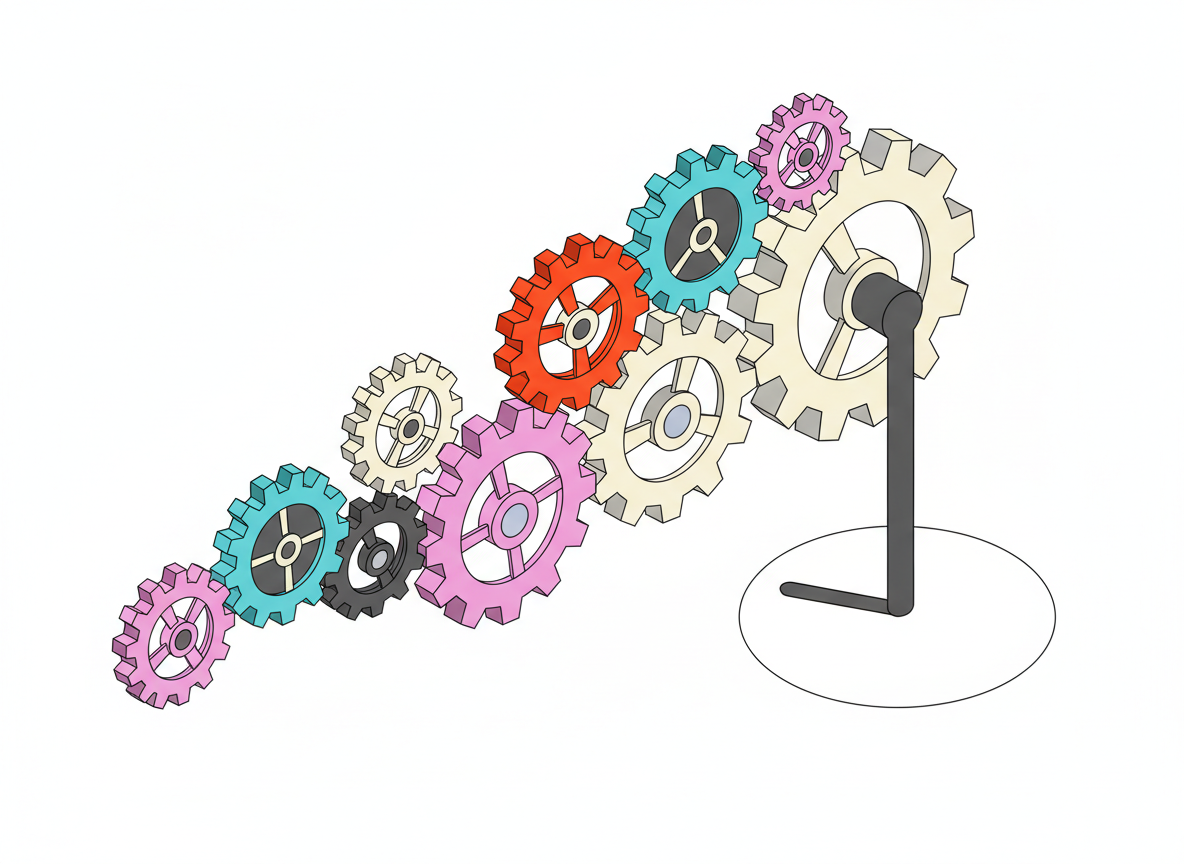
To apply this in a business setting you have to look at the mechanics of how you teach your team. An instructional designer does not just write a manual. They look at the entire ecosystem of the skill gap.
Key components usually include:
- Analysis: Determining exactly what the team member needs to be able to do at the end of the training. This focuses on behavioral outcomes.
- Design: Structuring the information in a logical flow. This involves breaking complex tasks into smaller, digestible chunks to avoid cognitive overload.
- Development: Creating the actual materials, whether that is a slide deck, a simulation, or a one page job aid.

Information dump is not learning. - Evaluation: Checking to see if the training actually worked. Did performance improve?
Instructional Design vs. Simple Documentation
It is common for busy managers to confuse documentation with training. You might have a Google Drive full of Standard Operating Procedures (SOPs). You might assume that because the steps are written down, the training is complete.
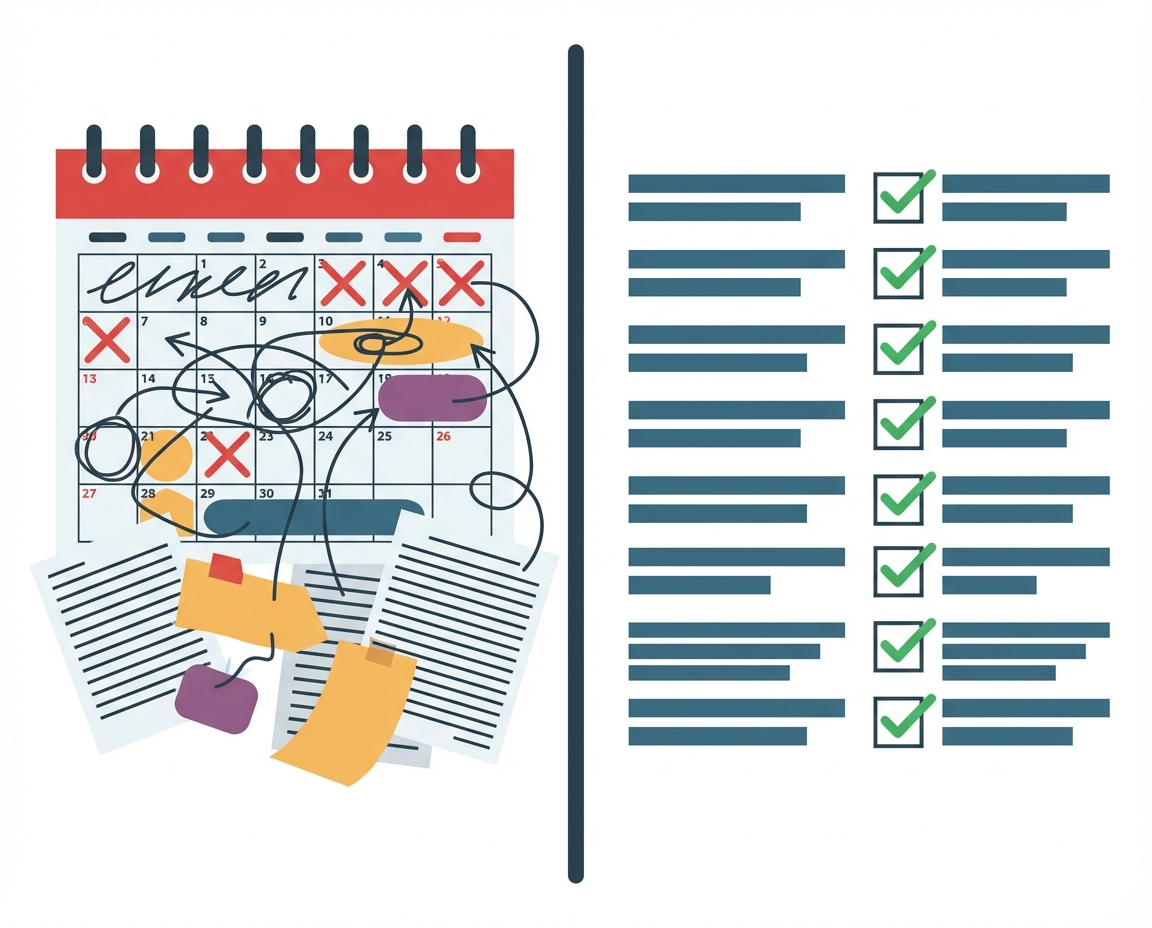
Documentation is a reference tool. Instructional Design is a transfer method. Documentation assumes the reader knows the context and just needs the details. ID builds the context first.
- Documentation: Lists the 10 steps to refund a customer.
- Instructional Design: Explains why refunds matter to brand loyalty, simulates a difficult refund scenario, and guides the learner through the 10 steps while providing feedback.
If you rely solely on documentation, you are asking your employees to self-teach. Some can do this, but many cannot, leading to the anxiety and errors that keep you up at night.
When to Use Instructional Design Principles
You do not need to hire a full time specialist to benefit from these concepts. As a manager, you can apply ID principles in specific high stakes scenarios.
- Onboarding: The first week is overwhelming. Structuring this time prevents burnout and sets the standard for quality.
- New Software Rollouts: Instead of showing every feature, design a session that focuses only on the three features they will use daily.
- Compliance Changes: Regulatory updates are dry. Using ID can turn a boring memo into a case study that shows the risks of non compliance.
The Unknowns in Your Training Strategy
This is where we have to stop and reflect on the gaps in our current understanding. We often assume we know how our teams learn best, but do we? There are questions you should be asking yourself as you look at your current training materials.
Are you teaching based on how you prefer to explain things or how your team prefers to learn? How much of your current training is just survival mode handover versus intentional skill building? We do not always know the answer to these questions immediately, but asking them is the first step toward building a team that feels supported and capable.