What is Interoperability in Business Software?
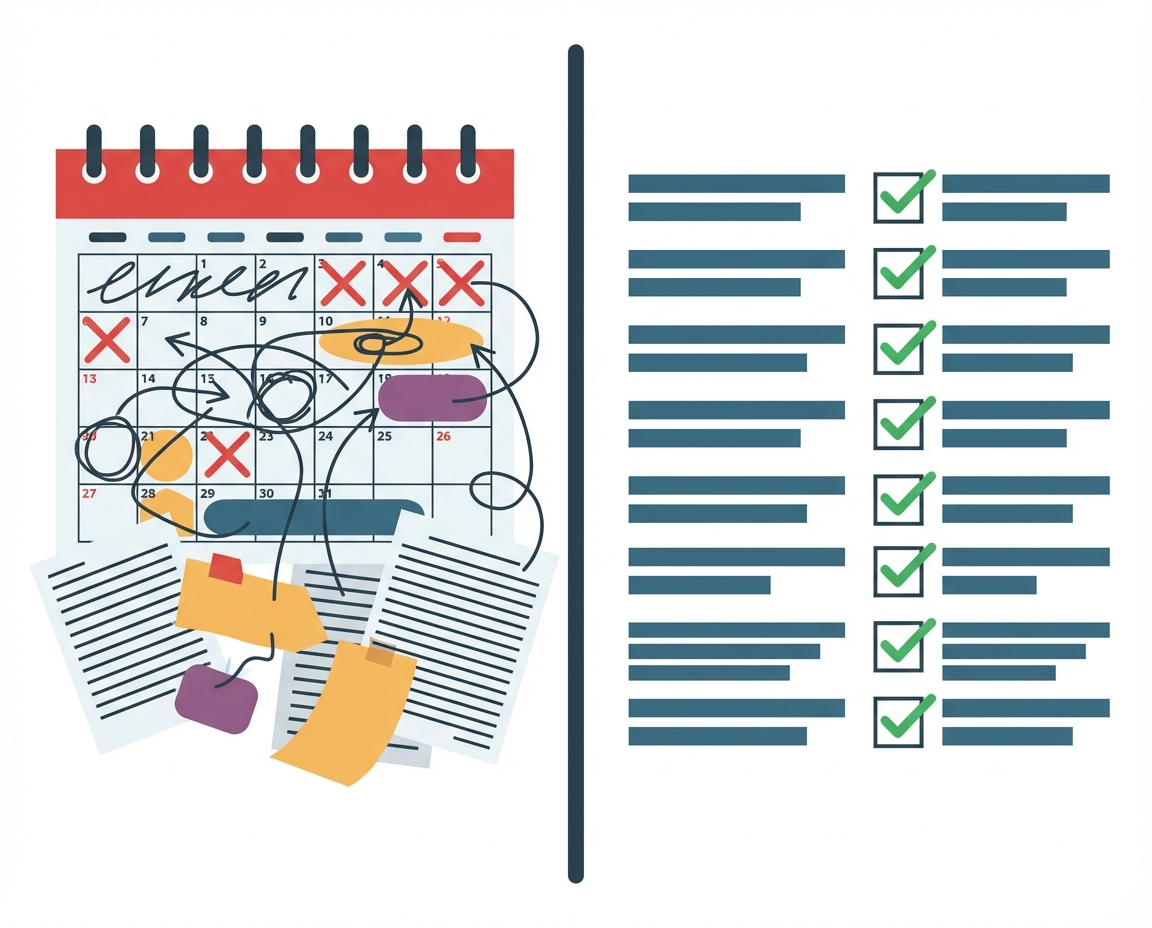
You have likely experienced the specific frustration of having valuable data trapped in one piece of software while you desperately need it in another. Perhaps you have just hired a new employee. You enter their personal details into your payroll system or HRIS. Then, ten minutes later, you find yourself manually typing those exact same details into your Learning Management System so they can start their onboarding training. It feels redundant because it is.
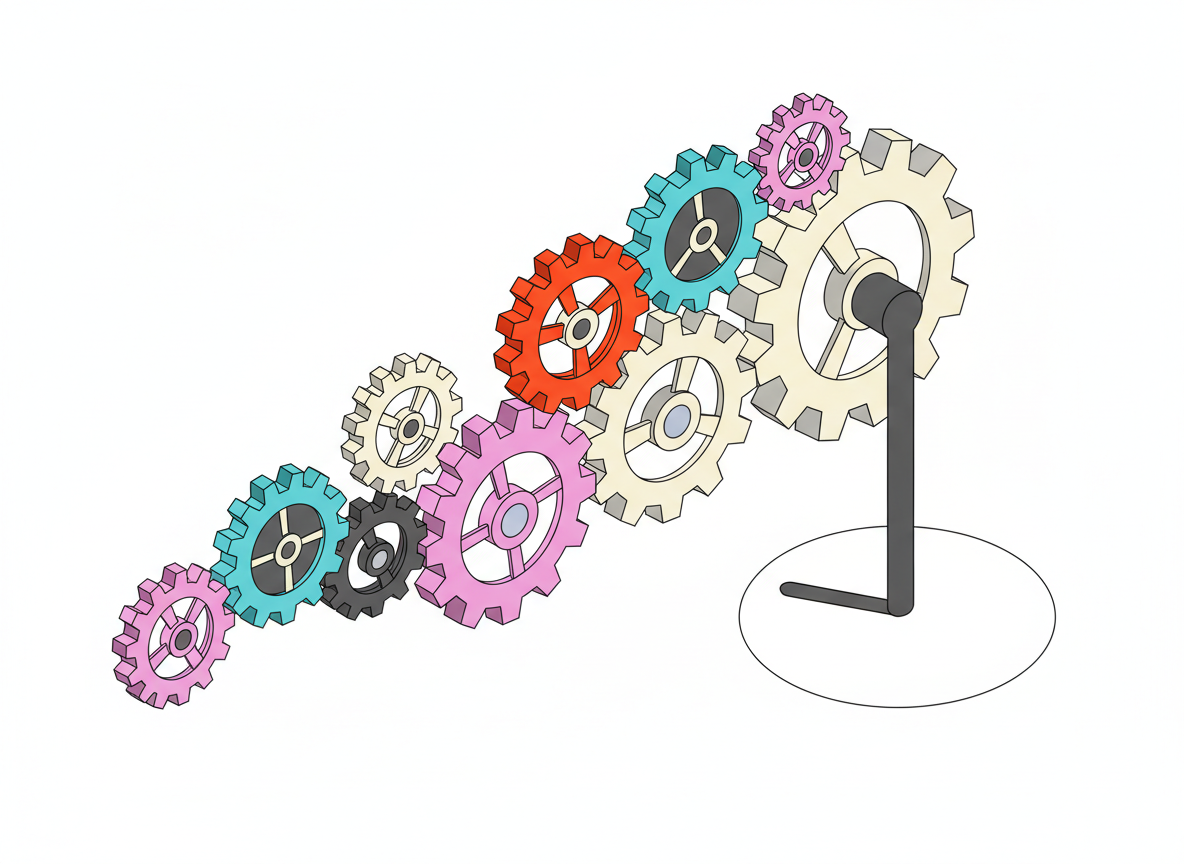
This lack of connection between tools is a major source of stress for business owners and managers. It turns dynamic leaders into data entry clerks and introduces the risk of human error with every manual copy and paste. When we talk about fixing this, we are talking about interoperability. It is a technical term, but at its core, it is about allowing your business ecosystem to function as a cohesive unit rather than a collection of isolated islands.
Defining Interoperability in a Business Context
Interoperability is the ability of different computer systems, software applications, or components to connect and exchange information with one another. Crucially, it also means these systems can make use of the information they have exchanged without special effort from the user.
It is not enough for System A to simply send a file to System B. System B must be able to ingest, understand, and utilize that data immediately. For a busy manager, true interoperability looks like this:
- Data is entered once and populates across all relevant platforms.
- Reporting provides a holistic view of the business rather than fragmented snapshots.
- Workflow triggers in one system initiate actions in another.
When your systems possess this quality, you spend less time managing the tools and more time managing your people and your vision.
Distinguishing Interoperability vs Integration
It is common to hear the terms integration and interoperability used interchangeably, but there is a distinct difference that matters when you are building your tech stack.
Integration refers to the process of connecting two systems. It is the plumbing that connects the pipes. You might hire a developer to build a custom integration that forces two systems to talk to each other. It works, but it might be fragile or require constant maintenance.
Interoperability is a property of the systems themselves. It implies that the systems were designed with a standard language or protocol that allows them to work together naturally.
Think of it like this:
- Integration: Hiring a translator to sit between two people who speak different languages.
- Interoperability: Two people who both speak the same language fluently.
For a business owner, seeking interoperable software usually means lower long-term costs and higher reliability compared to maintaining custom integrations.
Why Interoperability Matters for HRIS and LMS
One of the most critical relationships in your business software ecosystem is between your Human Resources Information System (HRIS) and your Learning Management System (LMS). These two databases hold the truth about your people, their roles, and their capabilities.
When these systems lack interoperability, you face significant challenges:
- Stale Data: An employee gets promoted in the HR system, but the LMS still assigns them training for their old role.
- Compliance Risks: A certification expires, but the manager is not alerted because the training record is stuck in the LMS and not visible in the main management dashboard.
- Poor Experience: Employees feel frustrated when they have to update their profiles in three different places.
When these systems are interoperable, the flow is seamless. A status change in the HRIS automatically unlocks a new leadership learning path in the LMS. This automation gives you confidence that your team is always getting the right support at the right time.
Evaluating Your Systems for Interoperability
As you look to grow your business, you need to assess whether your current tools are helping you build or holding you back. It is important to look beyond the marketing claims on a vendor website and ask difficult questions about how the software actually behaves.
Here are things to consider when evaluating software:
- Does this system use open standards and open APIs?
- Can this software automatically sync user data with my existing platforms without manual CSV uploads?
- what happens to the data connection if one system updates its version?
We must also ask ourselves what we are missing. Are there inefficiencies in our daily workflows that we have accepted simply because we assume the technology cannot handle it? Recognizing where your systems fail to communicate is the first step toward reclaiming your time and mental energy.