What is Job Shadowing?
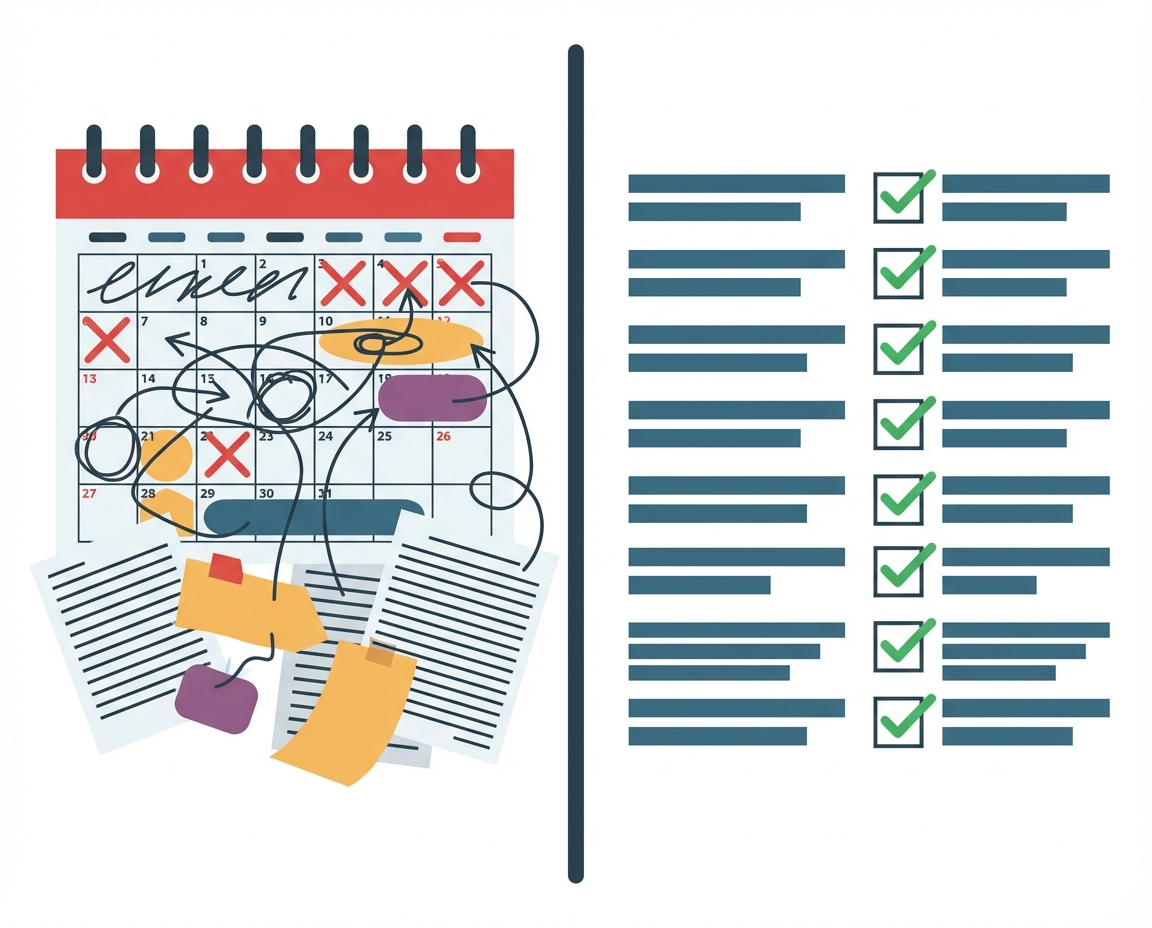
There is a specific type of anxiety that comes with running a business. It usually hits when you realize that so much of what makes your company work exists entirely inside your own head or the heads of a few key employees. You worry about what happens if someone leaves or if you simply need to take a vacation. You wonder how to transfer that deep, instinctive knowledge to a new hire without writing a thousand-page manual that no one will read.
This is where job shadowing becomes a critical tool in your management toolkit. At its simplest, job shadowing is a type of on-the-job training where an employee learns from a more experienced colleague by following them and observing their work. However, for a business owner focused on building a resilient organization, it represents much more. It is the bridge between theoretical knowledge and practical application.
It is the mechanism by which you transfer the nuance, the culture, and the unspoken rules of your business to the next generation of leaders and staff. It allows your team to see not just what needs to be done, but how it is done when the pressure is on.
The Mechanics of Job Shadowing
Job shadowing is often misunderstood as a passive activity. The term itself suggests a silent figure lurking in the background. In a healthy business environment, however, it is an active educational process. It involves a less experienced individual walking through the work day with a subject matter expert. This allows the observer to witness the reality of the role including the chaos, the decision making processes, and the interactions with other departments.
Effective shadowing usually follows a specific cadence:
- Preparation: The shadower reviews the basics of the role beforehand so they are not going in blind.
- Observation: The shadower watches tasks being performed in real-time. This includes attending meetings, watching client interactions, or observing technical work.
- Debriefing: This is the most important step. The pair discusses what happened, why specific decisions were made, and how the expert handled unexpected challenges.
For you as a manager, this creates a feedback loop. It allows you to see where your processes might be broken or where training gaps exist, based on the questions the shadower asks.
Job Shadowing vs Mentorship
It is common for leaders to conflate job shadowing with mentorship, but they serve different functions in your organizational architecture. Mentorship is relationship-oriented and long-term. It focuses on career growth, soft skills, and professional development over months or years. A mentor guides an employee on how to navigate their career.
- Mentorship: Ask questions about where you want to be in five years.
- Shadowing: Ask questions about why we use this specific software feature for this client.
Understanding this distinction ensures you apply the right solution to the right problem. If you need technical competence quickly, choose shadowing. If you need leadership development, look toward mentorship.
Scenarios for Implementation
Determining when to deploy job shadowing is as important as knowing how to do it. It is not necessary for every task, but there are specific inflection points in a business where it offers the highest return on investment.
New Employee Onboarding Nothing creates imposter syndrome faster than reading a handbook and then being told to perform. Shadowing provides a safe harbor where a new hire can acclimatize to the pace and tone of the workplace before being held accountable for results.
Cross-Departmental Understanding Silos kill small businesses. When the sales team thinks the engineering team has it easy, or customer support blames operations for failures, resentment builds. Having team members shadow different departments builds empathy. It helps them understand the upstream and downstream effects of their own work.
Succession Planning This helps alleviate your fear of the single point of failure. If you have one person who knows how to run payroll or fix the server, you are vulnerable. Shadowing allows you to duplicate that knowledge and spread it across the team.
Reducing the Managerial Burden
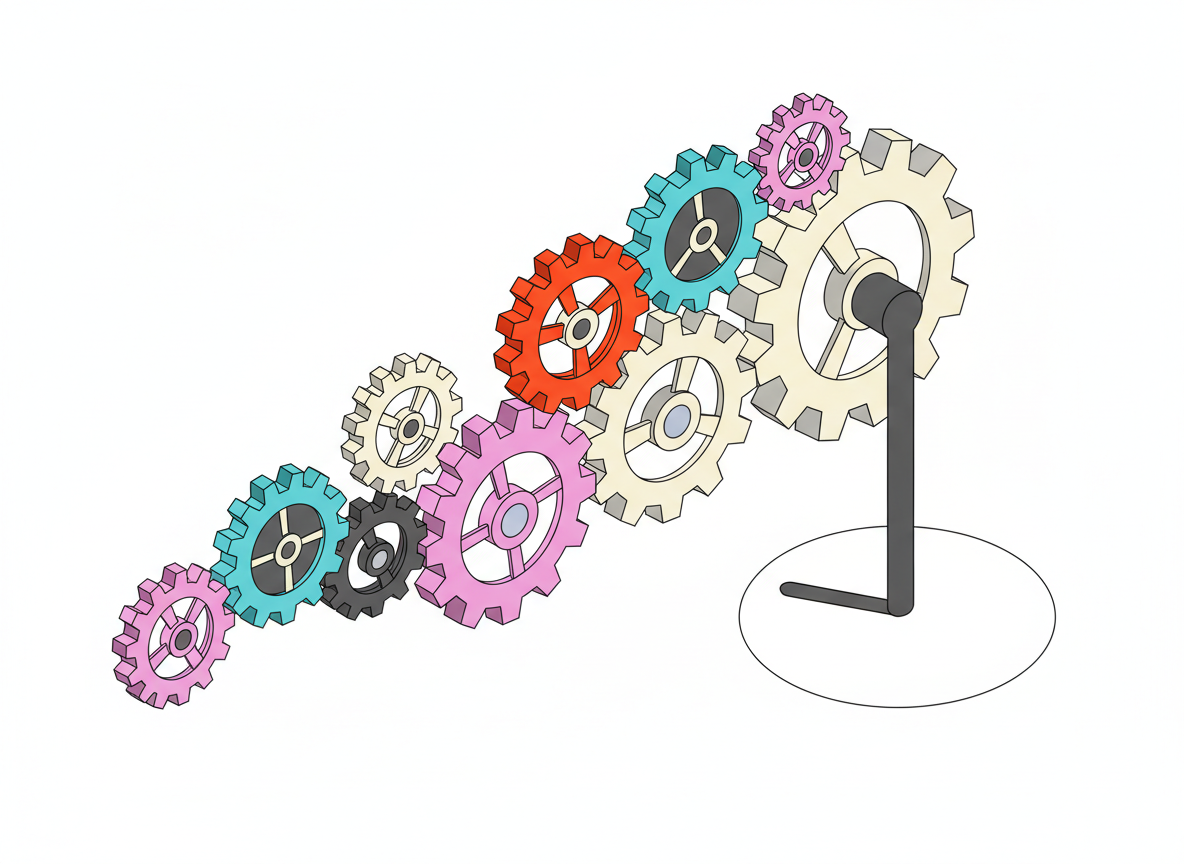
Ultimately, the goal of integrating job shadowing is to help you build a business that relies less on your constant intervention. When your team members can learn from one another through structured observation, they build confidence. They stop asking you for permission on every minor detail because they have seen how seasoned veterans handle similar situations.
It moves the training burden from being solely your responsibility to being a shared cultural value. You create an environment where learning is continuous and where it is safe to admit you do not know something, provided you are willing to observe and learn. This does not just build a better business. It builds a business that lets you sleep better at night.