What is Just-in-Time Learning?
You probably know the feeling of staring at a new software dashboard or a complex client issue and feeling your pulse quicken. The pressure to know everything, right now, is a heavy burden for business owners and managers. You worry that if you do not have the answer immediately, or if your team is not fully trained on every possible scenario before they start, something will break.
There is a fear that we are sending our people into battle without armor. So we compensate by front-loading massive amounts of training. We create binders, week-long orientation seminars, and long video playlists. Then we are surprised and frustrated when, three months later, the team has forgotten eighty percent of what we showed them. This is not a failure of your people. It is a failure of the timing. This is where Just-in-Time Learning enters the conversation.
Defining Just-in-Time Learning
Just-in-Time Learning is an approach to employee development that provides training content at the exact moment the learner needs to use it. It is the opposite of memorizing a glossary for a test you might take next year. It is about accessing the definition the moment you encounter the word in a sentence.
In a business context, this means moving away from trying to teach an employee everything about their role on day one. Instead, you provide a foundation and then ensure they have immediate, bite-sized access to information for specific tasks as those tasks arise. It acknowledges a biological reality. The human brain is efficient at discarding information it deems irrelevant to immediate survival or success.
Just-in-Time Learning vs. Just-in-Case Learning
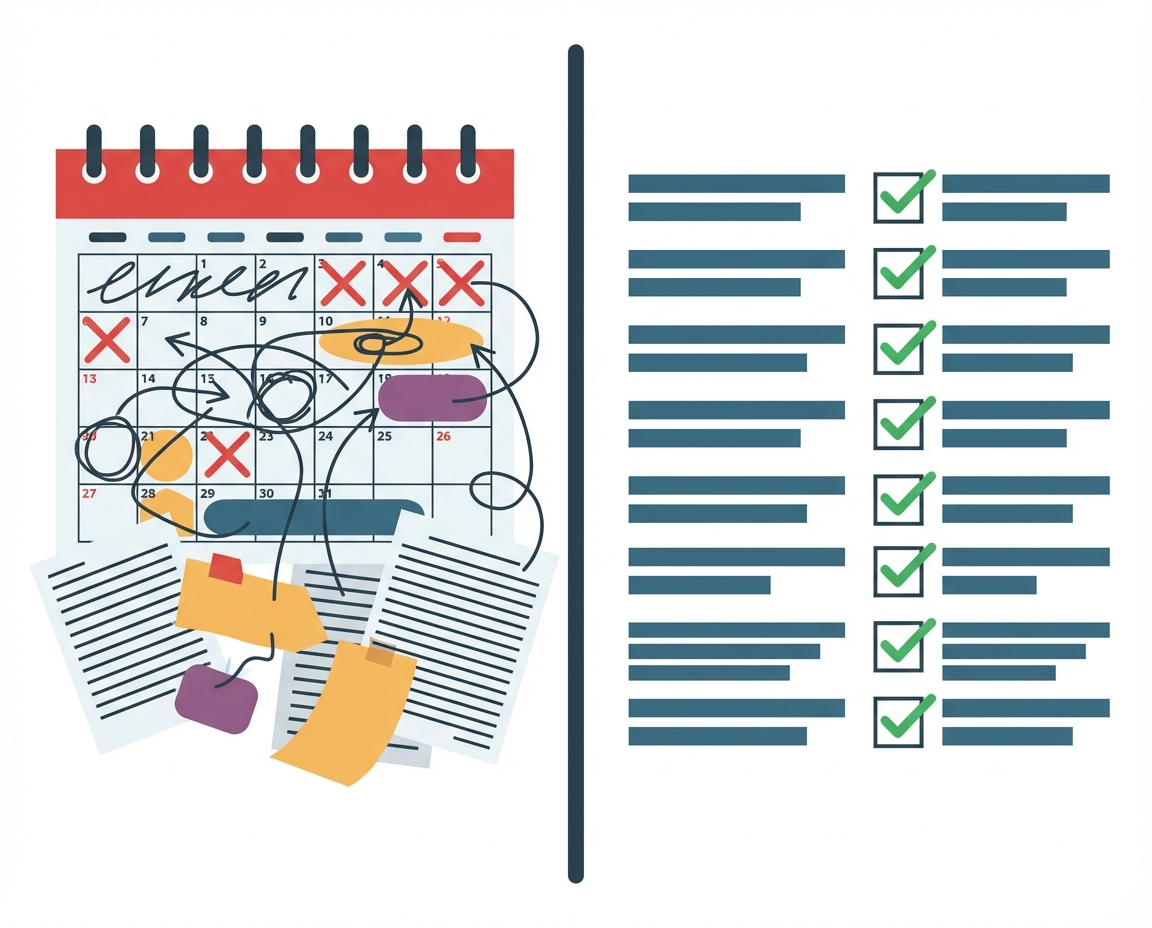
The traditional model most of us grew up with is Just-in-Case learning. This is the strategy of teaching someone a broad range of skills or facts because they might need them someday. While this works for foundational education, it is inefficient for fast-moving businesses.
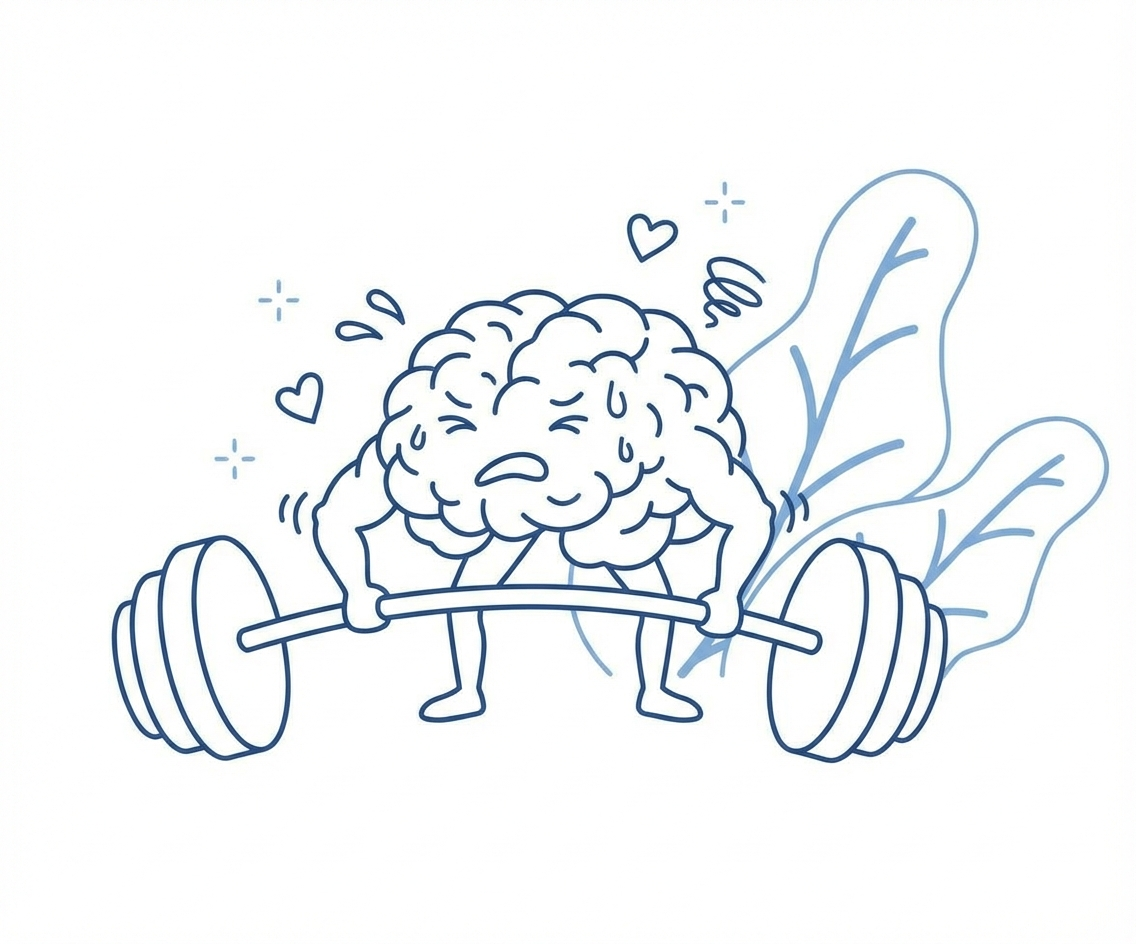
Just-in-Case learning often leads to cognitive overload. Your employees are overwhelmed with information they cannot contextualize yet. By the time the specific scenario arises, the details are fuzzy. This leads to mistakes and the need for retraining, which costs you time and money.
Just-in-Time Learning focuses on context and application. Because the employee applies the knowledge immediately after consuming it, retention rates skyrocket. The connection between the theory and the practice is cemented instantly. It changes the dynamic from studying to solving.

When to Use Just-in-Time Learning
This methodology is not a replacement for all training. You still need deep-dive sessions for cultural onboarding or complex theoretical frameworks. However, Just-in-Time Learning is superior in tactical scenarios.
Consider the following situations where this approach excels:
- Software Adoption: Instead of a four-hour workshop on a CRM, provide pop-up tutorials that appear only when a user clicks a specific feature.
- Troubleshooting: When a machine breaks or a code error appears, the technician needs a specific guide on that error, not a history of the machine’s manufacturing.
- Compliance Updates: Rather than a yearly seminar, provide a checklist that must be reviewed right before a sensitive task is performed.
Barriers to Implementing Just-in-Time Learning
Adopting this creates a challenge for the manager because it requires letting go of the security blanket of the big binder. It requires you to trust that your team can find the answer rather than having the answer memorized.
To make this work, you must build a robust infrastructure of knowledge. You cannot have Just-in-Time Learning if the information is hidden in a PDF on someone’s desktop. It requires:
- Searchable internal wikis or knowledge bases.
- Short, focused video content (microlearning).
- A culture where saying “I need to look that up” is viewed as resourcefulness, not incompetence.
As you look at your own business, ask yourself where you are over-training without context. Are you exhausting your team with information they cannot use yet? Shifting to this model might alleviate the pressure you feel to be the source of all wisdom. It empowers your team to solve their own problems, one specific moment at a time.