What is Rapid eLearning?
You are sitting at your desk looking at a new compliance regulation or a sudden shift in your product features. You know that your team needs to understand this information immediately to stay effective and confident. The old way of doing things suggests you should hire an instructional designer, spend weeks on storyboards, and wait months for a polished final product. But you do not have months. You barely have days.
This is where the anxiety sets in. You worry that if you move too fast, the training will be low quality. If you move too slow, your business misses a critical window. You want to support your staff, but the logistics of education feel like a barrier rather than an enabler. This is the specific pain point that Rapid eLearning addresses. It is not just a buzzword. It is a methodology designed to bridge the gap between necessary knowledge and the people who need it right now.
Rapid eLearning is the process of quickly creating and deploying educational courses. It typically leverages authoring tools that provide templates, stock assets, and the ability to convert existing resources, such as PowerPoint slides, directly into HTML5 formats that run on the web. It is about removing the friction from the development cycle.
The mechanics of Rapid eLearning
To understand this concept, we have to look at the tools. In a traditional setting, a developer might code a training module from scratch or use complex software requiring specialized skills. Rapid eLearning changes the barrier to entry.
It relies on software that often looks and feels like the office tools you already use. If you can build a slide deck, you can likely use these tools to create an interactive course. The focus shifts from coding and graphic design to content curation and instructional flow.
Key characteristics include:
- Templated Design: Using pre-built interactions and layouts to save design time.
- Asset Conversion: Taking existing documents or presentations and transforming them into trackable learning objects.
- SME-Driven: Subject Matter Experts (you or your senior staff) can often build the content directly without an intermediary.
Rapid eLearning vs. Traditional Design
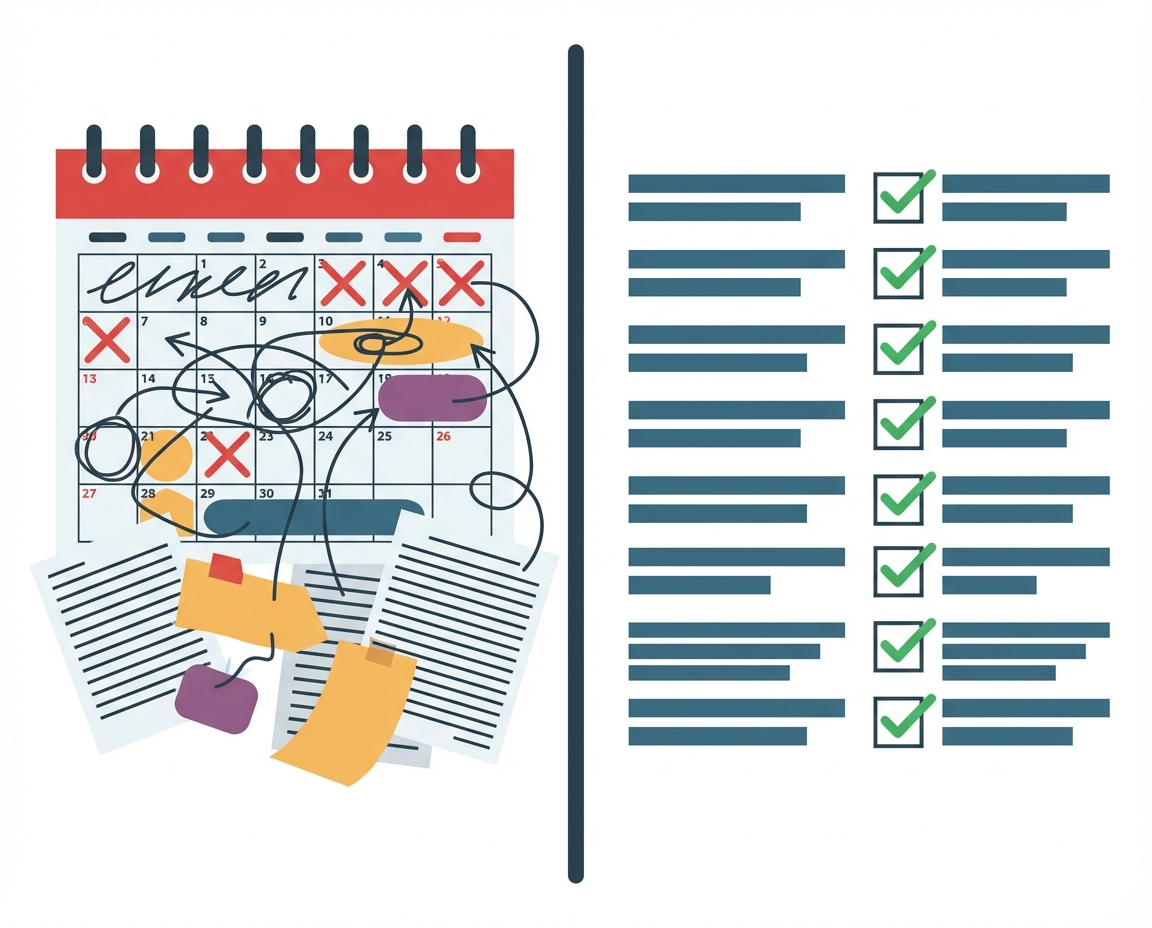
It is helpful to compare this approach to traditional instructional design to see where the value lies for a growing business. Traditional design is akin to building a custom home. It is tailored, unique, and takes a long time. Rapid eLearning is more like modular construction. It is efficient, standardized, and fast.
However, we must look at this scientifically. Does speed compromise quality? In traditional models, the ADDIE method (Analyze, Design, Develop, Implement, Evaluate) is rigid. Rapid eLearning often uses SAM (Successive Approximation Model), which is iterative and agile.
Consider these differences:
- Development Time: Traditional takes months; Rapid takes days or weeks.
- Cost: Traditional requires a larger budget for specialized labor; Rapid reduces costs by utilizing internal resources.
- Maintenance: Rapid content is easier to update because the source files are accessible and less complex.
When to utilize Rapid eLearning
Not every training situation calls for speed. If you are trying to change deep-seated behaviors or teach complex soft skills like conflict resolution, a rapid approach might lack the nuance required. However, for a business owner trying to keep a team aligned, there are specific scenarios where this methodology shines.
It is most effective when information has a short shelf life. If a product feature changes quarterly, spending three months building a course on it is a waste of resources. By the time the course is ready, the feature has changed again.
Use Rapid eLearning for:
- Product Knowledge: Updates on new features or specifications.
- Compliance: Annual regulatory updates that are straightforward.
- Onboarding: Getting new hires up to speed on basic company policies and tools.
- Software Training: Tutorials on how to use internal systems.
Questions we must ask about Rapid eLearning
As managers who want to build something lasting, we cannot simply embrace speed without scrutiny. There is a risk that Rapid eLearning becomes a dumping ground for PowerPoint slides that no one reads. We have to ask ourselves if we are actually teaching or just disseminating information.
Does the template restrict the learning experience? Are we engaging the learner, or just checking a box? The data suggests that engagement drops if the interactivity is meaningless. Clicking “next” is not learning.
When you approach this, you should view it as an experiment in efficiency. You are testing whether agility can coexist with depth. It requires you to be vigilant. You must ensure that even though the vessel is built quickly, the content inside carries the weight and value your team deserves. Your goal is to empower them, not just to finish a task on your to-do list.