What is Sleep Hygiene?
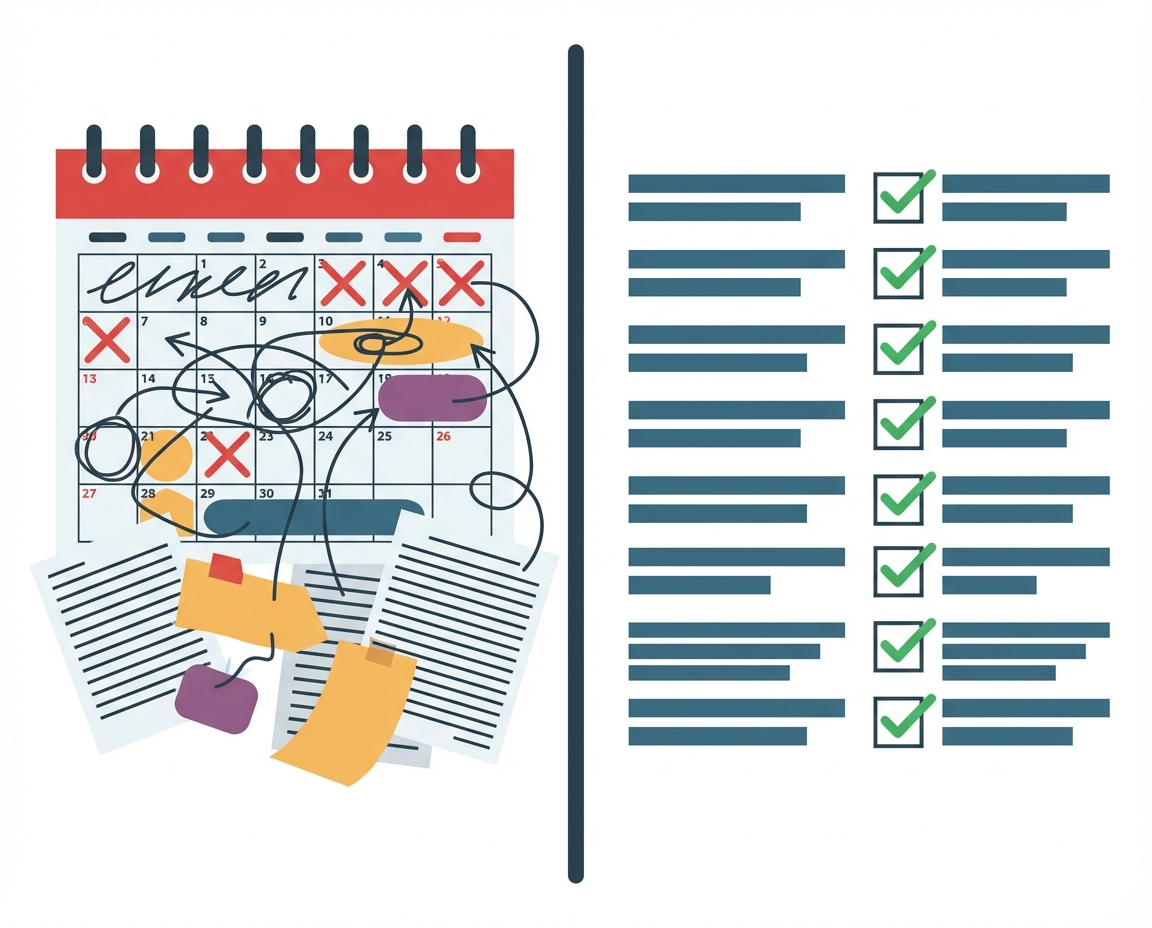
You are likely familiar with the feeling of physical exhaustion that somehow fails to translate into sleep. You lie there and your mind races through a checklist of payroll issues, personnel conflicts, and strategic pivots. For a business owner, the boundary between the office and the bedroom is often porous. This inability to disconnect is not merely a lack of discipline. It is often a result of poor sleep hygiene.
Sleep hygiene refers to the set of behavioral and environmental recommendations intended to promote healthy sleep. It is a clinical term that categorizes the habits that either support or dismantle your biological ability to rest. For a manager responsible for the livelihoods of others, understanding this concept is not about luxury or self-care trends. It is about maintaining the cognitive machinery required to operate a business.
Understanding the scope of sleep hygiene
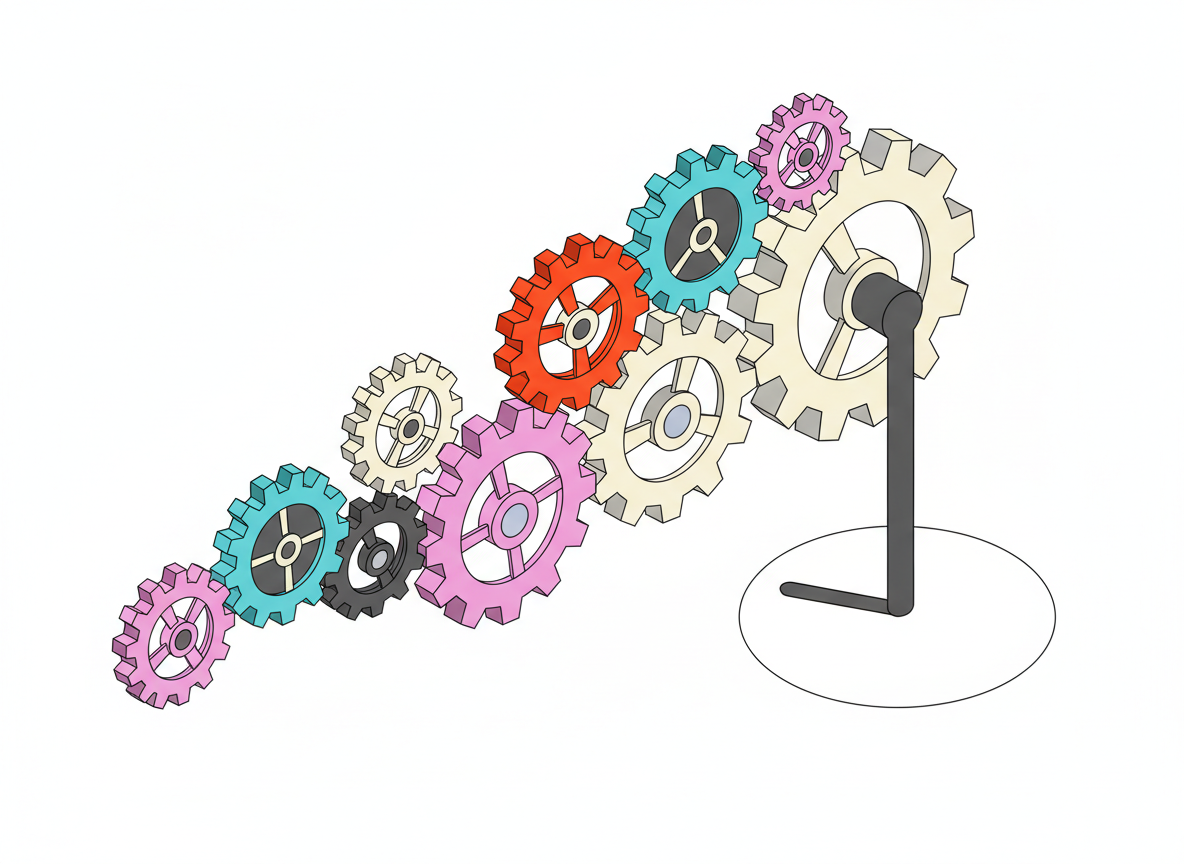
Many leaders view sleep as a passive state that happens when work is finished. Sleep hygiene reframes rest as an active process that requires preparation. It involves a variety of practices and environmental factors that are within your control. These factors work together to signal to the brain that it is time to transition from high-alert problem solving to restoration.
Key components of this framework include:
- Circadian alignment: Regulating the times you go to bed and wake up to anchor your internal clock.
- Stimulus control: Managing your intake of caffeine, alcohol, and light exposure in the hours leading up to bed.
- Environmental optimization: Controlling noise, temperature, and light levels in the sleeping area.
When these elements are neglected, the body remains in a state of hyperarousal. This makes the transition to sleep difficult and degrades the quality of the sleep you eventually get.
The biological impact on leadership
There is a distinct difference between sleep hygiene and sleep duration. You can technically spend eight hours in bed but still wake up fatigued if your hygiene is poor. This distinction is critical for decision makers. Poor hygiene often leads to fragmented sleep, which disrupts the cycles necessary for memory consolidation and emotional regulation.
From a physiological standpoint, lack of quality rest elevates cortisol levels. This stress hormone is useful in short bursts but detrimental when chronically high. For a manager, this manifests as:
- Decreased patience with staff errors.
- Reduced ability to foresee long-term consequences of immediate decisions.
- Higher susceptibility to burnout and emotional volatility.
We must ask ourselves if the late-night email response is worth the degradation of executive function the following morning. The science suggests that prioritizing hygiene preserves the neural pathways required for complex strategic thinking.
Implementing a sensory audit
Improving sleep hygiene requires a systematic audit of your environment and behaviors. It is not enough to simply wish for better rest. You must engineer an environment that compels it. This often means making unpopular decisions regarding your own habits and the layout of your home.
Consider these practical adjustments:
- Temperature control: The body needs to drop its core temperature to initiate sleep. Keeping a room cool is a biological necessity rather than a preference.
- Light discipline: Blue light from screens suppresses melatonin production. A strict cutoff time for devices allows your biochemistry to function as intended.
- Association: The bed should be reserved for sleep. Working from bed creates a psychological association between that space and professional stress.
Assessing the trade off
There is a prevailing narrative in business that suggests sleep is a commodity that can be traded for productivity. We often see sleeplessness worn as a badge of honor among entrepreneurs. However, the data points toward a different reality where rest is a fundamental pillar of performance.
As you evaluate your own routines, consider the unknown variables. We do not yet fully understand the long-term impact of chronic digital connectivity on sleep architecture. We are running an experiment on ourselves in real time. It is worth investigating whether your current struggle with anxiety or business clarity is a structural problem with your company or a physiological problem with your recovery.
By treating sleep hygiene with the same rigor you apply to your operational expenses or supply chain, you position yourself to lead with greater clarity. The goal is not just to sleep, but to wake up capable of handling the weight of your ambitions.