What is Succession Planning
You might wake up at 3 AM wondering what happens to your business if your lead operations manager or your head of sales decides to leave tomorrow. It is a heavy, isolating feeling. You have built this organization with significant effort and care. The idea of a key person departing feels like a potential structural failure. This is why understanding succession planning is vital for any manager who wants their vision to survive the inevitable changes of a growing team. It is not just a corporate buzzword for large conglomerates. It is a practical strategy for any business owner who wants to transition from being the sole point of failure to leading a resilient organization.
At its core, succession planning is the process of identifying and developing internal staff to fill key leadership positions within the company. It is a focused, deliberate effort to ensure that when a role becomes vacant, there is a qualified person already prepared to step into it. This process goes beyond simply having a backup contact. It involves a clear roadmap of training, mentorship, and responsibility sharing. It allows you as a manager to breathe easier knowing the future of the company does not rest on a single individual.
Defining Succession Planning
Succession planning functions as a form of insurance for your business operations. It focuses on the long term health of the organization by looking at the potential of the people currently on your payroll. Rather than looking outward when a gap appears, you look inward to see who is ready for a challenge. This requires a shift in mindset from seeing employees as people who perform tasks to seeing them as potential stewards of the business mission.
There are several core components to this process:
- Identification of critical roles that would cause significant disruption if left vacant
- Assessment of current staff members to find those with the desire and aptitude to lead
- Creation of specific development plans to bridge the gap between their current skills and future requirements
- Periodic reviews to ensure the plan remains aligned with the changing needs of the business
The Logistics of Internal Development
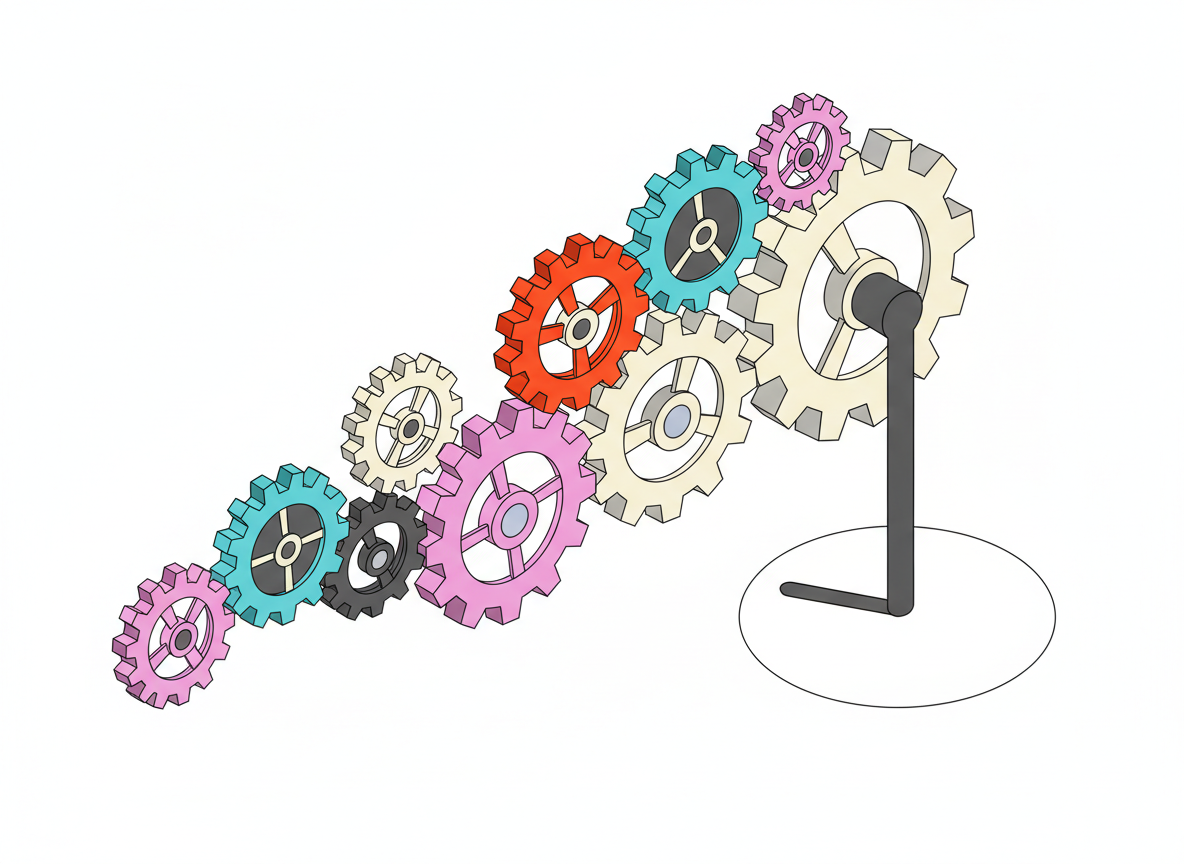
When you begin to develop internal talent, you are engaging in a specialized form of teaching. You are not just teaching someone how to do a job, you are teaching them how to think like a leader in your specific context. This involves transparency. You must be willing to share the challenges and the logic behind your decisions so they can learn the nuance of management.
Research into organizational behavior suggests that employees who see a clear path for advancement are more likely to stay engaged. They feel a sense of ownership over their career trajectory. For the manager, this reduces the constant pressure of recruiting. You are essentially building a pipeline of talent that grows as the business grows. It turns your staff into a community of people who are invested in the collective outcome.
Succession Planning vs Replacement Hiring
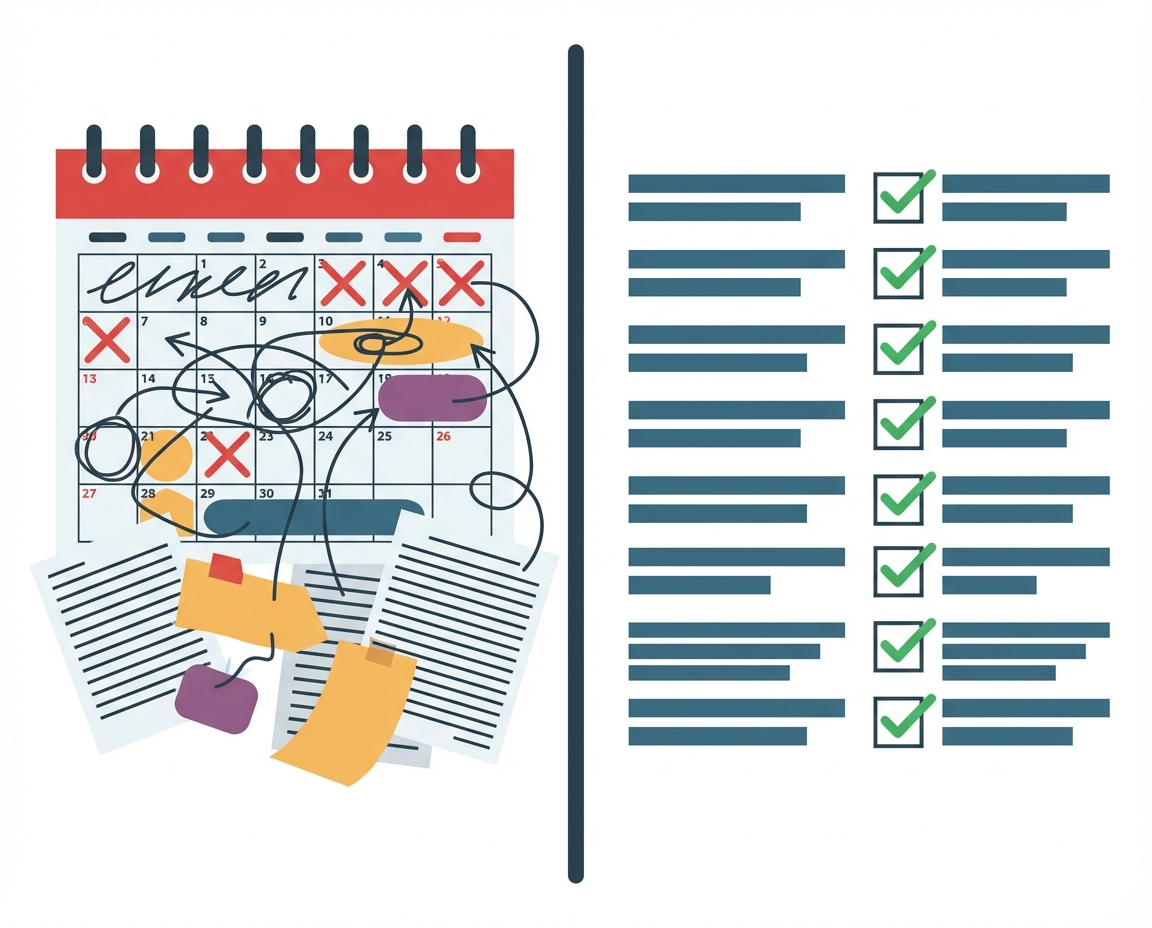
It is important to distinguish between succession planning and replacement hiring. Replacement hiring is a reactive measure. It happens when a seat is empty and you are forced to find someone to fill it immediately. This often leads to rushed decisions or settling for a candidate who might not fully understand the company culture.
Succession planning is proactive. It happens while everyone is still in their roles.
- Replacement hiring is often expensive due to recruiter fees and onboarding costs.
- Succession planning utilizes existing resources and institutional knowledge.
- Replacement hiring can cause a dip in productivity while the new person learns the ropes.
- Succession planning ensures a smooth transition with minimal loss of momentum.
While external hires can bring fresh perspectives, relying solely on them can create a sense of uncertainty among your existing team. They may feel there is a ceiling to their growth, which can lead to the very turnover you are trying to avoid.
Scenarios for Implementing a Plan
Succession planning is useful in several common business scenarios. For example, if you are planning to expand into a new market, you will need leaders you can trust to carry your culture to a new location. If a senior manager reaches retirement age, a multi year plan ensures their knowledge is transferred rather than lost. Even in the case of unexpected health issues or personal emergencies, having a plan in place prevents the business from grinding to a halt.
Consider these situations:
- A key technician expresses interest in management but lacks financial literacy skills.
- Two junior employees show high potential, and you need to decide how to mentor both without creating unhealthy competition.
- You are the founder and want to step back from daily operations to focus on long term strategy.
In each case, the plan provides a framework for decision making. It removes the guesswork and provides a clear set of criteria for progress. This clarity reduces stress for both the manager and the employees involved.
Navigating the Unknowns of Leadership Transitions
Despite the benefits, there are many questions that remain difficult to answer in this field. For instance, how do we accurately measure leadership potential versus mere technical proficiency? Someone might be a fantastic engineer but struggle with the emotional intelligence required to manage a team. There is also the question of timing. If a developed leader feels ready for a promotion but no spot is available, how do you keep them from taking their new skills to a competitor?
We also have to consider the psychological impact on the team. What happens to the morale of those who were not chosen for the succession path? Managing these perceptions is a complex task that requires constant communication. As a manager, you must balance the data of performance reviews with the fluid reality of human ambition. These unknowns are part of the journey of building a lasting business. By acknowledging them, you can approach your team with more honesty and build the trust required to keep the organization moving forward.