What is Synchronous Learning?
Running a business often feels like you are juggling a dozen spinning plates while riding a unicycle. You are constantly worried that if you stop moving, everything will come crashing down. One of the biggest sources of anxiety for managers is the feeling that their team is not aligned or that skill gaps are widening right under their noses. You want to support them, but you also need to keep the lights on.
In the rush to be efficient, we often rely on wikis, documentation, and pre-recorded videos to train our staff. While efficient, these methods sometimes lack the human element that cements understanding. This is where understanding the concept of Synchronous Learning becomes vital for a growing organization. It is not just educational jargon. It is a tool for building the shared reality your business needs to survive.
Defining Synchronous Learning
At its core, Synchronous Learning is any learning event where a group of people engages with the same material at the same time. The participants and the instructor are present simultaneously. This interaction can happen in a physical boardroom, over a Zoom call, or during a live webinar.
This format allows for real-time interaction. If a team member is confused, they can raise a hand and ask a question immediately. The instructor can read the room, seeing if eyes are glazing over or if heads are nodding in agreement. It creates a feedback loop that is impossible to replicate with static documents.
For a manager, this is about more than just transfer of information. It is about transfer of energy and culture. When you learn together, you are building a shared vocabulary and a shared history. You are validating that this specific knowledge is worth stopping the operational engine for an hour to prioritize growth.
Synchronous Learning vs. Asynchronous Learning
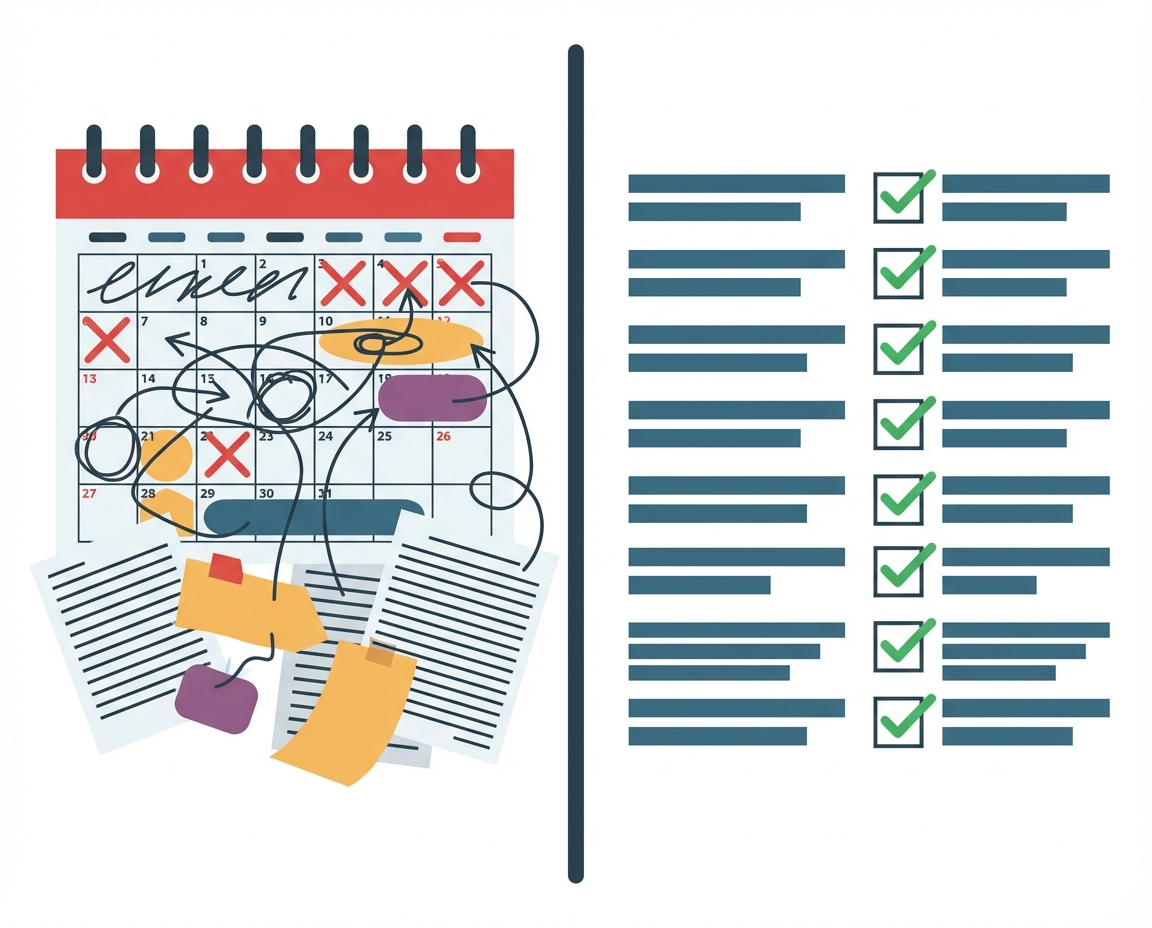
To understand the value of real-time sessions, we have to look at the alternative. Asynchronous learning happens on the learner’s own schedule. They read the PDF when they have time, or they watch the training video at 2x speed between meetings. This offers incredible flexibility and respects individual autonomy.
We do not know yet which method is definitively better for every single personality type, and that is an open question you should consider for your specific team. Some employees thrive on the pressure of live interaction, while others may feel put on the spot. Balancing these two methods is often where the art of management comes into play.
When to Deploy Synchronous Learning
Knowing the definition is easy, but knowing when to pay the high cost of simultaneous attendance is harder. Synchronous sessions are expensive. You are taking multiple salaries and dedicating that time to non-revenue generating activities. Therefore, you should use this method for high-stakes topics.
Use Synchronous Learning when nuance is critical. If you are rolling out a new company vision or changing a fundamental operational process, you cannot afford misinterpretation. You need to be there to field questions and clarify grey areas instantly.
It is also the best choice for topics that require debate or emotional processing. If your team needs to learn conflict resolution skills or discuss a recent project failure, doing so live allows for empathy and tone to carry weight that text simply cannot convey.
The Challenges of Synchronous Learning
The biggest hurdle for a busy business owner is scheduling. Finding a time that works for everyone is a logistical headache, especially if you have remote employees in different time zones. There is also the risk that the pacing will be wrong. Fast learners might get bored while others struggle to keep up, creating friction within the group.
You have to ask yourself if your infrastructure supports this. Do you have a moderator who can manage the flow of conversation so it does not devolve into chaos? Are you prepared to facilitate rather than just lecture?
Ultimately, choosing this method is a statement that connection matters as much as the content. It is an investment in the social fabric of your company. By struggling through the scheduling conflicts and the technical glitches of live sessions, you demonstrate that learning is a collective journey, not a solitary burden.