What is the Case Study Method?
You are building something real. You put in the hours and carry the mental load of a dozen different departments in your head. One of the most exhausting parts of running a business is the constant stream of decisions. Some are small and reversible while others feel like they could make or break the entire venture. You might often worry that you are missing a critical piece of information or that everyone around you knows some secret rulebook that you never received.
There is a tool used in higher education and corporate training that addresses this specific anxiety. It is called the Case Study Method. It is not a magic solution that predicts the future but it is a rigorous way to practice leadership without putting your actual payroll or reputation on the line. It moves beyond reading advice and forces you into the driver’s seat of a crisis that has already happened to someone else.
Understanding the Case Study Method
At its core the Case Study Method is a teaching approach that uses decision-forcing cases. Unlike a standard textbook that lists definitions or best practices these cases present a narrative. They put you in the role of a protagonist who is facing a difficult decision at a specific point in history.
The case usually provides:
- Background on the company and industry
- Financial data and market research available at that time
- Conflicting opinions from internal stakeholders
- A specific deadline or pressure point
The goal is not to memorize what the company did. The goal is to analyze the data and decide what you would do if you were in that chair. It is a simulation of the messy ambiguity you face every day.
Active Simulation vs Passive Learning
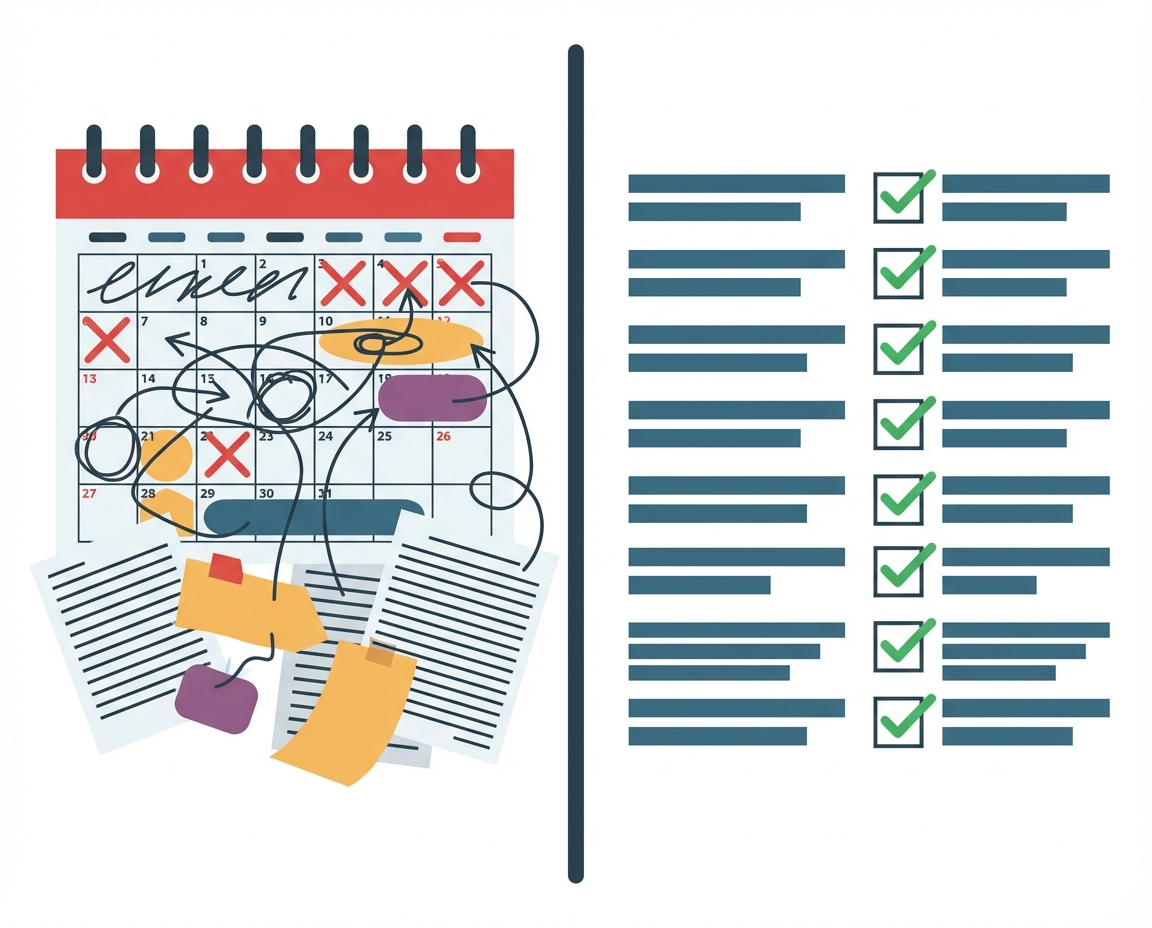
Most business advice is passive. You read a book about how to manage people and you nod along because the concepts make sense in the abstract. However real life is rarely abstract. Real life is an employee asking for a raise when cash flow is down or a competitor launching a product that makes your inventory obsolete.
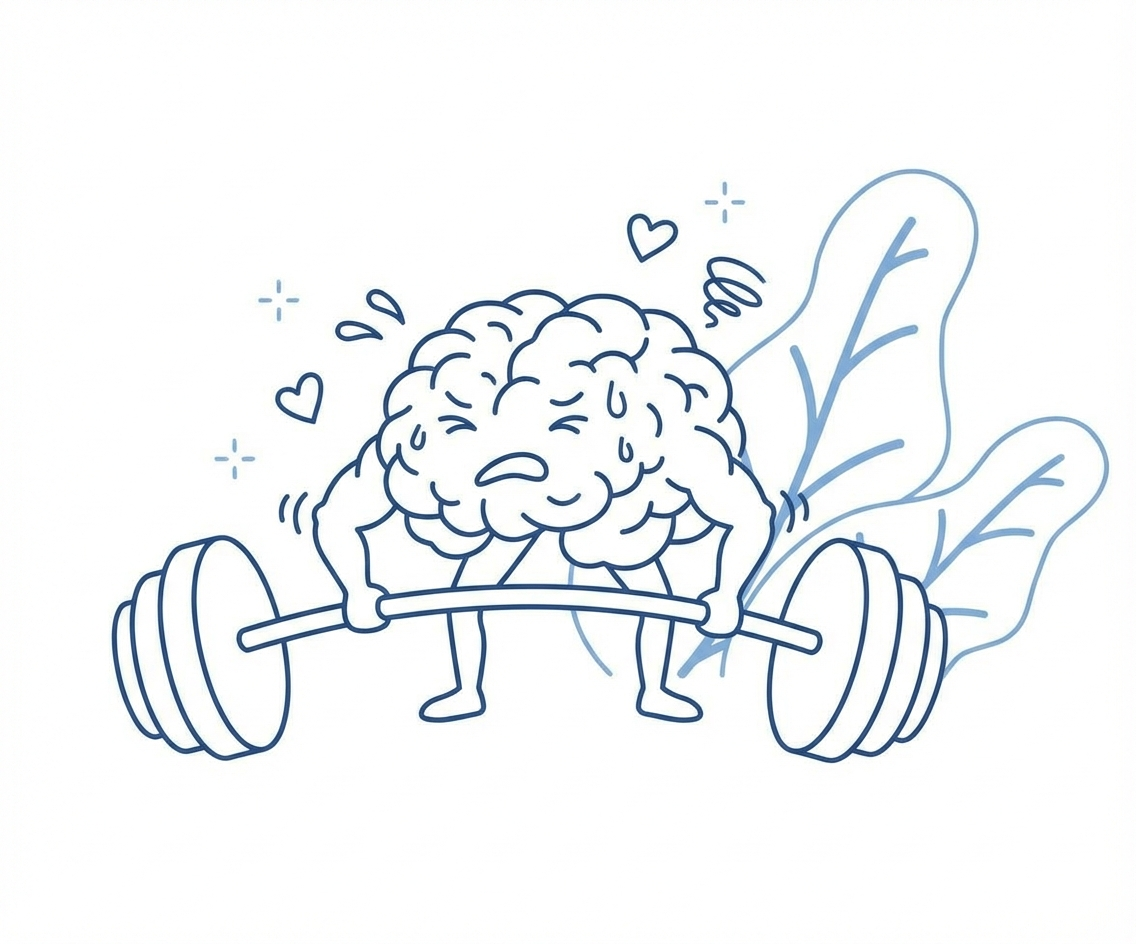
The Case Study Method differs from passive learning because it requires you to take a stance. You cannot simply observe. You have to process information that is often incomplete or contradictory. This builds a very specific type of muscle memory for managers. It helps you become comfortable with the fact that you will rarely have 100 percent of the information you need to make a call.
Using Case Studies with Your Team
While this method is powerful for personal growth it becomes even more effective when used as a tool for team alignment. As a manager you want your staff to think critically and understand the broader implications of their work. You can use case studies to facilitate this growth.
- Select a relevant scenario: Find a case that mirrors a challenge your business creates or faces.
- distribute the facts: Let the team read the background information without knowing the historical outcome.
- Debate the decision: Ask your team what they would do. Encourage them to defend their choices with the data provided.
This process reveals how your team thinks. It exposes gaps in their understanding of the business model and allows you to guide them without micromanaging their actual daily tasks.
The Limits of Historical Data
We must approach this method with a scientific mindset. While case studies are excellent for pattern recognition they are not perfect predictors. Every business situation has variables that cannot be captured in a written document. Culture, timing and sheer luck play roles that are difficult to analyze retroactively.
When you review a case you are looking at a snapshot of the past. The danger lies in assuming that because a strategy worked for a tech giant in 1990 it will work for your startup today. We still do not know how emerging technologies change the fundamental rules of these historical cases. You have to ask yourself which parts of the lesson are timeless principles of human behavior and which parts are just artifacts of that specific time period.
By treating these scenarios as a gymnasium for your decision-making skills rather than a rulebook you can reduce the stress of the unknown. You can build the confidence that comes from having solved a hundred problems before you even walk through your office door in the morning.