What is the Critical Incident Method?
You are sitting at your desk late at night. The office is quiet, or maybe the house is quiet, and the glowing cursor on your screen is blinking at you. It is performance review season. You care about your team. You want them to grow. You want to give them feedback that actually matters. But as you look at the blank form for an employee you manage, your mind goes blank.
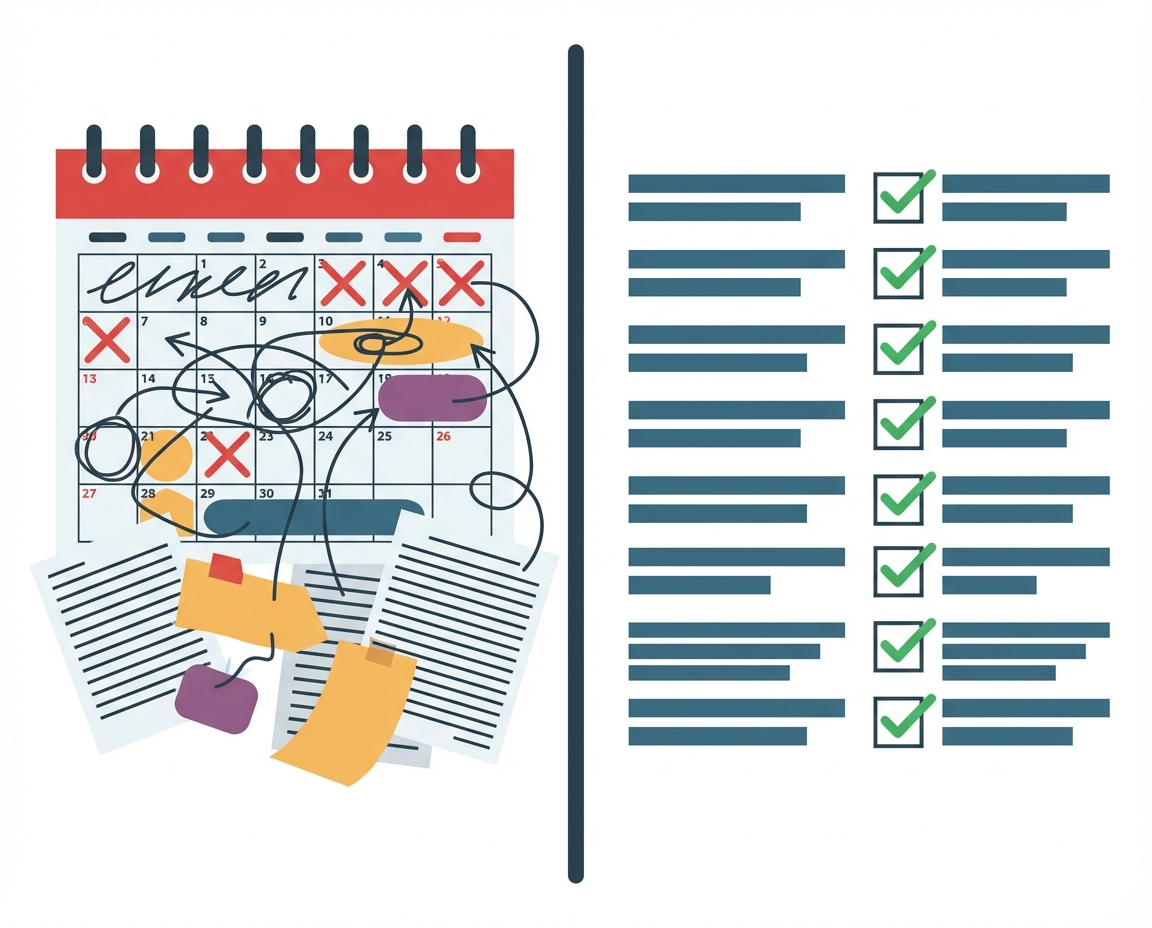
You can remember what they did last week. You can vividly recall the mistake they made yesterday. But for the life of you, you cannot recall the specific details of that project from six months ago where they supposedly shined. You feel a knot in your stomach because you know you are about to write a generic review based on your most recent memories rather than a full year of work.
This is a universal struggle for business owners and managers. We want to be fair, but our brains are not wired to hold onto data for that long without help. This is where the Critical Incident Method comes into play. It is not a magic wand, but it is a disciplined approach to making sure your feedback is grounded in reality rather than vague feelings.
Defining the Critical Incident Method
At its core, the Critical Incident Method is a performance appraisal tool where a manager keeps a running log of specific examples of an employee acting effectively or ineffectively. It moves the conversation away from personality traits and anchors it in observed behavior.
Instead of checking a box that says an employee has “good communication skills,” you would look at your log and find a specific entry. It might note that on February 12th, the employee successfully de-escalated a conflict with an angry client by listening patiently and offering a refund. Conversely, it might note that on May 4th, the employee failed to update the team on a delayed shipment, causing a supply chain bottleneck.
The key components of this method include:
- Observation: You must actually see or have verified reports of the behavior.
- Documentation: It must be written down near the time it occurred.
- Specificity: It details what happened, how the employee acted, and the consequence of that action.
Combating Recency Bias with the Critical Incident Method
One of the most dangerous traps we fall into as leaders is recency bias. This is the psychological tendency to give greater importance to the most recent events. If an employee is average all year but pulls a miracle in the last month, they get a stellar review. If a star performer makes one error the week before reviews, they get a poor rating.
Using this method allows you to flatten the timeline. By recording incidents throughout the year, you create a dataset that represents the entire period. This protects your business. It ensures that promotions and raises are based on consistent value, not just recent visibility. It also protects the employee from being judged solely on their worst day or their luckiest week.
Comparing the Critical Incident Method to Standard Rating Scales
Most of us are used to the 1-to-5 rating scale. While those scales provide quantitative data that is easy to put into a spreadsheet, they often lack the context required for growth. A “3 out of 5” tells an employee they are average, but it does not tell them how to become a “5.”
The Critical Incident Method provides the narrative that explains the number. It acts as the evidence file. While a rating scale is a snapshot, critical incidents are the documentary film. Using them together is often the most robust approach.
- Rating Scales: Good for quick comparisons and data aggregation.
- Critical Incident Method: Good for development, coaching, and legal justification for termination or promotion.
Navigating the Challenges of Documentation
While this sounds logical, it introduces questions we have to ask ourselves about the culture we are building. If you are constantly writing down what people do, does it feel like surveillance? There is a risk that this method can feel like you are keeping a “black book” of errors to use against people.
To use this successfully, transparency is required. You have to ask yourself if you are recording positive incidents with the same vigor as negative ones. If your log is only filled with mistakes, you are not building a business; you are building a case for firing someone. That creates fear, and fear kills creativity.
The goal is to catch people doing things right just as often as you catch them slipping. When you sit down for that review, you can present a balanced view. You can say, “I noticed these three specific times you helped the team, and here is one specific time where you checked out.” That is not an attack. That is data. And data helps us build something that lasts.