What is the Employee Lifecycle?
You spend countless hours agonizing over the right hire. You worry if they will fit in, if they will deliver, and ultimately, if they will stay. This anxiety is common among business owners who want to build something lasting. It helps to view employment not as a single transaction or a daily grind, but as a distinct journey with a beginning, middle, and end. This concept is known as the Employee Lifecycle.
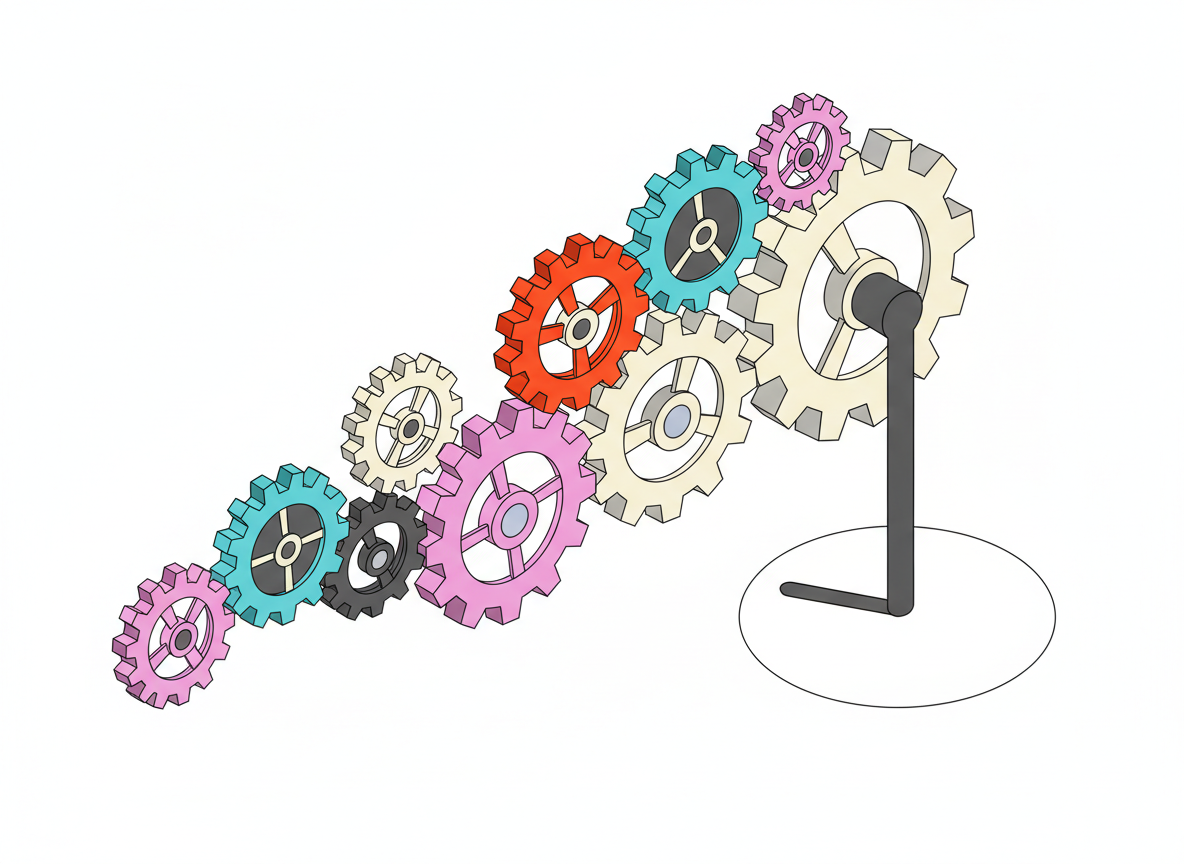
The Employee Lifecycle is a visualization of the chronological journey a staff member takes with your organization. It acknowledges that employment is not static. It moves through specific phases, and understanding where each team member sits on this timeline provides you with a framework to manage them better. Instead of guessing what a team member needs, you can look at their stage in the lifecycle and apply the appropriate support.
The Five Stages of the Employee Lifecycle
Most organizational models break this journey down into five specific phases. Recognizing these distinct buckets helps you organize your HR processes and management style effectively.
- Recruitment: This includes everything before the first day. It covers writing the job description, interviewing, and the negotiation process. It sets the tone for the entire relationship.
- Onboarding: This is the critical integration phase. It is where the promises made during recruitment are tested against reality. It involves training, introductions, and cultural assimilation.
- Development: Once settled, the employee seeks growth. This stage focuses on skill acquisition, feedback, and expanding responsibilities.
- Retention: This is often the longest phase. It involves keeping the employee engaged, compensated fairly, and challenged so they remain a high performer.
- Exit: Finally, the employee leaves. This includes resignation, termination, or retirement, and the offboarding process that follows.
Employee Lifecycle vs Employee Experience
Think of the Lifecycle as the itinerary for a trip, while the Experience is how much the traveler enjoyed the vacation. You need the itinerary to ensure the logistics work, but you need to pay attention to the experience to ensure the traveler wants to return. When you look at your business, ask yourself if you have a clear process for the Lifecycle stages. Then ask if the emotional experience within those stages aligns with the values you want to build.
Using the Employee Lifecycle to Reduce Management Stress
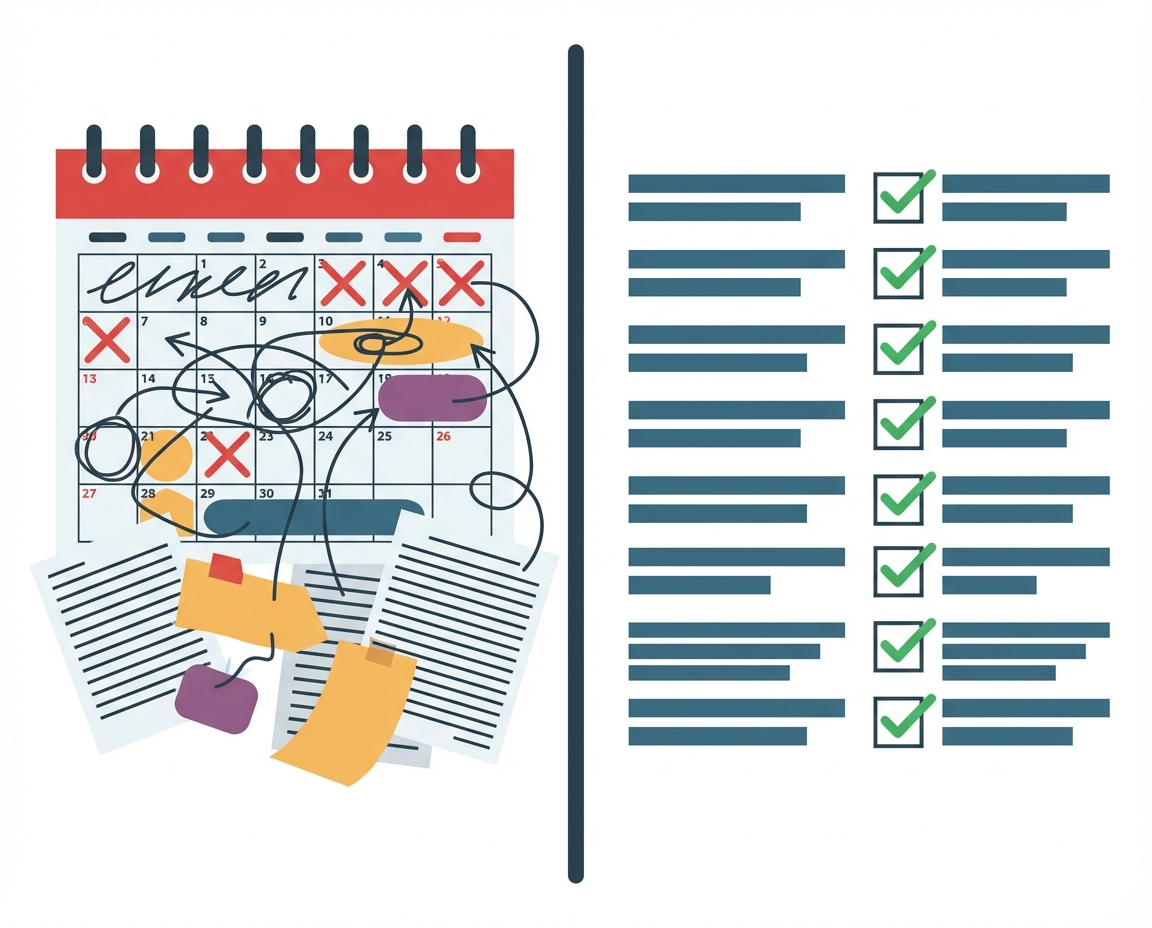
One of the biggest sources of stress for founders is the feeling of chaos. People problems often feel unpredictable. By applying the Employee Lifecycle model, you introduce predictability to personnel management.
If you know that every employee will eventually reach the Exit stage, you can prepare for it. You are not blindsided when someone leaves because you accept it is a natural part of the cycle. You can build systems for knowledge transfer before the resignation letter hits your desk. If you know the Development stage is inevitable, you can budget for training before an employee complains about stagnation.
Using this model allows you to move from a reactive state where you are putting out fires to a proactive state where you are building fire exits and smoke detectors. It shifts the burden from your gut instinct to a structured approach.
Analyzing Gaps in Your Current Lifecycle
There is no need for complex software to start using this framework. You can simply look at the five stages and ask hard questions about your current operations. Where are the friction points in your business right now?
Are you great at Recruitment but terrible at Onboarding? This usually results in confusion and early turnover. Are you excellent at Development but struggle with Retention? This often means you are training employees for your competitors because you lack a strategy to keep them.
Adopting a scientific stance allows you to test variables. If you change how you handle the Exit stage, does it improve your reputation in the market and aid Recruitment? If you invest more in Onboarding, does it shorten the time to productivity in the Development stage? Viewing your team through this lens removes the emotion and helps you make data-backed decisions.