What is Virtual Instructor-Led Training (VILT)?
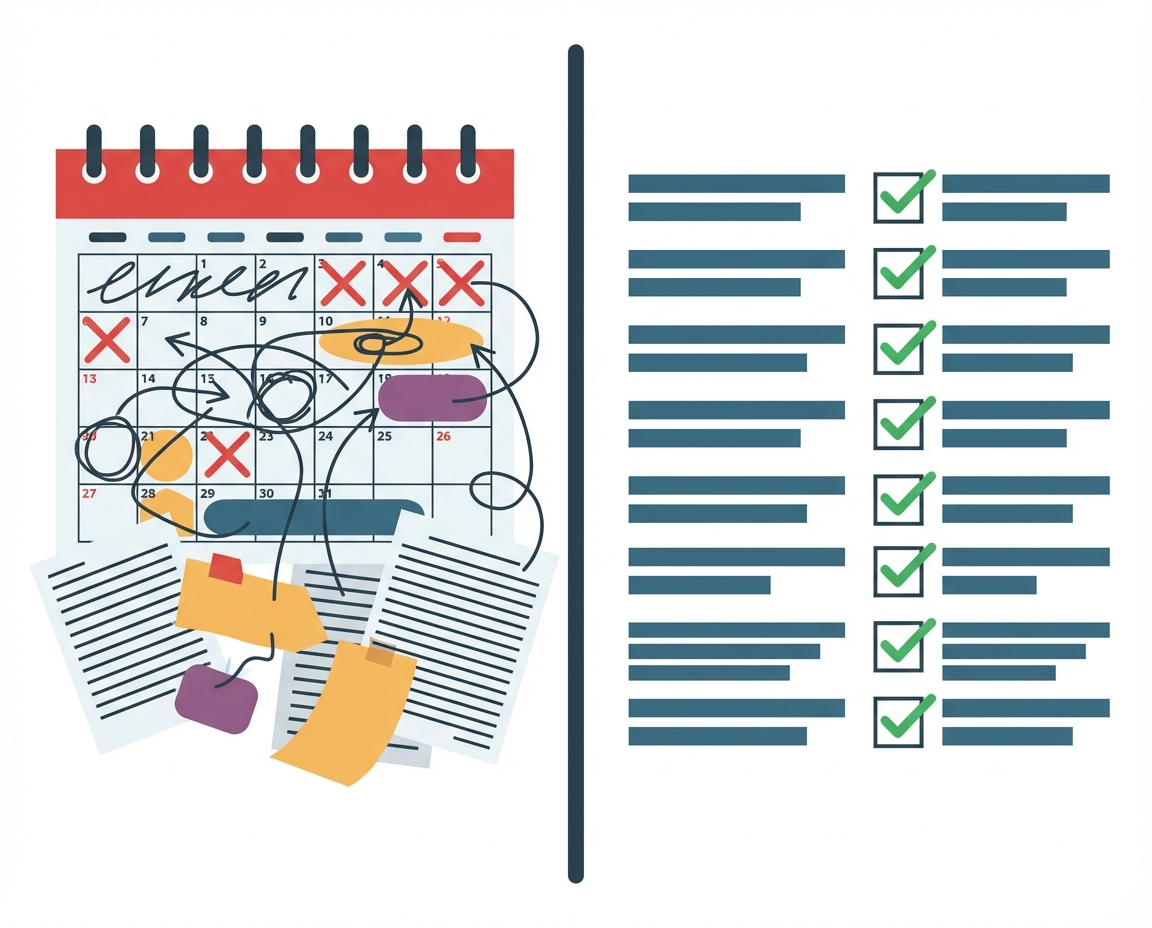
Building a team is hard work. You spend months finding the right people and convince them to join your vision. You onboard them and hand them the tools they need to succeed. Then you realize that the learning process never really stops. In the past managing a team meant walking into a conference room with a whiteboard and mapping out the next quarter. You could look people in the eye and gauge their understanding immediately.
Now your team might be scattered across time zones or working in a hybrid model. You worry that sending them a link to a pre-recorded video series feels impersonal and isolating. You fear that without that human connection the training will not stick and your team will feel unsupported. This is the specific gap that Virtual Instructor-Led Training or VILT is designed to fill. It is not just about technology but about maintaining the human element of mentorship and guidance in a digital space.
Understanding Virtual Instructor-Led Training
VILT is training delivered in a virtual environment where the instructor and learners are in separate locations but connected synchronously. The key word here is synchronous. Unlike self-paced e-learning where an employee watches a video on their own time VILT happens live. Everyone logs in at the same specific time.
The instructor presents material via video conferencing software and the learners have the ability to interact. They can ask questions in real time. They can participate in polls. They can break out into smaller groups for discussion. It attempts to replicate the classroom experience without the logistical nightmare of flying everyone to a single headquarters.
For a manager this distinction is critical. You are not just buying content. You are investing in an event that requires coordination and presence. It signals to your team that their development is a priority that deserves reserved time on the calendar rather than something they should squeeze in between emails.
Comparing VILT to Asynchronous Learning
It is helpful to weigh VILT against asynchronous learning methods like pre-recorded webinars or slide decks. Asynchronous learning is convenient. It is often cheaper and easier to scale because one asset can serve thousands of employees. However it often suffers from low engagement rates. It is easy for an employee to press play and then get distracted by a slack notification.
VILT offers higher engagement through accountability and social pressure. When there is a live human on the other end asking questions it is much harder to zone out. However VILT comes with higher costs and scheduling complexities. You have to align schedules which can be a headache for global teams.
- VILT: High engagement, real-time feedback, social connection, harder to schedule.
- Asynchronous: High flexibility, lower cost, scalable, potential for isolation.
The Technical and Cultural Requirements
Implementing VILT successfully requires more than just a Zoom license. It forces you to ask difficult questions about your current infrastructure and culture. Do your employees have reliable internet connections that can handle streaming video without frustration? Do they have quiet spaces where they can speak up without background noise?
Beyond the hardware there is the issue of psychological safety. In a physical room body language is easy to read. In a virtual room silence can feel heavy. A good VILT session requires an instructor who is skilled specifically in virtual facilitation. They need to know how to draw people out who might be hiding behind turned-off cameras.
As a leader you must consider if your team culture supports this interaction. Are your people comfortable admitting they do not understand a concept in a group chat? Or will they stay silent to avoid embarrassment? These are unknowns that you will need to test and observe.
When to Deploy VILT Strategies
Not every topic requires a live instructor. Using VILT for simple compliance updates or standard operating procedure reviews is likely a waste of resources. Those topics are factual and require little nuance.
VILT shines when the topic involves soft skills or complex problem solving. If you are training your team on conflict resolution or leadership strategies or complex sales negotiations the nuance matters. The ability to role-play in a breakout room and get immediate correction from an expert is invaluable.
- Use VILT for: Team building, soft skills, complex software rollouts, leadership workshops.
- Use Self-Paced for: Compliance, simple data entry, policy updates, factual rote memorization.
Your goal is to build a team that feels competent and cared for. By choosing the right medium for their training you demonstrate that you value their time and their growth.