Workplace Learning: A Practical Definition for Modern Leaders
What Workplace Learning Actually Means
You have built a team because you believe in their potential. You see the raw talent and the drive that matches your own. But you also know that the skills they walked in with today might not be enough for the challenges your business will face six months from now. This is where workplace learning enters the picture.
Workplace learning is defined as the acquisition of knowledge, skills, behaviors, or attitudes by formal or informal means that occurs in the work environment. It is the continuous process through which your employees improve their performance and adapt to changes within your organization.
It is easy to mistake this term for corporate seminars or mandatory compliance videos. However, true workplace learning is much broader. It encompasses the entirety of how your staff absorbs information. It happens when a senior employee corrects a junior staff member on a process. It happens during a structured workshop. It happens when a team member fails at a task and analyzes why.
The Spectrum of Acquisition
To manage effectively, you need to recognize that learning does not happen in a single format. It is helpful to view this concept through three distinct lenses.
- Formal Learning: This is structured and intentional. It includes courses, workshops, and certification programs. It is easy to track and measure.
- Social Learning: This occurs through interaction. It happens during mentoring sessions, peer reviews, and collaborative problem solving. It relies heavily on the culture you build.
- Experiential Learning: This is learning by doing. It involves tackling new projects, rotating roles, or troubleshooting real-time crises. This is often where the deepest retention occurs.
Understanding these distinctions allows you to stop relying solely on expensive courses and start leveraging the daily work environment as a classroom.
Training Versus Learning
A common point of confusion for many business owners is the difference between training and learning. While the words are often used interchangeably, the distinction is vital for a leader trying to build a resilient company.
Training is an event. It is something that is done to the employee. It is the act of transferring specific information or instructions. For example, showing someone how to use the inventory management software is training. It has a start and an end point.
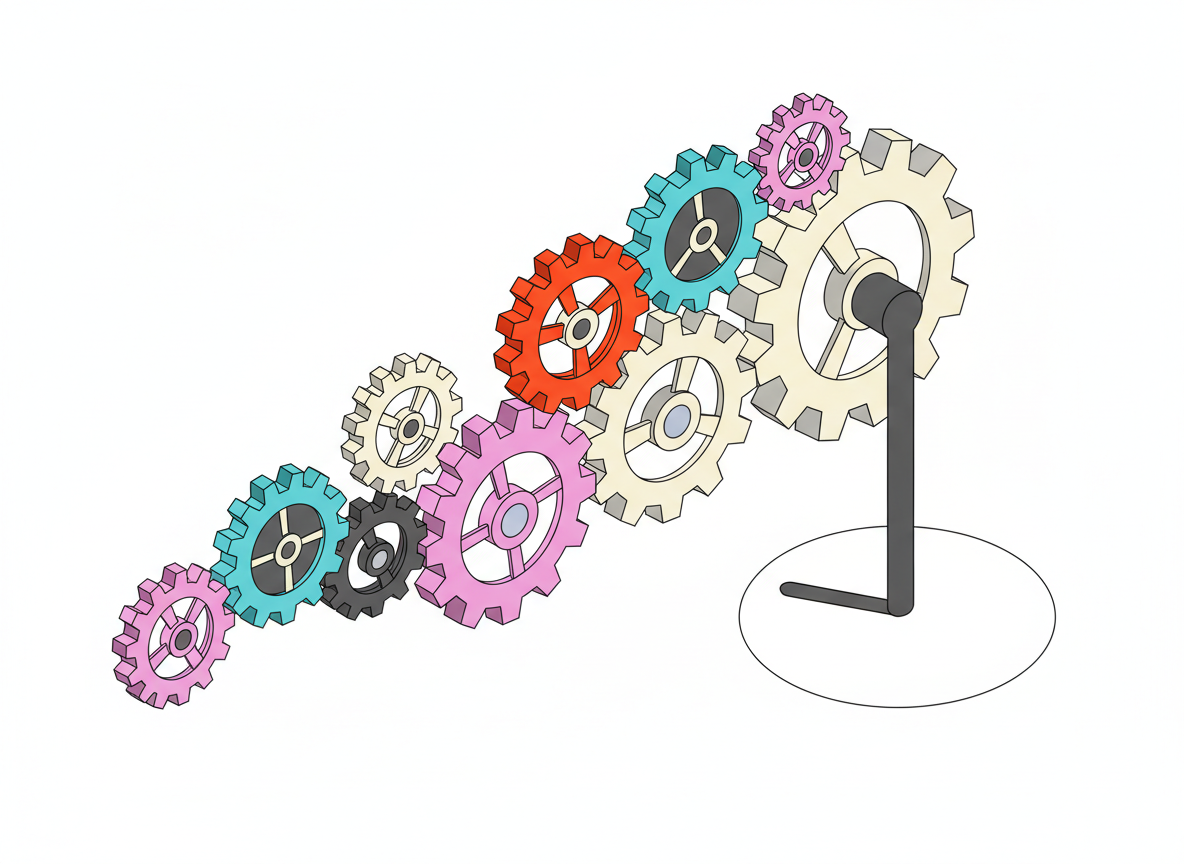
Learning is a process. It is something the employee does for themselves. It is the internalization of that training so that it changes behavior or understanding. If training is the input, learning is the outcome. You can train someone endlessly, but if they do not synthesize that information and apply it to new contexts, learning has not occurred.
Critical Scenarios for Application
There are specific moments in the lifecycle of your business where a focus on workplace learning becomes a strategic necessity rather than a nice to have perk. Recognizing these triggers can help you allocate your limited resources more effectively.
- Rapid Scaling: When you are hiring fast, informal tribal knowledge breaks down. You need to formalize how information is shared.
- Technological Shifts: If you introduce new tools, the team needs a safe space to practice, fail, and adapt without fear of retribution.
- Retention Issues: High performers often leave because they feel stagnant. A robust learning environment signals that you are investing in their future value.
The Unknowns of Measurement
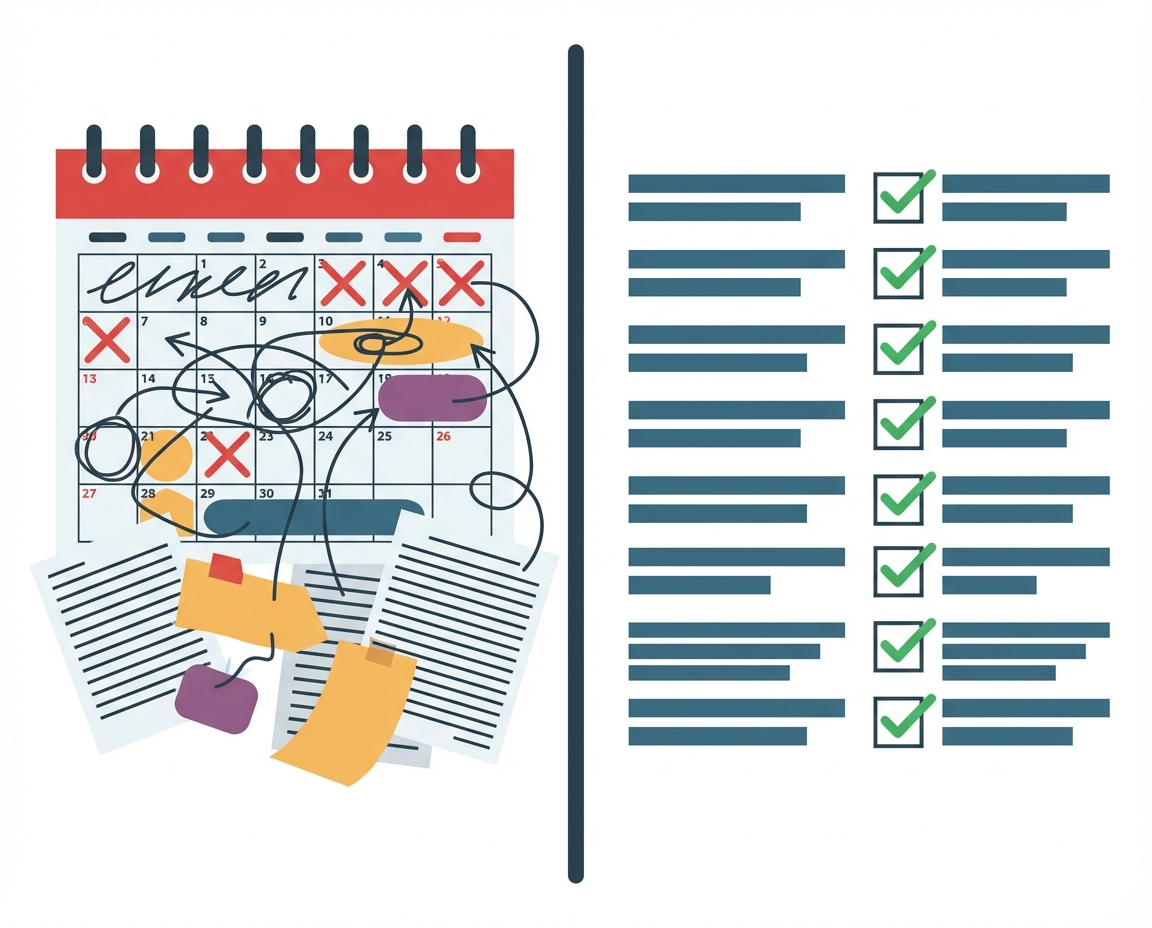
Despite the clear need for skill acquisition, managing workplace learning introduces complex variables that do not always fit into a spreadsheet. This is where many managers feel a sense of unease. How do you measure the ROI of a mentorship conversation? How do you quantify the value of a mistake that taught the team what not to do?
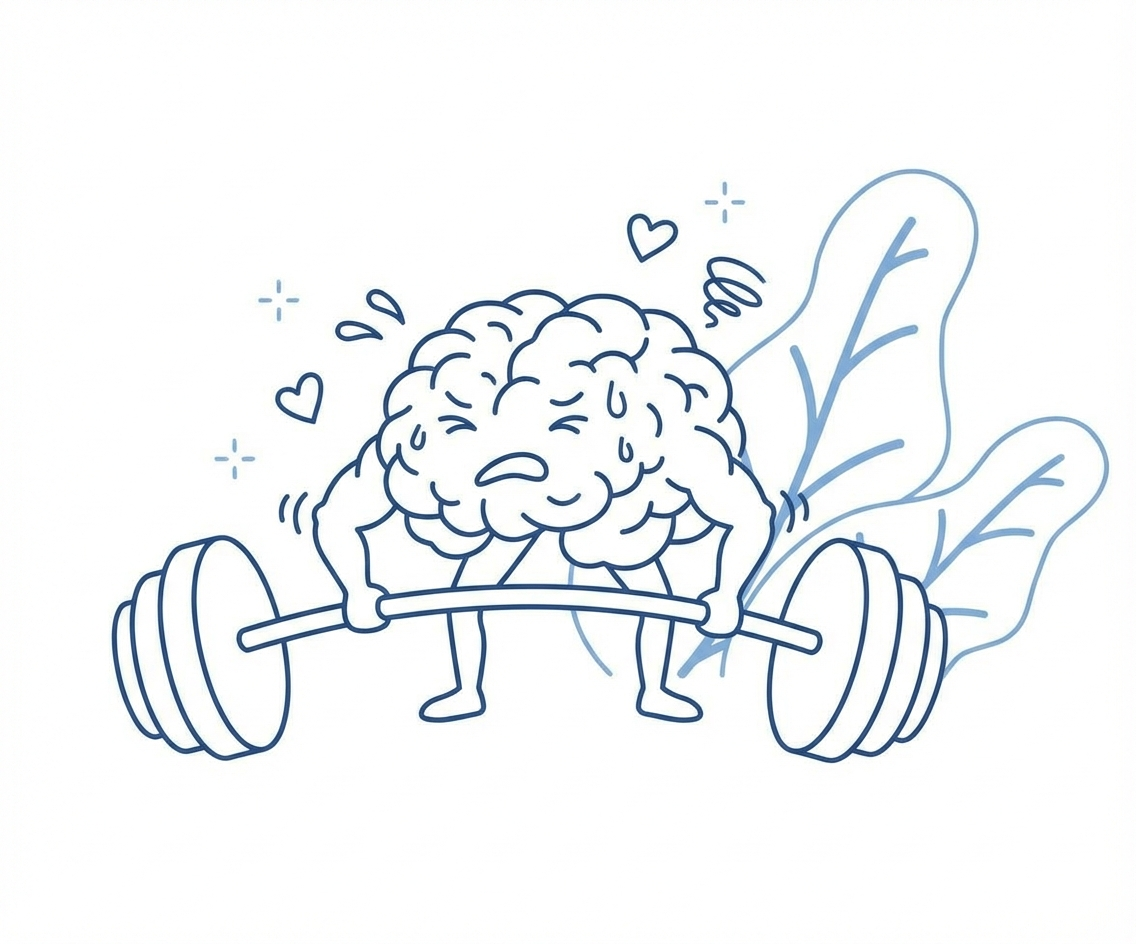
Science suggests that learning enhances neuroplasticity and adaptability, but in a quarterly business review, those metrics are invisible. As you evaluate your own approach, there are difficult questions you must ask yourself.
Is your desire for control stifling the messy process of experiential learning? Are you providing answers too quickly, preventing your staff from developing their own problem solving muscles? We do not always know the exact moment a concept clicks for an employee, but we do know that creating the environment for that click is the manager’s responsibility.