Navigating the Shift to a Skills Based Organization
You are likely sitting at your desk right now wondering if you are doing enough for your team. The weight of building a business that actually matters is heavy. You want to create something remarkable, but the path is often cluttered with vague advice and corporate jargon that does not help you on a Tuesday morning when a key project is stalling. Many managers feel a constant, low level fear that they are missing a vital piece of the puzzle. They see others with more experience and wonder if there is a secret manual they never received. The truth is that the landscape of work is changing under our feet. The old ways of defining people by their job titles are becoming less effective. This transition toward a skills based organization is not just a trend; it is a response to the reality that work is becoming more complex and fluid. You want to empower your staff to succeed, and that starts with understanding what they can actually do rather than what their resume says they once did.
Transitioning to the Skills Based Organization
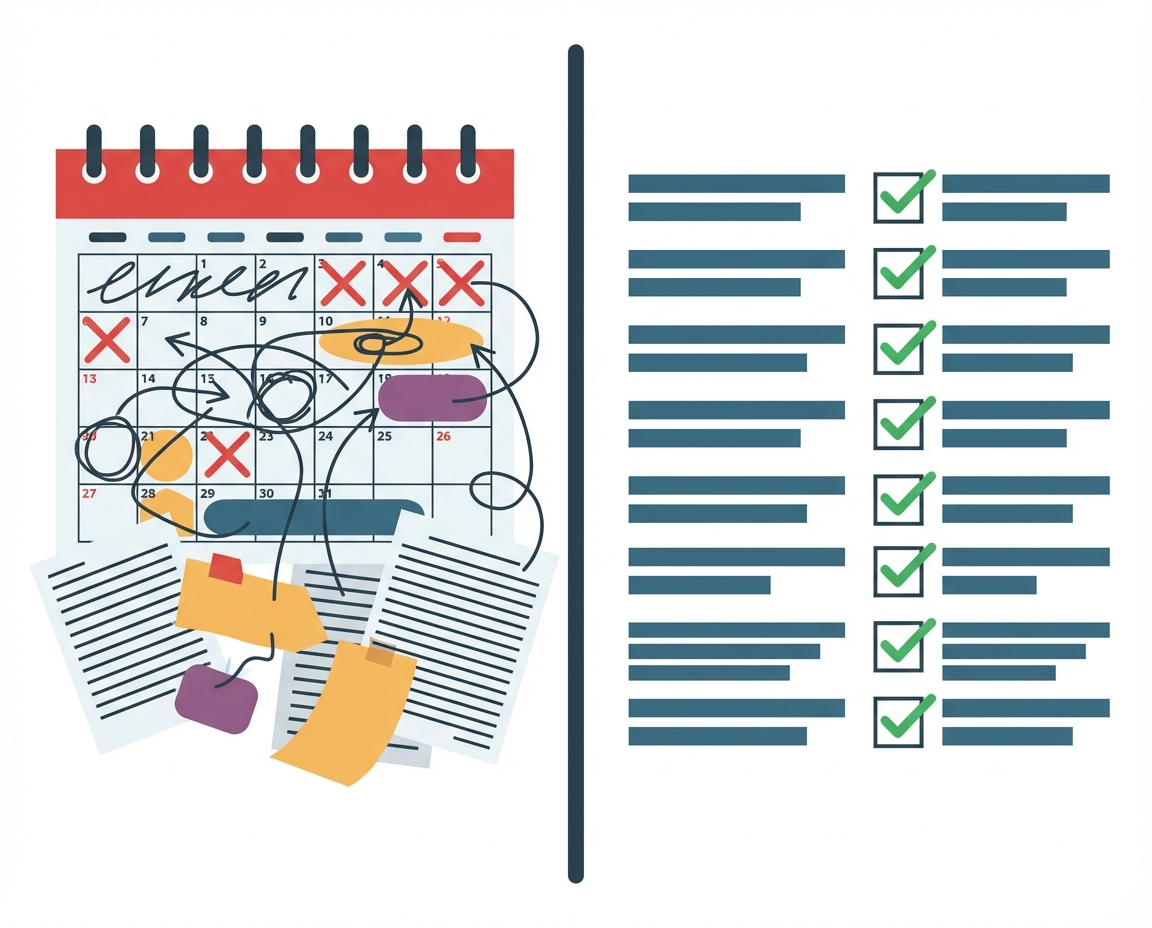
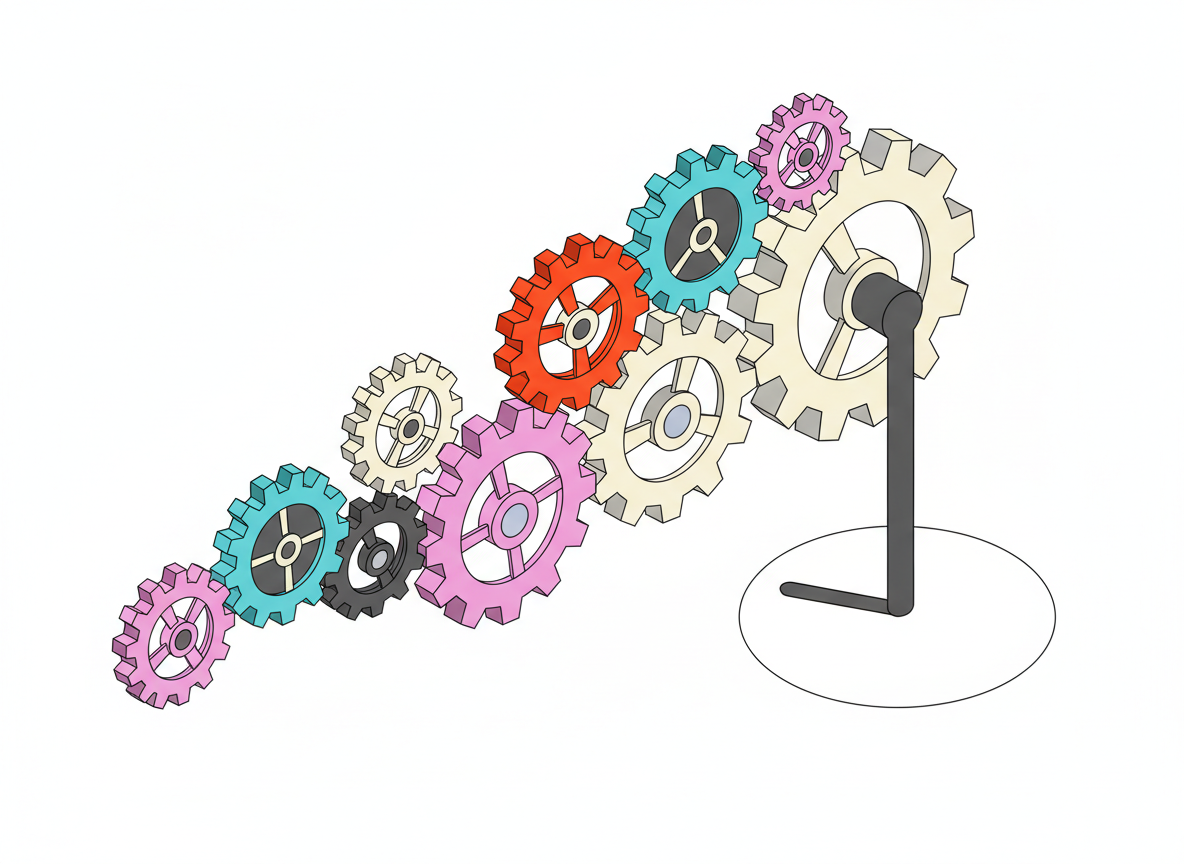
The move toward a skills based model requires a fundamental shift in how you view your workforce. In a traditional structure, we often pigeonhole employees into rigid roles. This creates bottlenecks where a talented person cannot help with a critical task because it falls outside their official job description. A skills based organization looks at the collective pool of abilities within the team and allocates those abilities to where they are needed most. This approach allows for greater agility and resilience. For a busy manager, this means less stress about finding the perfect person for a specific title and more focus on developing the right mix of talents. The core themes here involve transparency, flexibility, and a deep commitment to continuous learning. It is about building a solid foundation where the value is found in the work itself and the growth of the people performing it. You are not just filling seats; you are building a dynamic engine of capability.
Understanding the Framework of Skill Taxonomies
To manage this transition, you need a way to categorize and track the abilities of your team. This is often referred to as a skill taxonomy. It is essentially a map of the various competencies required to run your business and the proficiency levels of your employees in each area. This sounds technical, but it is a practical tool for decision making.
- Hard skills are specific, measurable abilities like coding or financial auditing.
- Soft skills include communication, empathy, and problem solving.
- Durable skills are those that remain relevant despite technological shifts.
By creating a clear inventory of these items, you remove the guesswork from your management duties. You no longer have to wonder who is best suited for a new initiative. The data tells you. This transparency helps your employees too. They can see exactly what they need to learn to advance, which builds confidence and reduces the uncertainty that often leads to burnout. It turns the workplace into a clear path for growth rather than a confusing maze of politics.
Comparing Skills Based Hiring to Traditional Credentials
When you are looking to grow your team, the traditional approach is to look for specific degrees or years of experience. However, research suggests that these credentials are often poor predictors of actual job performance. A skills based hiring approach focuses on what a candidate can demonstrate right now. When you compare the two, several differences emerge:
- Credentials look backward at past attendance, while skills look forward at present capability.
- Traditional hiring often excludes talented individuals who took non traditional paths to gain their expertise.
- Skills based hiring allows for a more diverse and adaptable team because it values the outcome over the pedigree.
For a manager trying to build something world changing, the latter approach is far more effective. It allows you to find hidden gems that your competitors might overlook because they are stuck in old ways of thinking. It also ensures that your new hires can hit the ground running because you have already verified they have the tools necessary for the job.
Deconstructing Traditional Instructional Design and Corporate Branding
One of the biggest hurdles in developing a talent pipeline is the way we train our people. Traditional instructional design often falls into the trap of over branding. We have all seen the courses where every slide is covered in corporate logos and the company color palette is used to the point of distraction. This approach backfires. When a course feels like a corporate advertisement, it loses its impact as a genuine tool for personal growth. It starts to feel like propaganda rather than education.
We need to rethink logo placement and the overall aesthetic of our internal training. If you want your employees to truly learn and develop new skills, the focus must be on them, not on the brand. A minimalist approach that prioritizes clear information and practical application will always be more effective than a high production video that is mostly marketing fluff. When you remove the corporate mask from your training materials, you signal to your team that you care about their individual development. You are providing them with value because you believe in their potential, not just because you want them to be brand ambassadors. This builds a deeper level of trust and encourages a culture of honest learning.
Scenarios for Effective Skill Allocation in Small Teams
Consider a scenario where your business is facing a sudden shift in the market. In a title based organization, you might feel forced to hire a new specialist or lay off staff who seem redundant. In a skills based organization, you look at your map of abilities. Perhaps your marketing manager has a background in data analysis that has been untapped. Or maybe your customer service lead has a natural talent for project management.
- You can reassign tasks based on current needs without changing formal titles.
- You can create cross functional teams to solve specific problems using diverse skill sets.
- You can identify where a small amount of targeted training could unlock a massive increase in productivity.
This flexibility is a superpower for a small business owner. It allows you to do more with less and keeps your team engaged because they are constantly being challenged in new ways. It transforms management from a game of chess with fixed pieces into a fluid process of collaboration.
Addressing the Unknowns in Modern Talent Management
Despite the benefits, there are still many questions we have not fully answered. How do we accurately measure a skill that is constantly evolving? How do we ensure that our skill taxonomies do not become just another form of rigid bureaucracy? These are the questions you should be asking yourself as you build your organization. There is no perfect system, and it is okay to admit that you are learning alongside your team.
What matters is the commitment to a culture of curiosity and competence. You are building something solid, and that requires constant adjustment. We do not yet know how artificial intelligence will redefine what skills are most valuable in five years. We do not know how the global workforce will shift. What we do know is that a manager who focuses on the real abilities of their people will always be better prepared for the unknown than one who relies on outdated titles and corporate branding. Keep building, keep questioning, and keep focusing on the human potential within your team. That is how you create a business that is truly remarkable.