Navigating the Transition to a Skills Based Organization
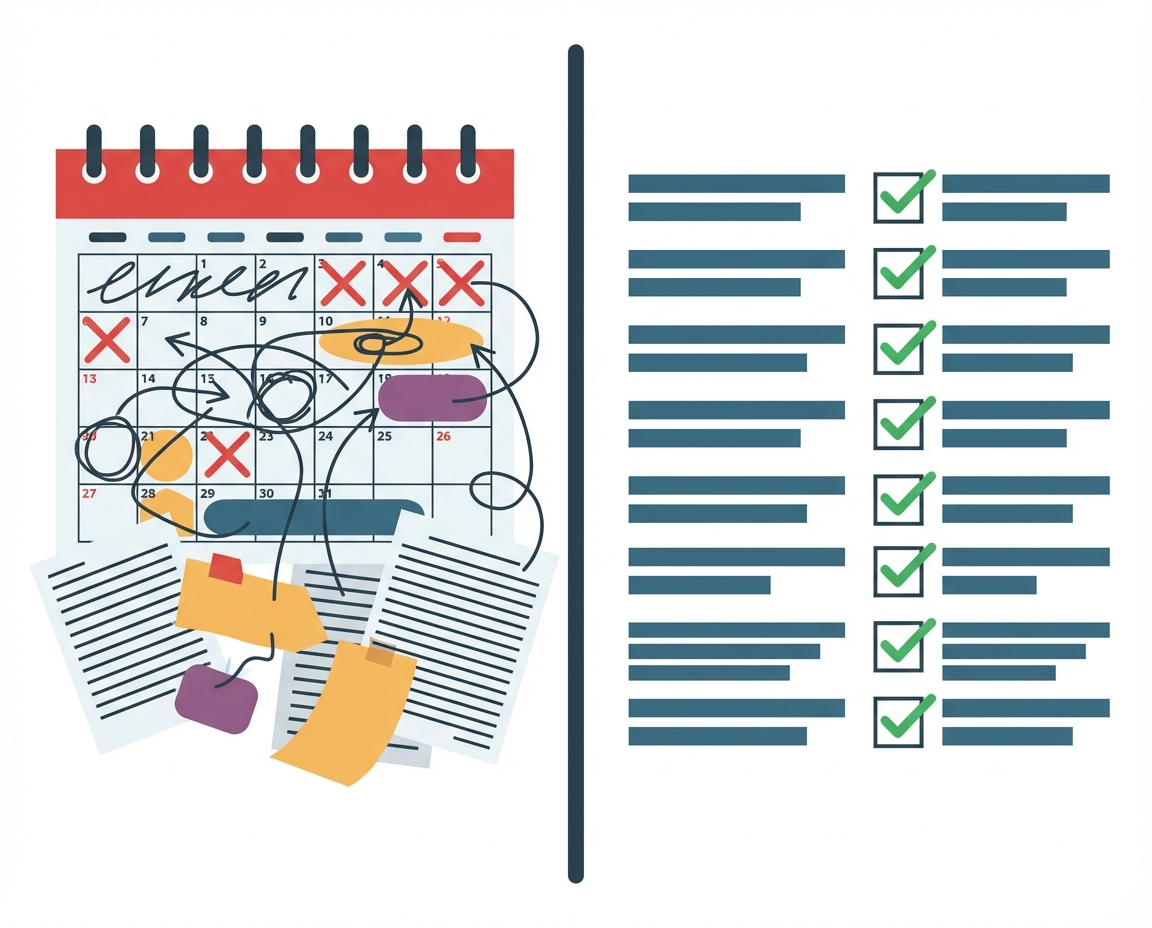
Running a business involves a constant state of navigation through fog. You care deeply about your team and you want your venture to thrive, but the traditional ways of managing people often feel like they are built for a different era. You might feel that something is missing in how you assign tasks or how you grow your staff. This feeling of uncertainty is common when the old structures of job titles and rigid hierarchies no longer match the speed of your industry. Many managers are now looking toward the concept of a skills based organization as a way to clear that fog and build something more resilient. This approach moves away from the idea that a person is defined by their job description and instead views them as a collection of specific capabilities that can be applied where they are needed most.
The shift toward prioritizing skills over roles is not just a trend. It is a response to the reality that work is becoming more modular. When you focus on what a person can actually do rather than the title on their business card, you unlock a new level of flexibility. This transition requires a change in mindset from seeing employees as fixed assets in specific departments to seeing them as a dynamic pool of talent. For a manager who is already stretched thin, this change can feel daunting. However, it offers a path to de-stress by creating a more logical and transparent system for getting work done. It allows you to stop guessing who should do what and start making decisions based on documented evidence of proficiency.
The Logic of a Skills Based Organization
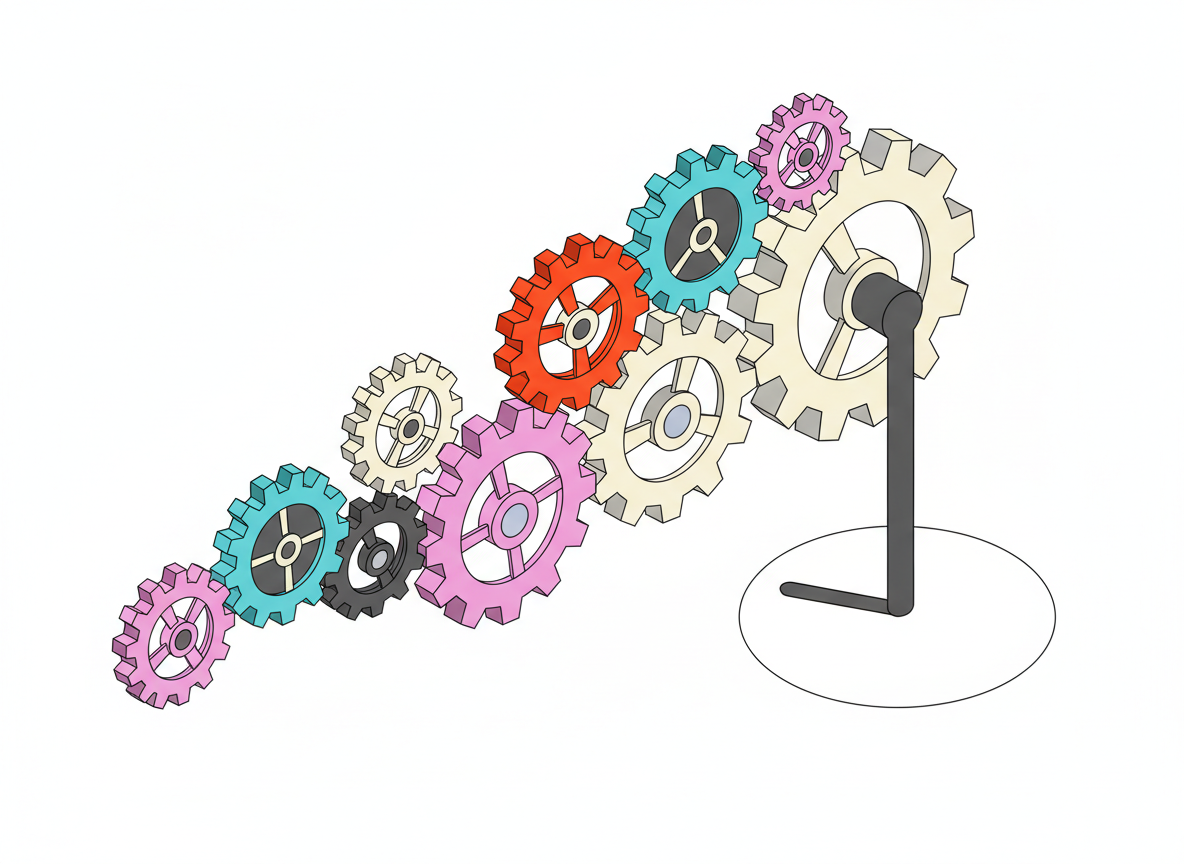
In a traditional setup, you hire a marketing manager because you have a marketing department. In a skills based organization, you look at the specific outcomes you need, such as content strategy, data analysis, or community management. You then identify the skills required to reach those outcomes. This allows you to see your team through a different lens. You might find that your office manager has a high level of proficiency in project management software that is currently being underutilized. By identifying this skill, you can allocate them to help a production team that is struggling with deadlines.
- Focus on verifiable capabilities rather than broad job titles
- Create a common language for skills across the entire company
- Enable cross-functional collaboration by breaking down departmental silos
- Provide clarity to employees about what they need to learn to progress
This framework helps alleviate the fear that you are missing key pieces of information. When skills are mapped out, the gaps in your organization become visible. You no longer have to wonder why a project is failing; you can look at the skill requirements and see exactly which proficiency is missing from the group. It changes the conversation from a vague sense of underperformance to a specific discussion about skill development.
Breaking Down the Talent and Development Pipeline
Building a robust talent pipeline is essential for any manager who wants to create something that lasts. In a skills based model, this pipeline is not about moving people up a ladder, but about expanding their map of competencies. You want to create a path where employees are constantly gaining new proficiencies that align with the goals of the business. This requires a shift in how you view training. It is no longer a yearly event but a continuous process of matching learning opportunities with the immediate needs of the organization.
- Identify the core skills that drive your business value
- Assess the current skill levels of your staff without bias
- Provide targeted learning resources that address specific gaps
- Create opportunities for staff to practice new skills in low-risk environments
Comparing this to traditional development, the old way often involved generic leadership training that might not apply to a manager’s daily life. The new way focuses on practical insights. If a team lead needs to understand how to manage a remote team, they find a specific module on digital communication tools and asynchronous workflows. This is straightforward and avoids the fluff often found in corporate thought leadership.
Efficiency through Skill to Task Allocation
Once you have a clear understanding of the skills available in your team, the task of allocation becomes much simpler. Managers often experience stress when they have to assign a difficult project and feel that no one is quite right for it. By deconstructing the project into its required skills, you can often find a combination of people who can handle it together. This is much more efficient than trying to find one unicorn who can do everything.
- Analyze projects based on the skills required to complete them
- Match these requirements against your internal skills inventory
- Use these matches to form agile teams for specific initiatives
- Monitor the success of these teams to refine future allocations
This method also helps with employee retention. Staff members feel more empowered when they are chosen for a task because of a specific skill they possess and have worked hard to develop. It acknowledges their individual value and provides them with a sense of purpose that is tied to their actual capabilities rather than their place in a hierarchy.
Deconstructing Traditional Instructional Design
As you move toward this model, you will likely need to create or source learning materials. This is where many organizations hit a wall. Traditional instructional design often relies on long, linear courses that try to cover too much ground at once. For a busy manager, these courses are a drain on time and resources. They often contain high amounts of filler and do not provide the direct, actionable information that your team needs to improve their performance.
Instructional design should be about removing barriers to knowledge. In a skills based organization, learning needs to be bite-sized and focused. If an employee needs to learn how to use a specific piece of machinery or a software feature, they should not have to sit through a two-hour history of the company first. We should be questioning why so much training material is designed to be endured rather than used. Deconstructing these old methods means focusing purely on the mechanics of the skill and the context in which it will be applied.
Why Humor in Instructional Design Usually Fails
One of the most common mistakes in traditional instructional design is the attempt to make a course funny. We have all seen the funny course where a fictional character goes through a series of comedic mishaps to teach a lesson about safety or compliance. While the intention is to increase engagement, this approach usually fails and can be quite damaging. Corporate humor is notoriously difficult to land because it has to pass through so many filters of professional appropriateness that it often becomes bland or confusing.
- Failed jokes cause learners to disconnect from the material
- Poorly executed humor erodes the instructional credibility of the module
- It can feel patronizing to employees who are trying to solve real problems
- Humor is subjective and can easily miss the mark with a diverse workforce
When a joke falls flat, it creates a moment of friction. The learner is no longer thinking about the skill; they are thinking about how awkward the joke was. This derails the entire learning experience. For a manager trying to build a serious and impactful business, this is a waste of a precious opportunity to build trust. It is much more effective to be straightforward and provide honest, practical insights that the employee can use immediately. Confidence is built through competence, not through forced laughter.
Changing the Framework for Hiring and Promotion
When you hire based on skills, your interview process changes. Instead of asking someone to tell you about a time they showed leadership, you might ask them to demonstrate a specific proficiency. You might even use work samples or assessments that mimic the actual tasks they will be performing. This reduces the fear of missing something important because you are seeing the person’s capabilities in action rather than just hearing about them.
- Define the skills required for the role before posting the job
- Use skill-based assessments to screen candidates early in the process
- Look for adjacent skills that might allow a candidate to grow into the role
- Promote based on the mastery of new skills rather than just tenure
This approach also opens up your talent pool. You may find people who have the exact skills you need but who haven’t had the traditional career path that would normally lead them to your door. This is how you build a solid and remarkable organization. You find the best people for the work by focusing on the work itself.
Addressing the Unknowns in Skill Development
While the shift to a skills based organization is powerful, there are still many things we do not fully understand. For example, how do we accurately measure soft skills like empathy or resilience? These are crucial for a healthy workplace, yet they are much harder to quantify than technical skills. As a manager, you have to navigate this uncertainty. You might ask yourself how much weight to give to a technical certification versus a demonstrated ability to lead a team through a crisis.
Another unknown is the shelf life of skills. In a rapidly changing environment, a skill that is vital today might be obsolete in three years. How do we build a pipeline that is flexible enough to adapt to these changes without burning out our employees? These are questions that require ongoing thought and discussion. By acknowledging these unknowns, you can stay curious and remain open to new ways of organizing your team. You are building a journey, not just a structure, and being honest about what we don’t know is a key part of being a successful and grounded leader.