Transitioning to a Skills Based Organization: A Guide for Managers
The burden of management often feels like a puzzle with several missing pieces. You sit at your desk and look at the names on your roster and wonder if you are actually using the talent you have to its fullest potential. There is a specific kind of stress that comes from knowing your team is capable of more but not knowing exactly how to unlock it. You want to build a business that lasts. You want a team that feels empowered. Yet the traditional ways of organizing people seem to get in the way more than they help. Most of us were taught that a business is a collection of jobs. We write a job description and we look for a person who fits that specific box. This is why many owners are now looking toward the skills based organization. It is a shift from looking at what a person is called to what a person can actually do.
Core Themes of the Skills Based Model
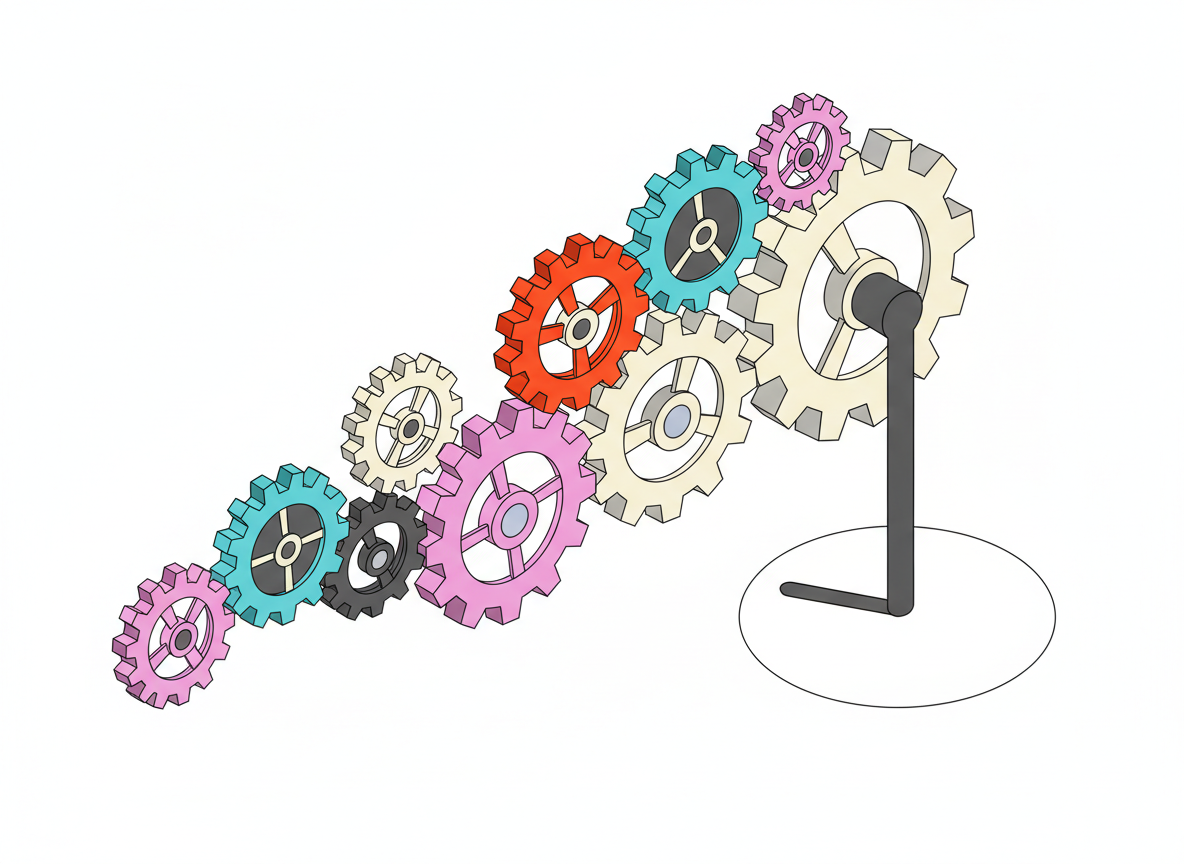
The primary theme of this transition is the decoupling of work from job titles. In a traditional structure, a title defines what a person is allowed to do and what they are expected to ignore. In a skills based model, the focus shifts to the inventory of capabilities within the building. This requires a shift in how you view your employees. They are no longer just a marketing manager or a sales associate. They are individuals with a portfolio of skills such as data analysis, persuasive writing, or technical troubleshooting. This approach reduces the friction of trying to force a person into a role that might only use half of their talent. It acknowledges that skills are the currency of the modern workplace. By identifying what your team can do, you can allocate resources more effectively.
- The focus is on capability rather than formal pedigree.
- Work is organized around problems to be solved.
- Efficiency is found by moving people where skills are needed.
- Organizational growth is measured by competency acquisition.
Rethinking the Strategy of Skills Based Hiring
Hiring is perhaps the most difficult part of growing a business. The stakes are high and the cost of a mistake is heavy. When you hire based on skills rather than previous titles, you change the nature of the interview. You are no longer looking for someone who has held a similar title at a larger company. Instead, you are looking for verifiable proof that they can perform the specific tasks required by your unique business environment. This means moving away from the standard resume review. You might start using work samples or practical tests. You are asking the candidate to show you how they think and how they solve problems. It is a scientific approach to recruitment. It removes the bias that often comes from being impressed by a famous name on a resume. It focuses on the reality of the work. For a manager who is tired of the empty promises of traditional recruitment, this provides a clear path forward.
Skills Mapping Compared to Job Descriptions
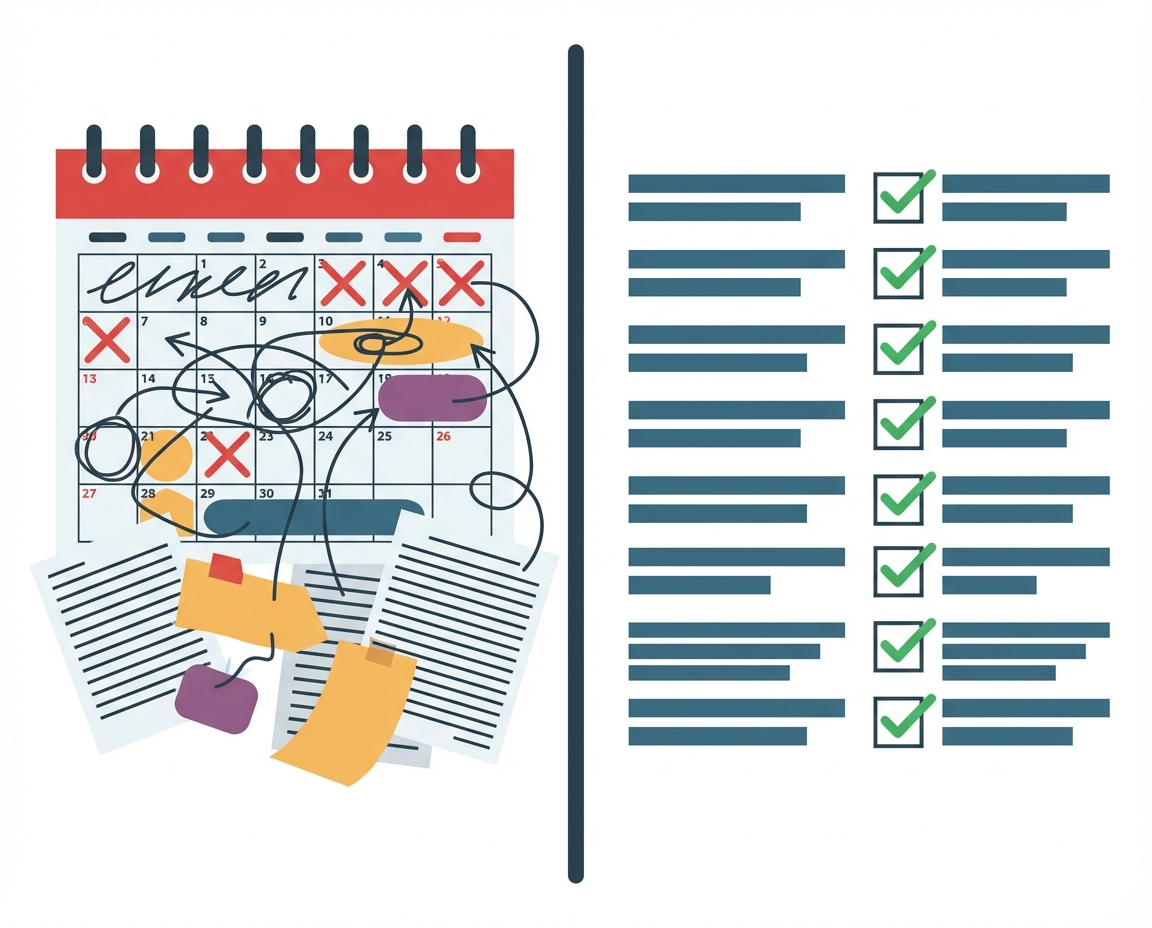
It is helpful to compare the old way of defining work with this newer method. Traditional job descriptions are often lists of responsibilities that become outdated the moment they are printed. They are static documents. A skills map is a dynamic inventory. Job descriptions focus on history and experience while skills maps focus on current capability and future potential. Job descriptions create silos where people stay in their own lanes. Skills maps encourage cross-collaboration across the entire company. When you use a skills map, you are creating a visual representation of what your company can actually achieve. You can see your strengths and your vulnerabilities. If only one person has a critical skill, you have a single point of failure. This knowledge allows you to be proactive rather than reactive. You can start training others before a crisis occurs. It transforms the management experience from one of guesswork to one of strategic planning.
The Intersection of Culture and Learning
When we talk about building a business that lasts, we have to talk about how people enter the organization. We should view onboarding as Cultural Indoctrination. This is the moment where we rethink week one. We reflect on how the first 5 days dictate an employee’s trajectory, arguing that onboarding should focus 80% on cultural connection and only 20% on software login logistics. If a new hire understands the mission and the values and the way the team communicates, they are far more likely to succeed. The first week should be about the why behind the work. The remaining small portion of time should be reserved for the logistics of software logins and administrative tasks. If a new hire understands the culture, they can use their skills to navigate the logistics. If they only understand the logistics, they will never fully integrate their skills into the heartbeat of the company. This shift ensures that every new team member is aligned with your vision from the very start.
Practical Scenarios for Skill Allocation
There are specific moments where this model proves its worth. Consider a scenario where your business experiences sudden, unexpected growth. In a traditional model, you would scramble to hire new managers. In a skills based model, you look at your current team. You identify who has the project management skills and the communication skills to lead a temporary task force. You move them into that position immediately because you already know they have the capability. Another scenario involves employee retention. People often leave jobs because they feel stagnant. If you are tracking skills, you can see when an employee has mastered their current tasks. You can offer them opportunities to learn new skills that align with their interests and the needs of the business. This creates a development pipeline that keeps your best people engaged. They are not just working for a paycheck. They are building their own value while building yours.
Navigating the Unknowns of Human Potential
As a manager, you have to be comfortable with the things you do not know. Even with the best skills mapping, there are questions that remain. How do we accurately measure a skill like empathy or resilience? How do we ensure that our assessment of a person’s capability is not clouded by our own internal biases? These are questions that require ongoing reflection. You are building something remarkable. That requires a willingness to learn diverse topics. It requires you to look at your staff not as a collection of roles, but as a group of people with immense potential. By focusing on skills, you are providing the clear guidance and support your team needs to thrive. You are removing the mystery of what it takes to succeed in your organization. This approach acknowledges the complexity of human work while providing a framework to manage it.
Building the Future Talent Pipeline
The goal is to create a solid foundation. A skills based organization is more resilient because it is more flexible. It allows you to navigate the complexities of a changing business environment without the weight of outdated hierarchies. You can breathe a little easier knowing that you have a clear map of your team’s capabilities. This journey is not about quick results. It is about the hard work of building a company that is built to last. It is about empowering your team to be their best. When they succeed, the business succeeds. You are not just a manager. You are a builder of talent. By focusing on the fundamentals of skill development and cultural connection, you create an environment where everyone can thrive. This is how you build a business that is both impactful and sustainable.
- Regularly audit the skills available in your team.
- Invest in training that fills specific gaps.
- Reward the acquisition of new skills.
- Allow people to work on projects outside of their usual scope.