Transitioning to a Skills Based Organization: A Guide for Modern Managers
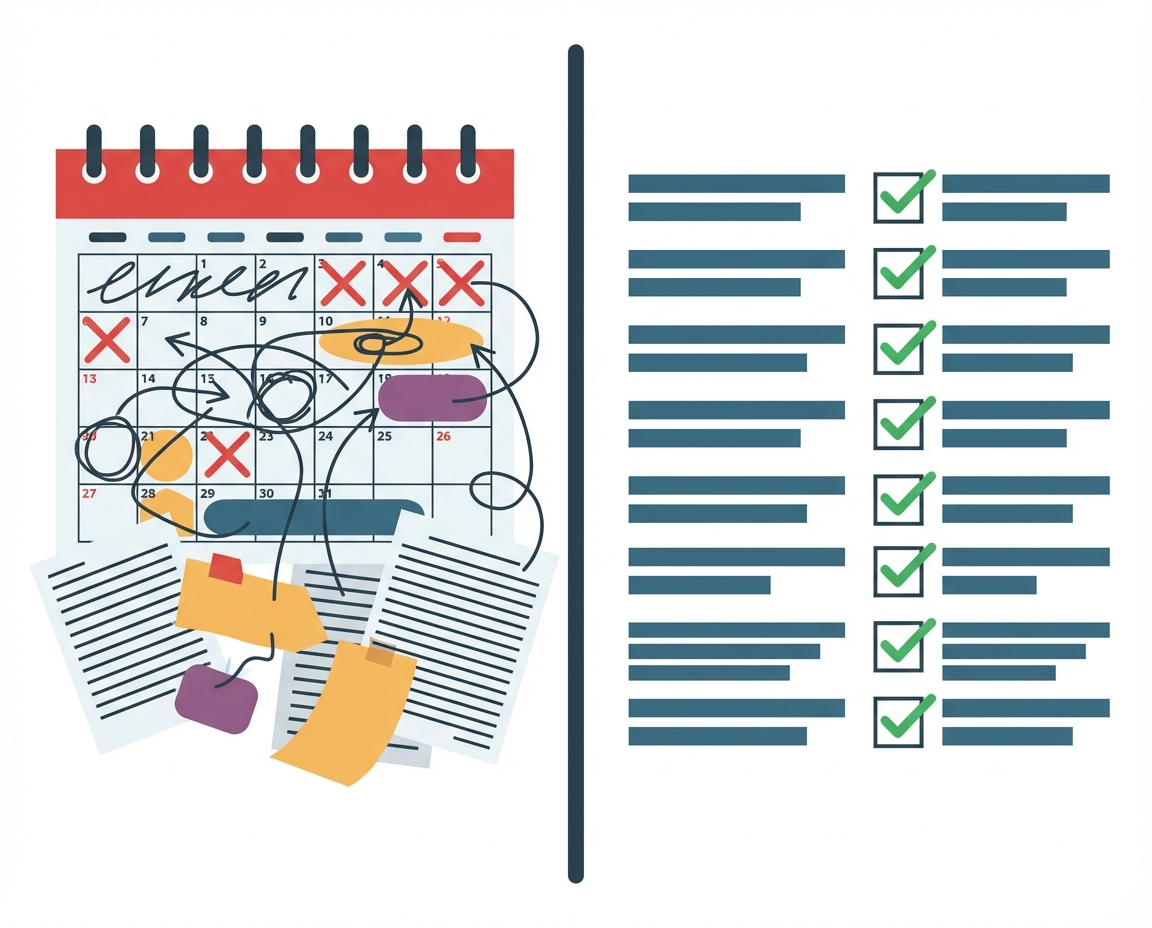
Running a business feels like a constant race to keep up with changing demands while trying to maintain a team that feels supported. You likely feel the pressure of ensuring your staff has exactly what they need to succeed, yet the traditional way of defining jobs often falls short. Many managers find themselves stuck with rigid job descriptions that do not reflect the actual work being done. This misalignment leads to stress for you and confusion for your employees. The shift toward a skills based organization is not just a trend but a response to the need for more agility. It involves moving away from the idea that a person is defined by their static job title and instead looking at the specific capabilities they bring to the table.
When you focus on skills, you begin to see your team as a collection of talents that can be deployed where they are most needed. This approach alleviates the fear that you are missing key pieces of information or that your team is underutilized. It allows you to build something solid and remarkable because you are working with the actual building blocks of productivity. This journey requires learning across diverse fields, from psychology to data analysis, but the result is a more resilient and transparent workplace where everyone knows how they contribute to the larger mission.
Transitioning to a Skills Based Framework
Moving your company toward a skills based model starts with a fundamental change in how you perceive work. Instead of thinking about roles, you start thinking about tasks and the specific skills required to complete them. This deconstruction allows for better flexibility. Managers who adopt this framework often find that they can fill gaps more quickly by looking internally rather than immediately searching for external hires. It creates a clearer picture of the collective intelligence of your organization.
- Identify the core tasks that drive value in your business
- Break those tasks down into the specific skills needed to perform them
- Audit your current team to see where those skills already exist
- Create a shared language for skills so everyone is on the same page
This framework helps reduce the uncertainty that comes with rapid growth. When you know exactly what your team can do, you can make decisions based on facts rather than assumptions. It also helps your employees feel seen for their actual abilities rather than just their titles. This clarity is a powerful tool for de-stressing the management process because it removes the guesswork from resource allocation.
The Mechanics of Skill Allocation and Talent Mapping
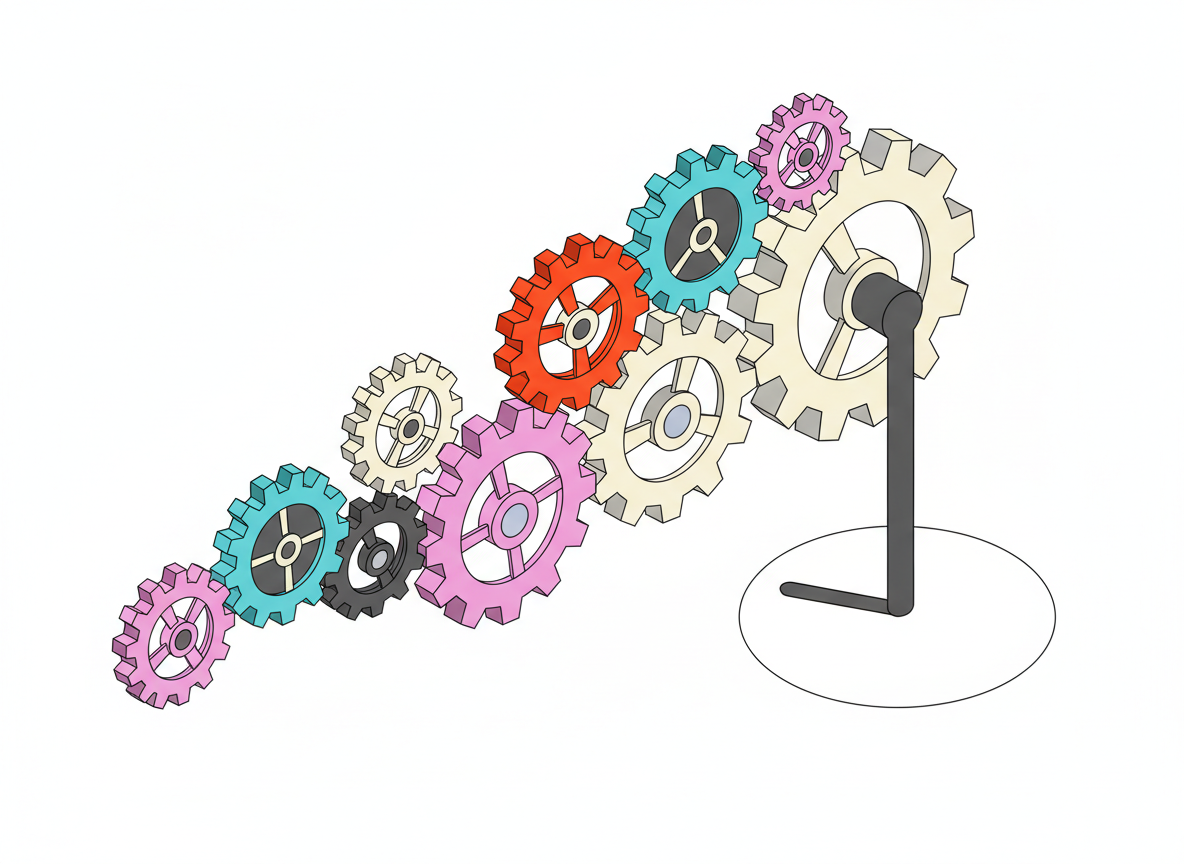
Once you have defined the skills you need, the next step is mapping those skills to your existing staff. Talent mapping is a structured way to visualize the capabilities within your team. It involves documenting the proficiency levels of different employees across various domains. This process provides a roadmap for development and helps you understand where your pipeline might be leaking or where you have a surplus of talent that is not being used effectively.
- Use skill assessments to determine current proficiency levels
- Map skills to specific business goals to ensure alignment
- Identify skill gaps that represent risks to your operations
- Develop a database that managers can use to find internal talent for new projects
By having a clear map, you can allocate tasks more efficiently. This prevents burnout by ensuring that people are not constantly working outside their comfort zones without support. It also highlights opportunities for cross training. When a manager can see that an employee in marketing has the data analysis skills needed for a product project, it opens up new ways to solve problems without increasing headcount.
Comparing Skills Based Hiring to Traditional Role Recruitment
Traditional hiring often relies on resumes filled with past titles and years of experience which can be misleading. A skills based approach to hiring focuses on what the candidate can actually do today and their potential to learn new things tomorrow. This shift helps you avoid the trap of hiring someone who looks good on paper but lacks the specific capabilities your business needs to grow. It also broadens your talent pool by including people who may have non traditional backgrounds but possess the right skill sets.
Traditional hiring focuses on:
- Previous job titles and company names
- Years of experience in a specific industry
- Educational degrees as a proxy for capability
Skills based hiring focuses on:
- Verified competencies through testing or portfolios
- Problem solving abilities in real world scenarios
- Adaptability and the capacity for rapid upskilling
This comparison shows that while traditional methods are easier to execute, they are often less accurate. For a manager wanting to build something remarkable, the extra effort of assessing skills pays off in the quality of the team. It ensures that every new hire is a solid addition to the foundation of the company.
The Alumni Culture and Training for the Next Job
One of the most radical shifts in modern management is the development of an alumni culture. This concept is rooted in an abundance mindset. It suggests that you should train your employees so well that they are actually prepared to leave for a better job elsewhere. While this might sound counterintuitive or even scary to a manager who fears losing talent, the reality is often the opposite. When employees know you are invested in their long term career growth, they are more engaged and loyal during their time with you.
This perspective acknowledges that most employees will eventually move on. By embracing this, you create a culture where people feel safe to grow. You become a destination for top talent because high achievers want to work for managers who will help them reach the next level. This cycle of growth attracts ambitious individuals who contribute significantly to your business while they are there. Even when they leave, they become part of a valuable network of alumni who can provide referrals, partnerships, and industry insights.
Scenarios for Effective Internal Talent Mobility
Internal mobility is the practical application of a skills based organization. It allows employees to move between projects or departments based on their skills rather than being stuck in one silo. For example, consider a scenario where a sudden market shift requires your business to focus more on digital outreach. Instead of hiring a whole new team, you can look at your skill map and find employees in sales or customer service who have the communication and technical skills to pivot into these new roles.
Another scenario involves succession planning. By identifying the skills needed for leadership roles early on, you can create a development pipeline that prepares junior staff for future responsibilities. This reduces the stress of a sudden departure because you already have a plan in place. It also provides a clear path for employees who want to advance, which is a major factor in retention. When people see a future within your organization, they are more likely to put in the hard work required to help the business thrive.
Addressing the Unknowns in Skills Development
Despite the benefits of a skills based approach, there are still many questions that managers must navigate. How do we accurately measure soft skills like empathy or leadership? How do we know which technical skills will be obsolete in three years due to automation? These are unknowns that require a scientific and observant stance. We must remain curious and willing to adjust our strategies as we gather more data about how work is changing.
- What is the best way to validate skills without creating an administrative burden?
- How can we balance the need for specialized skills with the need for generalist flexibility?
- To what extent should the organization or the individual be responsible for upskilling?
By surfacing these questions, you can engage your team in the conversation. This collaborative approach builds trust and ensures that your strategy is grounded in the reality of your specific work environment. It shows that you do not have all the answers but are committed to finding them together.
Building a Resilient Pipeline for Future Growth
Creating a talent pipeline is an ongoing process that requires constant attention. It is not a one time project but a fundamental part of how you operate as a manager. A resilient pipeline ensures that you are never caught off guard by a lack of skills. It involves a mix of external hiring, internal development, and a culture that prizes learning above all else. This investment in people is what allows a business to last and remain solid over the long term.
When you focus on providing clear guidance and best practices for growth, you alleviate the pain of uncertainty for both yourself and your staff. You move from a place of fear to a place of confidence. You are no longer just managing tasks but are instead cultivating a community of skilled individuals who are passionate about the success of the venture. This is the hallmark of an impactful manager who is building something world changing.