Transitioning to a Skills Based Organization: A Practical Guide for Managers
Managing a team is often a journey through deep uncertainty. You likely spend your evenings wondering if you have the right people in the right roles or if your business is prepared for the next unexpected shift in the market. There is a specific kind of stress that comes from feeling like you are missing a piece of the puzzle while everyone around you seems to have decades of experience. You want to build something that lasts, something solid and remarkable, but the traditional ways of organizing a company often feel too rigid and slow for the reality you face every day. This is why many leaders are looking toward the skills based organization as a way to find clarity and improve their operations.
The shift toward focusing on skills rather than job titles is not just a trend. It is a response to the fact that the work we do is changing faster than our HR systems can keep up with. When you focus on what a person can actually do, rather than what their title says they are, you unlock a new level of flexibility. This approach allows you to see your team as a collection of capabilities that can be deployed where they are needed most. It helps you sleep better knowing that your talent pipeline is built on verified abilities rather than vague resumes. To get there, we need to look at how we define work, how we help people grow, and how we share information within the company.
Defining the Skills Based Framework
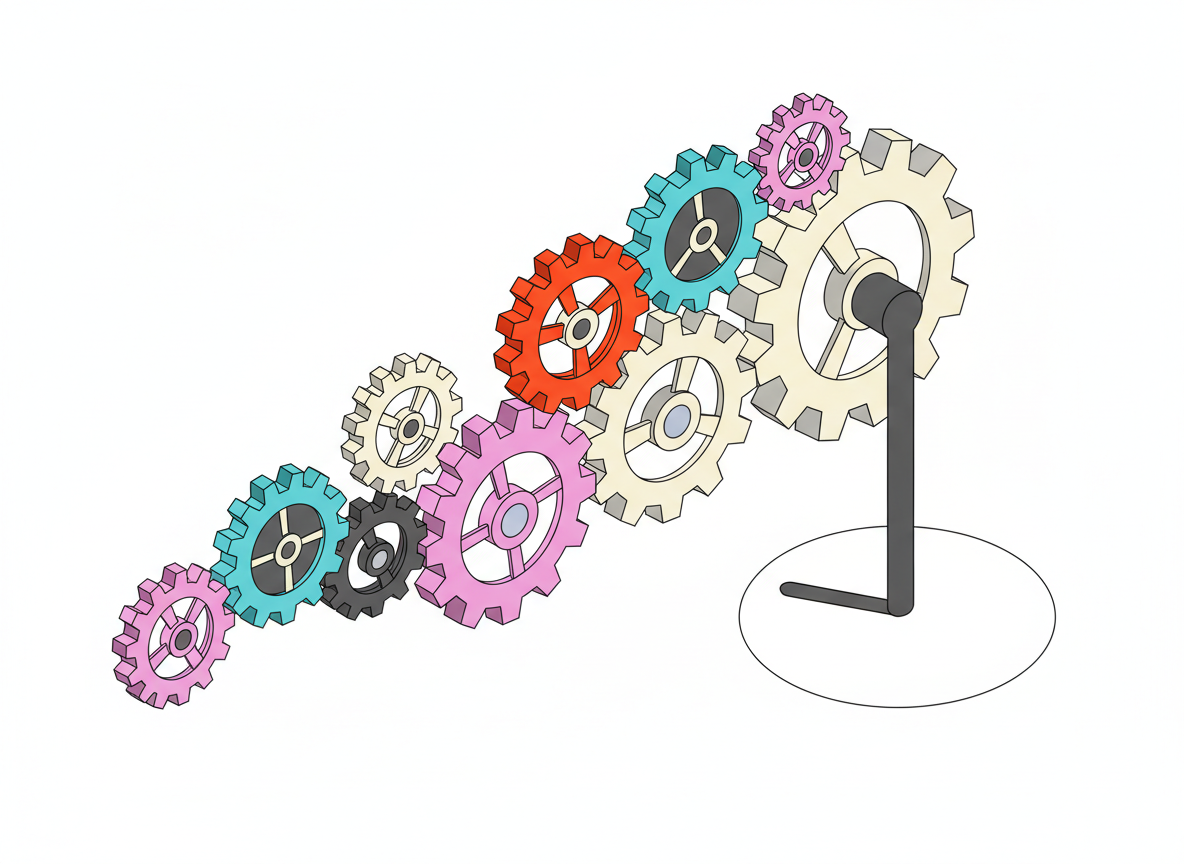
A skills based organization is one where the fundamental unit of work is the skill rather than the job. In a traditional setup, you hire a Marketing Manager and expect them to do everything a Marketing Manager is supposed to do. In a skills based model, you identify the specific tasks that need to be accomplished, such as data analysis, copywriting, or project management. You then look at your team to see who possesses those specific skills regardless of their formal title.
- Skills are granular and measurable units of capability.
- Roles become a collection of skills that can evolve over time.
- Deployment of staff is based on current needs and proven competence.
This shift requires a change in mindset. It asks you to stop looking at your employees as fixed entities and start seeing them as dynamic learners. This transparency helps alleviate the fear that you are underutilizing your best people or that you are hiring for roles that will be obsolete in a year.
The Practical Limits of Job Titles
Job titles are often broad and poorly defined. They can be misleading because two people with the same title at different companies might have completely different skill sets. For a manager trying to build a solid foundation, relying on titles creates a significant risk of error in hiring and promotion. It leads to situations where you have gaps in your team that you cannot quite name but certainly feel when a project stalls.
When we compare job titles to skill sets, we see that titles are often static. They represent a point in time when a person was hired. Skill sets are fluid. An employee might develop a proficiency in a new software tool or a leadership technique that is never reflected in their title. By ignoring these evolving skills, you lose the opportunity to use your team to their full potential. Moving to a skills based model allows you to bridge this gap between what a person is called and what they can actually contribute to the business.
Strategies for Skill Mapping and Identification
To move toward this model, you must first understand what skills currently exist within your organization. This process is known as skill mapping. It involves documenting the abilities of every team member and comparing them to the skills required to meet your business goals. This is not about judgment or performance reviews: it is about creating a factual inventory of your collective strength.
- Create a shared database where employees can list their competencies.
- Use objective assessments to verify technical or soft skills.
- Identify the critical skills that are missing and prioritize them in your hiring plan.
This data gives you a map to follow. It removes the guesswork from your decision making process. When you know exactly what your team can do, you can assign tasks with much higher confidence. You no longer have to hope that someone is right for a project: you will have the data to prove it.
Hiring and Promoting for Competency
When you hire for skills rather than experience alone, your candidate pool becomes more diverse and more capable. You stop looking for five years of experience in a specific role and start looking for people who can demonstrate they know how to solve the problems you have. This approach reduces the fear of making a bad hire because you are testing for the actual work the person will be doing.
In terms of promotion, a skills based approach provides a clear path for your employees. They know exactly which skills they need to acquire to move to the next level. This transparency increases retention because people feel supported in their professional growth. They see that you are willing to invest in their development and that their hard work in learning new things will be recognized and rewarded with new opportunities within the company.
Deconstructing Traditional Instructional Design
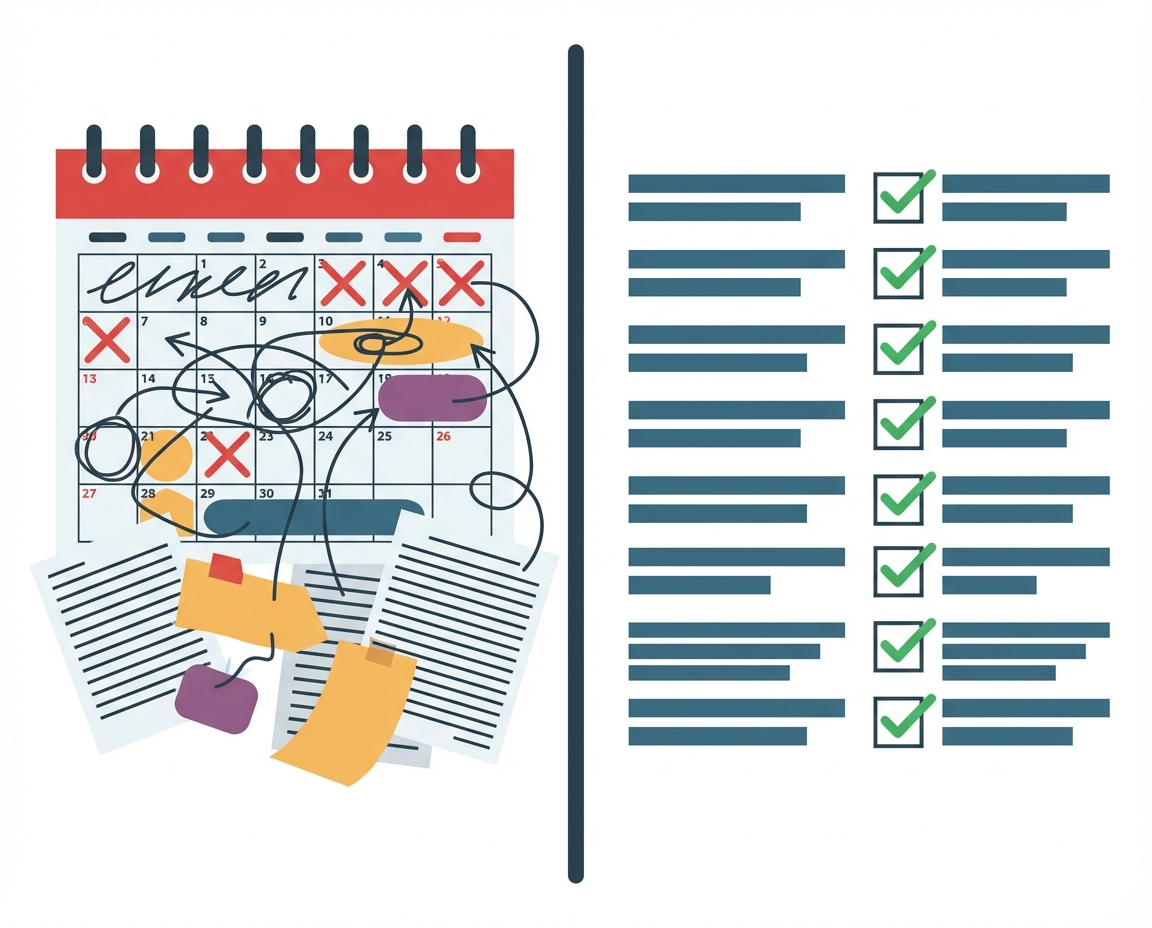
Traditional instructional design often relies on long, expensive training programs that take months to develop and hours to complete. For a busy manager, these programs often feel like a waste of time. They are too generic and do not solve the immediate problems your team is facing. To build a skills based organization, you need a more agile approach to how information is created and shared.
Modern instructional design focuses on providing the right information at the right time. It is about breaking down complex topics into smaller, manageable pieces that an employee can learn and apply immediately. This is how you build a development pipeline that actually works. You provide the guidance your team needs to gain confidence without overwhelming them with unnecessary fluff or theoretical concepts that do not apply to their daily work.
Text is Not Dead: The Resurgence of Reading
There is a common narrative in the corporate world that video is the only way to engage modern learners. However, we are seeing a significant resurgence in the preference for well written text. For a busy professional who needs to find an answer and get back to work, a five minute video is often a burden. They cannot easily search a video or skim it to find the one specific piece of information they need.
Highly structured, scannable text is often much more effective for professional development. It allows the reader to control the pace of their learning. It provides a permanent reference that they can return to whenever they feel uncertain. When you provide clear and straightforward documentation, you are giving your team a tool they can use to solve problems on their own. This reduces their stress and frees up your time as a manager to focus on higher level strategy.
- Text is indexed and searchable for quick answers.
- Bullet lists and headers allow for rapid scanning.
- Written guidance provides a reliable standard for best practices.
Navigating the Unknowns of Skills Management
Even with a clear strategy, there are many things we still do not know about the future of work. How will artificial intelligence change the specific skills we need? How can we accurately measure soft skills like empathy or critical thinking in a remote work environment? These are questions that every manager is currently facing, and there are no easy answers yet.
Instead of being scared of these unknowns, we should view them as opportunities for experimentation. As you build your skills based organization, keep an open mind and be willing to adjust your approach as you learn more. The goal is not to have all the answers right now, but to create a system that is robust enough to handle the changes that are coming. By focusing on learning and growth, you are building a business that is not just successful today but is prepared to thrive in the future.