Transitioning to a Skills Based Organization: A Practical Guide for Modern Managers
Running a business often feels like navigating a ship through a fog. You know the destination, and you know you have a capable crew, but sometimes it feels like you are asking a navigator to scrub the decks while the cook is trying to fix the engine. This disconnect is where the stress begins. You care about your team, and you want them to succeed, yet the traditional structures of job titles and rigid hierarchies often get in the way of getting things done. Many managers find themselves lying awake at night wondering if they are missing a key piece of the puzzle. They worry that their competitors have some secret manual on how to align people with tasks. The truth is that many of those seasoned leaders are struggling with the same complexities. The move toward a skills based organization is not a trend or a shortcut. It is a fundamental shift in how we view work, moving away from what a person is called to what a person can actually do.
As you look to build something that lasts, you might feel the weight of responsibility to get it right. You are not looking for a quick fix. You are looking to build a solid foundation. This requires a willingness to learn diverse topics from psychology to systems thinking. By focusing on skills rather than just roles, you can alleviate the pressure of trying to find the perfect person who fits a pre-written job description that might already be obsolete. Instead, you can look at the talent you have and the talent you need through a clearer lens. This transition allows you to be more agile and more supportive of your team as they grow along with the business.
Defining the Move to a Skills Based Organization
The core of a skills based organization is the idea that work is a collection of tasks that require specific capabilities. In a traditional model, we hire a Marketing Manager and assume they can do everything related to marketing. In a skills based model, we break that down. We look for data analysis, copywriting, graphic design, and strategic planning. When we define the organization this way, we gain a much higher level of granularity. This helps a busy manager see where the gaps really are. It prevents the common mistake of hiring more people when what you actually need is a specific skill that your current team might even be eager to learn.
Key themes in this shift include:
- Deconstructing jobs into specific, measurable skills.
- Creating a dynamic inventory of the capabilities currently present in your team.
- Shifting the focus from seniority and titles to competency and output.
- Encouraging a culture where learning is continuous and aligned with business needs.
By focusing on these themes, you start to remove the mystery of why certain projects stall. It is rarely a lack of effort. More often, it is a mismatch between the task at hand and the specific skill set of the person assigned to it. Recognizing this allows you to stop blaming and start solving.
Comparing Job Titles to Skill Sets
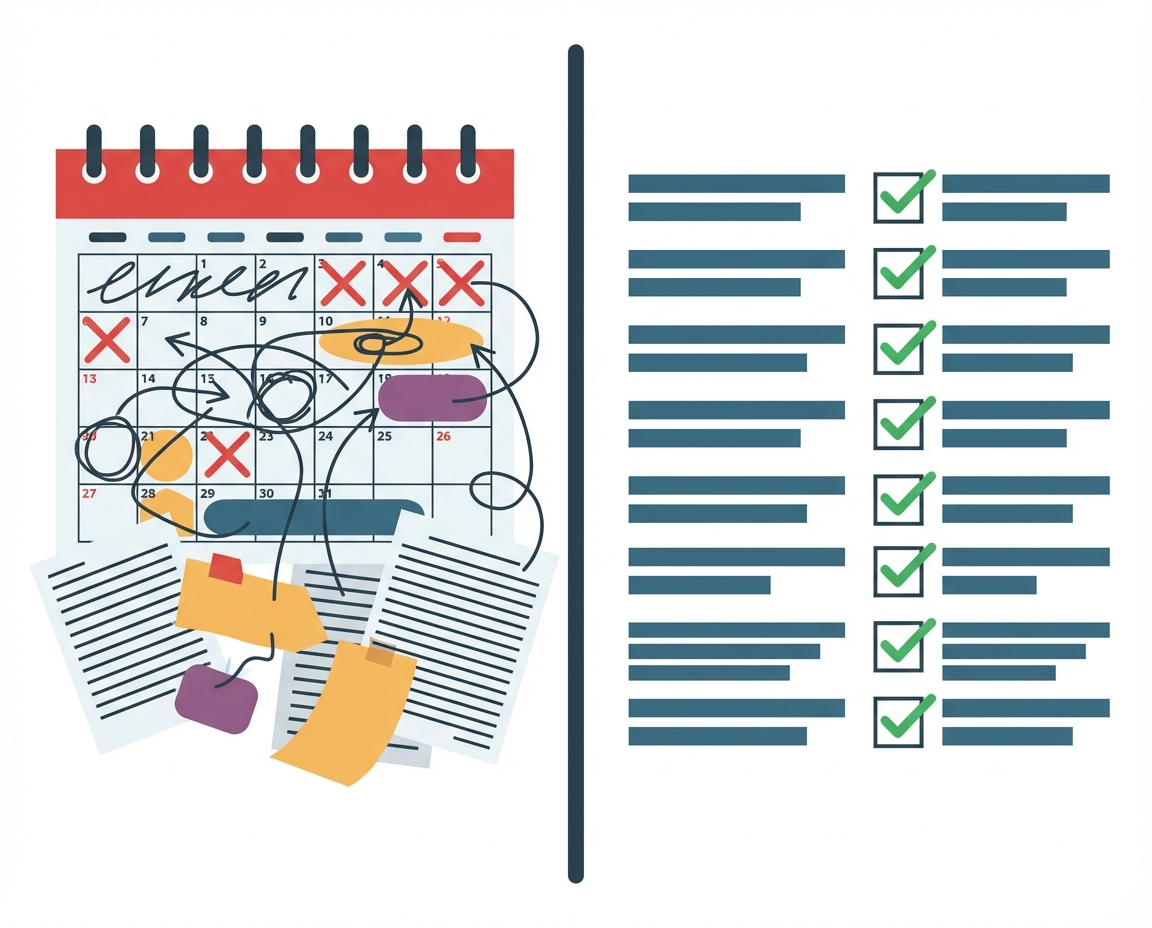
It is helpful to compare the traditional job centric approach with the skill centric approach to understand the practical impact on your daily operations. A job title is a static label. It often carries baggage from previous companies or outdated industry standards. For example, a Project Manager in one company might focus on technical logistics, while in another, they focus on people management. If you hire based on the title alone, you might get someone whose skills do not match your specific needs.
In contrast, a skill set is a dynamic list. It describes what a person can do today and what they are capable of doing tomorrow. When you compare these two, you see that the job title approach is rigid. It makes it hard to move people around when priorities shift. The skill set approach is fluid. If a sudden need for customer research arises, you do not look for a new hire with a specific title. You look at your skills inventory and see who has the underlying competency to tackle that task. This flexibility reduces the stress of staffing and allows your team to feel more empowered because their actual talents are being recognized and used.
Refining Your Talent and Development Pipeline
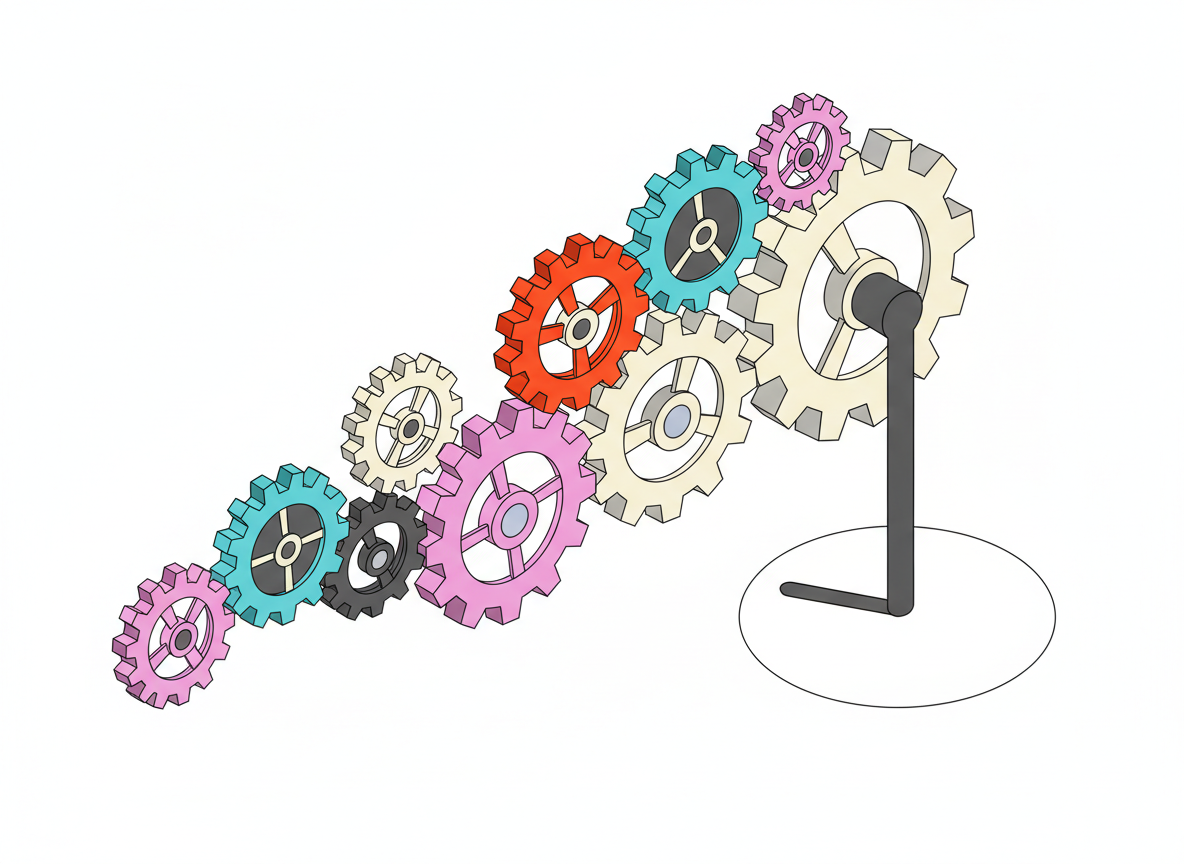
Building a pipeline for a skills based organization requires a different type of planning. You are no longer just looking for a replacement for an outgoing employee. You are looking at how to develop the right talent internally and how to attract the right pieces for your puzzle. This involves creating a map of where your business is going and what skills will be required to get there. It is a proactive rather than a reactive process.
To build this pipeline, consider the following steps:
- Identify the critical skills that drive your business value.
- Assessment of current employee skills through self reporting and peer reviews.
- Identification of skill gaps that represent risks to your growth.
- Creation of personalized learning paths that help employees acquire the skills you need.
This approach helps with retention because employees feel that you are investing in their professional value. They see a clear path forward that is based on their growth, not just on waiting for someone above them to leave their position. It creates a sense of security and purpose that a simple paycheck cannot provide.
The Intersection of Culture and Learning
In The Intersection of Culture and Learning, we must describe Learning as a Cultural Artifact. We explore values in action. We reflect on the idea that the quality and tone of your training materials communicate the company’s true culture far louder than the mission statement on the wall. If your training is boring, outdated, or strictly focused on compliance, you are telling your team that you value checking boxes over genuine growth. If your training is thoughtful, accessible, and practically useful, you are showing them that you value their time and their potential.
Culture is not what you say. It is what you do and what you enable your team to do. When you prioritize a skills based approach, learning becomes the heartbeat of the organization. It is no longer an occasional seminar or a mandatory video. It is a daily practice of improvement. This creates an environment where people feel safe to admit what they do not know, which is the first step toward learning it. As a manager, your role is to facilitate this by providing the right resources and the time for people to engage with them.
Reimagining Your Hiring and Retention Strategy
Hiring in a skills based organization feels different. You start to look past the resume and the big name companies someone might have worked for. Instead, you look for evidence of specific skills. This might involve practical tests, portfolio reviews, or behavioral interviews focused on how they have applied a skill in the past. It levels the playing field and often helps you find incredible talent that other companies might overlook because they do not have a traditional background.
For retention, the benefits are clear. When you understand the skills of your team, you can assign them to work that actually interests them and challenges them. People stay at companies where they feel they are growing. By moving away from the rigid hierarchy of titles, you can offer them lateral moves that broaden their experience or specialized paths that deepen their expertise. This makes your organization a place where people want to build their careers for the long term.
Practical Scenarios for Skills Allocation
How does this look in practice? Imagine you are launching a new product. In a traditional setup, you might assign the task to the marketing team. In a skills based setup, you look at the specific requirements: market research, social media engagement, and technical writing. You might find that your best social media communicator is actually in customer support, and your best technical writer is a developer with a passion for clarity. By pulling these people together based on their skills, you create a high performing cross functional team for that specific project.
Another scenario involves addressing a crisis. If you lose a key team member, the traditional response is panic. However, if you have a skills map, you can quickly see which tasks that person performed and who else in the organization has overlapping skills. You can redistribute the work more effectively, reducing the immediate impact on the business and giving you the space to make a thoughtful hiring decision rather than a rushed one.
Questions for the Modern Manager
As you navigate this complexity, there are many things we still do not fully understand about the future of work. The transition to a skills based organization is an ongoing experiment. You might find yourself asking questions that do not have easy answers yet. Reflecting on these can help you tailor the approach to your specific context:
- How do we accurately measure a skill without being overly academic or bureaucratic?
- How do we balance the need for specific skills with the need for generalists who understand the big picture?
- How do we ensure that a focus on skills does not accidentally devalue the human elements of empathy and leadership?
- What happens to the concept of a career ladder when the rungs are made of competencies rather than titles?
You do not need to have all the answers today. The goal is to keep building and to keep learning. By focusing on the skills your team possesses and the ones they want to develop, you are building a resilient, adaptable, and deeply human business. You are moving from a place of uncertainty to a place of clear guidance and support for yourself and your staff.