Transitioning to a Skills Based Organization for Sustainable Growth
Being a manager often feels like trying to build a bridge while the current is pulling at the foundations. You care about your team. You want the business to succeed. Yet, there is a persistent fear that you are missing a piece of the puzzle. The struggle to find the right people and keep them engaged is real and exhausting. Many managers find themselves caught in a cycle of hiring for a role, watching that person struggle, and then wondering if the job description was wrong from the start. This cycle creates a level of stress that is hard to shake because it feels like you are constantly reactive rather than proactive.
The shift toward a skills based organization is a move away from this reactivity. It is a transition from looking at people as static job titles and instead seeing them as a collection of capabilities. This approach acknowledges that the work we do is changing faster than our job titles can keep up. By focusing on what people can actually do, rather than the box they sit in on an organizational chart, we can build something more resilient. It requires a willingness to learn about new frameworks and to look at your team with fresh eyes.
The Core Tenets of a Skills Based Organization
At its heart, a skills based organization prioritizes individual capabilities over traditional credentials or historical job roles. This means that work is broken down into specific tasks and the skills required to complete them are identified. When we look at a business this way, several key themes emerge that change how we operate day to day.
- Deconstruction of work: Instead of a monolithic job description, work is viewed as a series of projects and outcomes that require specific technical or soft skills.
- Dynamic talent allocation: Employees are moved to where their skills are most needed at any given time, rather than being stuck in a department where their talents might be underutilized.
- Continuous skill discovery: The organization maintains a living record of what people can do, which often reveals hidden talents that were not part of their original hire.
- Equity in opportunity: By focusing on skills, managers can reduce bias and provide opportunities to those who have the capability, regardless of their previous titles or background.
This framework allows a manager to stop guessing about who should do what. It provides a map. When you know exactly what skills your team possesses, you can start to see where the gaps are. This clarity is the first step in reducing the uncertainty that leads to management burnout.
Identifying the Skills Gap in Current Operations
Once you decide to move toward this model, the next step is a practical assessment of where you stand. Most managers know they have gaps, but they do not always know exactly what those gaps are. A skills gap analysis is not a performance review. It is a scientific look at the delta between the skills your business needs to reach its goals and the skills currently present in your workforce.
- Inventory your current talent: Ask your team to list their skills beyond their current daily tasks. You might find a marketing assistant who is skilled in data visualization or a salesperson who is an expert in project management software.
- Define future needs: Look at your business goals for the next year. What specific abilities will be required to get there that you do not have today?
- Prioritize the missing links: Not every skill gap is a crisis. Identify which missing capabilities are creating the most friction in your current workflows.
This process provides a straightforward description of your needs. It moves the conversation away from vague ideas about needing better people and toward concrete discussions about needing specific abilities. This clarity helps you make decisions with confidence because you are working from facts rather than feelings.
Talent Acquisition in a Skills Based Environment
Moving to a skills based model fundamentally changes how you hire. The traditional resume, which focuses on chronological job history and degrees, often fails to show what a person can actually contribute. In a skills based approach, the focus shifts to verified capabilities.
When you hire for skills, you start by defining the tasks the person will actually perform. Instead of asking for ten years of experience in a specific role, you might ask for proficiency in three specific technical skills and two core behavioral traits. This opens up your talent pool to people who may have taken unconventional paths but have exactly what you need to succeed. It reduces the fear that you are missing out on great talent just because they do not fit a traditional mold.
Comparing Traditional Job Roles and Skill Clusters
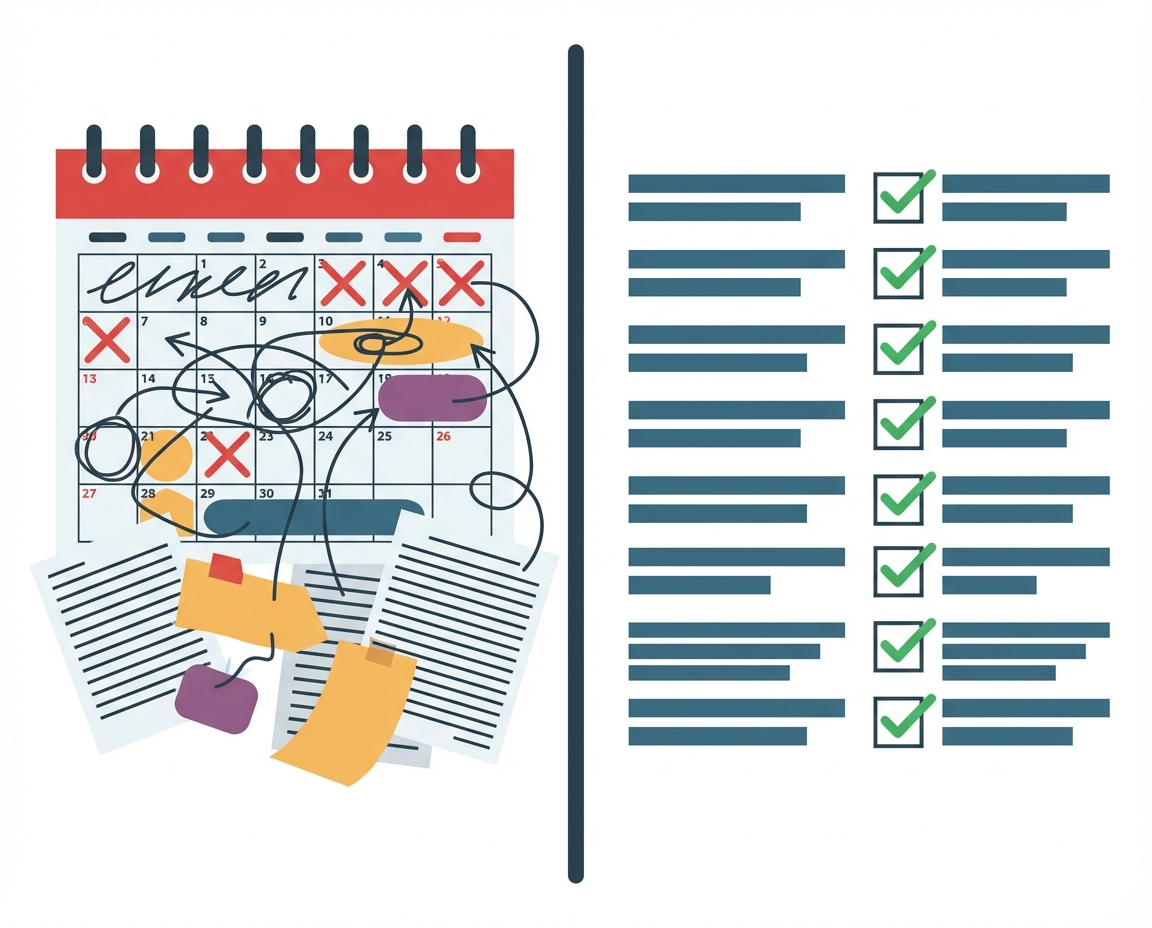
It is helpful to compare the traditional role based model with the skills based model to understand the practical differences in management. In a traditional model, a person is hired to be a Project Manager. Their duties are defined by what project managers historically do. If the business needs change and requires more data analysis, the Project Manager might feel overwhelmed because that was not in their job description.
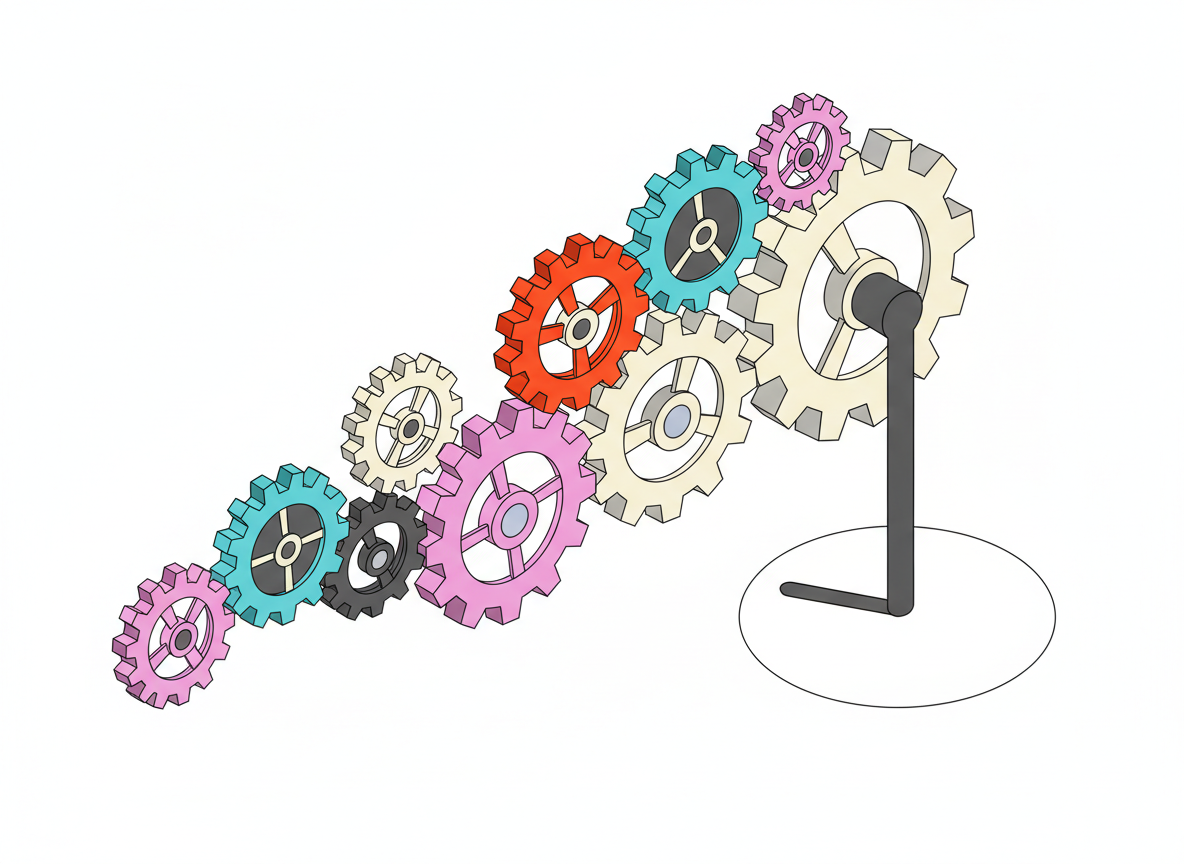
In a skills based model, we look at skill clusters. A person might have a cluster of organization, communication, and risk assessment skills. If the project ends, those skills remain valuable. That person can be redeployed to a different team that needs communication and risk assessment, even if the new role is not called Project Manager. This fluidity prevents stagnation and ensures that the business is always leveraging its best assets. The traditional model is rigid and breaks under pressure. The skills based model is fluid and adapts to change.
Practical Scenarios for Skills Allocation
Consider a scenario where your business is launching a new product. In a traditional setup, you would give the task to the Product Department. However, in a skills based organization, you look across the entire company. You might find that a customer support representative has the exact user experience research skills you need for the launch. By pulling them into the project for a specific period, you solve your talent problem and provide that employee with a growth opportunity.
Another scenario involves succession planning. Instead of looking for one person to replace a departing manager, you look at the cluster of skills that manager used. You might find that those skills are better distributed across two different people, or that a junior employee already has the leadership and technical skills to step up if given the right support. This reduces the risk of a single point of failure in your leadership pipeline.
The Intersection of Culture and Learning
One of the most profound shifts in this journey is how we view the end of an employee’s tenure. In many businesses, an exit interview is a formality. In a skills based organization, we describe the exit interview as a learning needs analysis. We look at the autopsy. This is a moment of deep reflection where leadership must look at the data to understand where the training infrastructure failed the departing employee.
We must ask hard questions. Did they leave because they hit a ceiling in their skill development? Did we fail to identify a skill they wanted to use? By relentlessly consuming exit interview data, we can see if our learning and development pipeline is actually functioning. If someone leaves because they felt unsupported, it is often because our systems for skill acquisition and guidance were not clear enough. We use this autopsy to perform a root cause analysis on our culture of learning. This ensures that the next person we hire into that skill cluster has a better foundation for success.
Navigating the Unknowns of Human Capital
As you move toward this model, it is important to acknowledge that there are still many things we do not know about the future of work. From a scientific perspective, we are still learning how to best quantify soft skills like empathy or critical thinking in a way that is as reliable as measuring technical skills. There is also the question of how to balance the need for specialization with the need for generalists who can navigate multiple skill clusters.
Managers should feel empowered to ask these questions within their own organizations. You do not need to have all the answers to start building something solid. By focusing on the practical insights of what your people can do today and what they need to learn for tomorrow, you are building a business that is not just successful, but remarkable. You are creating a workplace where people feel valued for their actual contributions, which is the most effective way to build lasting value and a team that is as passionate as you are.