Universal Basic Training: The New Literacy for a High-Speed Society
The 3 a.m. anxiety felt by many modern business owners and professionals rarely stems from a lack of effort; it stems from a lack of certainty. In an economy that shifts direction every few months, the weight of responsibility is heavy. Whether you are leading a team or navigating your own career, the fear is the same: the tools that worked yesterday are becoming obsolete today.
As technology accelerates, the global conversation has gravitated toward Universal Basic Income (UBI) as a solution to displacement. However, cash alone does not solve the fundamental crisis of capability. Money may provide a temporary floor, but it does not provide a path forward. The true safety net for the modern age is Universal Basic Training (UBT). It is the realization that continuous, high-retention learning is no longer a luxury—it is the bare minimum requirement to effectively operate in society.
UBT: The New Standard for Functional Literacy
In previous generations, basic literacy—the ability to read and write—was the gatekeeper to participation in society. Today, that gate has moved. Functional literacy now requires the ability to rapidly assimilate new information, adapt to new systems, and maintain cognitive relevance amidst automation.
| Feature | Universal Basic Income (UBI) | Universal Basic Training (UBT) |
|---|---|---|
| Primary Focus | Financial Survival | Professional & Personal Relevance |
| Philosophy | Assumes human obsolescence | Assumes human adaptability |
| Outcome | Temporary stability | Long-term value generation |
| Economic Role | Passive safety net | Active infrastructure for growth |
UBT posits that the ultimate security isn’t a check in the mail, but the ability to generate value. For a workforce to remain viable, continuous training must be viewed as a fundamental utility—as essential as electricity or internet access.
The Failure of Passive Exposure
The reason so many feel unprepared despite “training” is that most modern learning is passive. Watching a video or clicking “next” on a slide deck satisfies a checkbox, but it rarely builds competence. In high-stakes environments, “exposure” to information is a dangerous substitute for “mastery” of it.
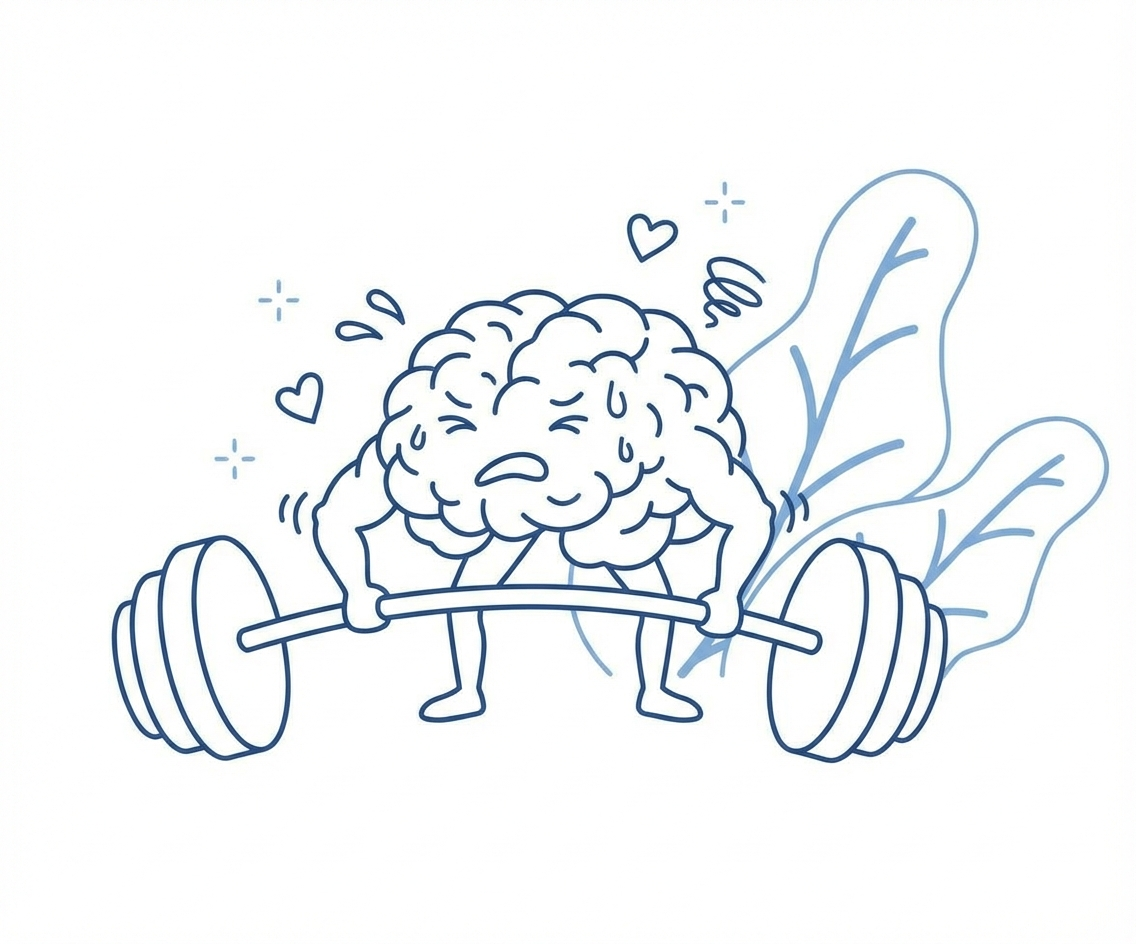
Scientific reality dictates that without iteration and active engagement, neural pathways for new skills simply do not form. This creates a “competence gap” where individuals are certified on paper but paralyzed in practice. UBT seeks to close this gap by moving away from passive consumption toward iterative learning—a system where knowledge is reinforced until it becomes second nature.
Competence in High-Risk Environments
There are sectors where the failure to maintain a high baseline of training is catastrophic.
- Customer-Facing Roles: A lapse in knowledge results in a breakdown of trust and permanent reputational damage.
- High-Risk Operations: In technical or physical environments, a lack of retained knowledge leads to injury, waste, or systemic failure.
In these scenarios, the “bare minimum” isn’t just knowing where the manual is; it’s having the information so deeply embedded that execution is flawless under pressure. UBT establishes a barrier against ignorance, ensuring that anyone stepping into a role—whether in a hospital, a tech firm, or a retail floor—possesses the core competencies required to function safely and effectively.
Scalability and the Chaos of Growth
For those managing growing teams, chaos is the natural enemy of excellence. When a company or a sector scales quickly, traditional training becomes obsolete the moment it is printed.
Universal Basic Training provides a single source of truth. By utilizing iterative methods that allow for real-time updates and reinforced retention, organizations can stabilize chaos. It allows for scaling without the dilution of quality. It moves the manager’s role from “policing” ignorance to “coaching” mastery, because the baseline of knowledge is already guaranteed.
A New Social Contract
We are entering an era where the social contract must be rewritten. To participate in the digital economy, every individual needs an “Employability Safety Net.”
This is not a charitable concept; it is essential infrastructure. Just as roads allow for the physical movement of goods, UBT allows for the movement of talent. It reduces the risk for the employer, who can trust in a baseline of capability, and it reduces the anxiety of the individual, who knows they have a systematic way to stay relevant.
Questions for the Modern Leader
As we transition into a world where UBT becomes the standard, consider these questions:
- Is your team’s current “training